Key Takeaways
Water-cooled resistors are revolutionizing the performance and efficiency of electric locomotives, offering numerous advantages not found in traditional resistor systems. As the demand for high-efficiency electrical systems grows, understanding these components becomes paramount for engineers and designers. A water-cooled resistor can effectively dissipate heat generated during operation, which not only enhances reliability but also prolongs the lifespan of electrical systems.
These resistors are particularly beneficial in high-load scenarios common in locomotive applications. Their water-cooling mechanisms allow for sustained performance under pressure, reducing the likelihood of overheating—a common challenge faced with conventional resistors. The effectiveness of this technology can be seen in the comparative analysis of leading models currently available on the market.
For example, consider this table highlighting the critical specifications of high-performing water-cooled resistors:
| Resistor Type | Maximum Load Capacity | Cooling Method | Typical Application |
|---|---|---|---|
| Water-Cooled Resistor | Up to 500 kW | Liquid cooling | Electric drive systems in locomotives |
| Traditional Resistor | Up to 300 kW | Air cooling | General electrical applications |
“Investing in advanced cooling technologies is not just a trend; it’s a necessity for modern engineering,” reflects an industry expert on thermal management solutions.
With their superior design and operational capabilities, water-cooled resistors are an essential component that can drastically improve efficiency while addressing heating concerns, thereby cementing their role as a staple in locomotive electric drive systems. The focus on effective thermal management underscores the transformation within this domain, making continuous research and application validation vital for future advancements.
Introduction to Liquid-Cooled Resistors: Understanding the Basics
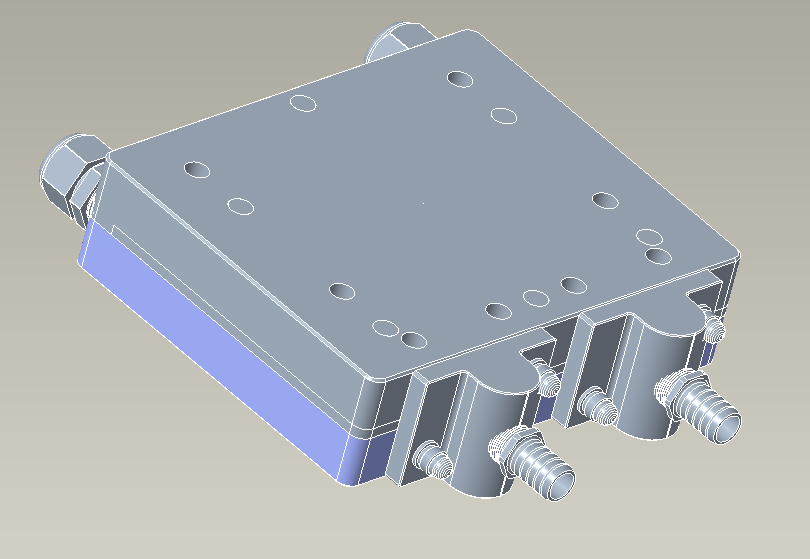
Liquid-cooled resistors represent a significant evolution in thermal management technology, particularly within high-power electrical applications. These specialized components utilize liquid cooling systems—most commonly featuring water—as a medium to dissipate heat generated during operation, thereby enhancing performance and reliability. Unlike traditional air-cooled resistors, which are limited by their ability to transfer heat efficiently, water-cooled resistors provide a vastly superior thermal conductance. This capability is essential in environments where high currents and voltages are present, particularly in electric locomotives where the demands on the cooling system are relentless. As power levels escalate in modern electrical systems, the role of the water-cooled resistor becomes increasingly critical; they ensure that operational temperatures remain within safe limits, thereby maximizing component lifespan and performance efficacy. This advancement has implications not only for energy efficiency but also for reducing the risk of overheating-related failures. Consequently, understanding the underlying principles and applications of water-cooled resistors is imperative for engineers striving to optimize electric drive systems, paving the way for innovative applications across various sectors reliant on substantial electrical power consumption.
Water-Cooled Resistor: Key Applications in Inverters for Locomotives
The adoption of water-cooled resistors in inverter systems for locomotives represents a significant advancement in the domain of electric drive technologies. As locomotives continue to evolve towards more energy-efficient and high-performance configurations, the role of thermal management becomes increasingly paramount. Water-cooled resistors offer enhanced dissipation of heat generated during the conversion process, thereby ensuring optimal operation under heavy loads and prolonged use. These resistors enable improved temperature control, which translates into greater reliability and extended service life for the inverter systems. Their implementation minimizes thermal stress on electronic components, thereby preserving performance while reducing the likelihood of failures due to overheating. Furthermore, water-cooled resistors are seen as an attractive alternative to their air-cooled counterparts, particularly in high-power applications where standard cooling methods may falter. By providing a consistent cooling medium, these resistors allow for more compact inverter designs without compromising performance or safety standards. As such, the water-cooled resistor not only enhances efficiency but also fosters innovation in locomotive systems by integrating seamlessly with advancements in inverter technology.
Design Considerations for Electric Drive Systems in Locomotives
In the realm of electric drive systems for locomotives, the choice of components significantly influences overall performance and efficiency. Among these components, the utilization of a Water-Cooled Resistor plays a crucial role in thermal management and energy dissipation. Unlike traditional resistors that often struggle with overheating during prolonged operation, water-cooled resistors effectively dissipate excess heat through their innovative liquid cooling mechanisms. This allows for a more stable operational environment, minimizing the risk of component failure and enhancing the reliability of the electric drive systems. Furthermore, when analyzing space constraints within locomotive designs, water-cooled resistors offer a more compact solution since they can operate at higher power levels without necessitating expanded physical space due to heat management concerns. By optimizing these resistors in conjunction with advanced cooling strategies, engineers can significantly improve power handling capabilities and safeguard system integrity under demanding operational conditions. Thus, integrating water-cooled resistors into locomotive electric drive systems not only addresses critical design challenges but also sets a new standard for performance efficiency and sustainability in modern rail applications.
Advantages of Water-Cooled Resistors Over Traditional Resistors
Water-cooled resistors, often referred to as ‘Water-Cooled Resistors’, present several significant advantages over traditional resistors, particularly in applications that demand high power handling and thermal management. One of the foremost benefits is the enhanced thermal efficiency; these resistors utilize liquid cooling to dissipate heat more effectively than air cooling methods employed by standard resistors. The ability to maintain lower operational temperatures directly translates to improved performance and longevity. Traditional resistors may experience thermal saturation, leading to power derating or even failure under high-load conditions, whereas water-cooled options facilitate continuous operation at elevated loads without compromising reliability.
Moreover, the compact design often associated with water-cooled resistor systems allows for a more efficient use of space in intricate designs like electric drive systems for locomotives. This characteristic is particularly advantageous in environments where maximizing square footage is critical, allowing for added components or reduced overall weight without forfeiting cooling effectiveness. Additionally, water-cooled resistors can be specifically engineered for particular applications, providing a level of customization that standard air-cooled options may not readily accommodate.
Another significant consideration is the potential economic savings associated with reduced maintenance and longer life cycles. By operating consistently within optimal temperature ranges, these resistors not only minimize wear and tear but also contribute to lower operational costs over time by minimizing the frequency of replacements and repairs. Overall, when assessing the performance dynamics within high-demand applications such as those found in locomotives, the transition from traditional resistor systems to ‘Water-Cooled Resistors’ emerges as an advantageous shift that can enhance both operational efficiency and system reliability.
Comparative Analysis: Top Liquid-Cooled Resistors in the Market
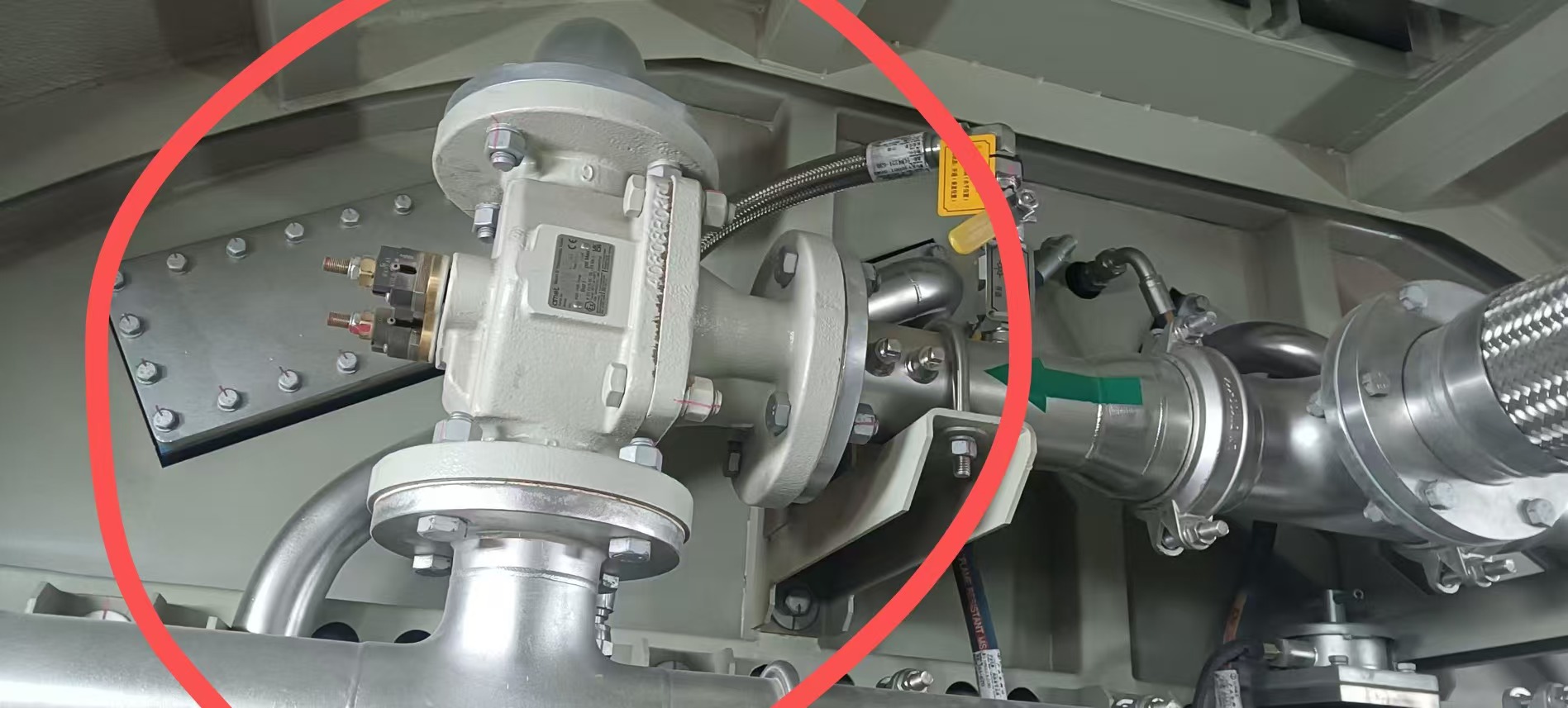
In recent years, the demand for efficient thermal management solutions in power electronics has led to the increased adoption of liquid-cooled resistors, particularly in high-performance applications like locomotive systems. Among these, the ‘Water-Cooled Resistor’ stands out due to its superior heat dissipation capabilities compared to traditional air-cooled resistors. This enhanced thermal control not only improves reliability but also extends the operational lifespan of electronic components. Various manufacturers have developed a range of water-cooled resistor products with varying specifications tailored to meet diverse application needs. For instance, certain designs focus on achieving maximum power density while maintaining compact sizes, making them suitable for environments where space is a constraint. Others may prioritize ease of installation and maintenance, catering to larger systems that require periodic servicing. Evaluating these products on parameters such as thermal conductivity, resistance values under different loads, and ease of integration into existing systems is essential for industries aiming to enhance efficiency while adhering to safety standards. Manufacturers that provide robust data sheets and detailed performance analyses enable engineers to make informed decisions when selecting the right ‘Water-Cooled Resistor’ for their specific operational requirements.
Case Study: Implementation of Water-Cooled Resistors in Locomotive Systems
The integration of water-cooled resistors in locomotive systems presents a significant advancement in thermal management and operational efficiency. This implementation is particularly crucial in high-power electric drives, where the demand for robust cooling solutions is paramount. Traditional resistive technologies often struggle with heat dissipation, leading to performance degradation and increased maintenance costs. Conversely, water-cooled resistors utilize the superior thermal conductivity of liquid coolant to remove heat more effectively, enabling them to operate at higher power levels without succumbing to thermal overload. In various case studies across modern locomotive systems, the transition to water-cooled resistors has not only enhanced reliability but also extended the lifespan of crucial electrical components. For instance, a recent project showcased how retrofitting locomotives with these advanced resistors led to a marked improvement in energy efficiency, resulting in lower operational costs and reduced downtime for repairs. Furthermore, feedback from engineers highlights that this transition facilitates streamlined design processes since water-cooled resistors can be compactly integrated into existing systems without substantial modifications. Overall, this case study underscores the transformative potential of adopting water-cooled resistor technology within the railway industry, emphasizing both immediate operational benefits and long-term sustainability goals.
Conclusion
In the realm of modern engineering, particularly within locomotive systems, the integration of water-cooled resistors has emerged as a pivotal advancement. These components, aptly termed ‘Water-Cooled Resistors,’ serve not merely as functional elements within the electric drive systems but as integral parts that enhance efficiency and durability. Unlike traditional resistor systems that can suffer from overheating and thermal stress, water-cooled variants utilize a fluid medium to dissipate heat effectively, ensuring optimal performance even under intense operational demands. The advantages they present in terms of size reduction, thermal management, and reliability are compelling for applications where peak performance is non-negotiable. In scenarios such as high-load trains where consistent power delivery is crucial, these resistors have proven indispensable. Moreover, their design flexibility allows for customization suited to specific locomotive requirements, further solidifying their role in the advancement of electric drive technology. As this trend continues to gain momentum amidst evolving industry standards, it becomes increasingly evident that the adoption of ‘Water-Cooled Resistors’ will likely redefine operational paradigms in locomotive engineering and beyond.
FAQs
What is a Water-Cooled Resistor? A Water-Cooled Resistor is a type of resistor that utilizes water as a cooling medium to dissipate heat generated during electrical resistance, ensuring enhanced performance and longevity.
How does a Water-Cooled Resistor work? This resistor works by circulating water around the resistor body, absorbing heat and transferring it away, which helps maintain optimal operating temperatures even under high loads.
What are the main benefits of using a Water-Cooled Resistor in locomotives? The primary benefits include improved thermal management, increased power handling capabilities, reduced risk of thermal overload, and enhanced overall efficiency compared to traditional air-cooled resistors.
In what applications are Water-Cooled Resistors typically used? They are commonly used in high-power applications such as inverters for locomotives, traction systems, and other electric drive systems where efficient heat dissipation is crucial.
What maintenance does a Water-Cooled Resistor require? Maintenance typically involves regular inspections for leaks in the cooling system, monitoring water quality to prevent corrosion, and ensuring that the cooling circulation is functioning properly.
Are there any limitations to using Water-Cooled Resistors? While effective in managing heat, Water-Cooled Resistors may require more complex installations compared to traditional resistors and need to be integrated into systems with proper water supply management.
Can Water-Cooled Resistors be used in other industries outside locomotives? Yes, they can be found in various applications such as industrial power systems, renewable energy setups like wind turbines and solar inverters, as well as high-performance motor control systems.