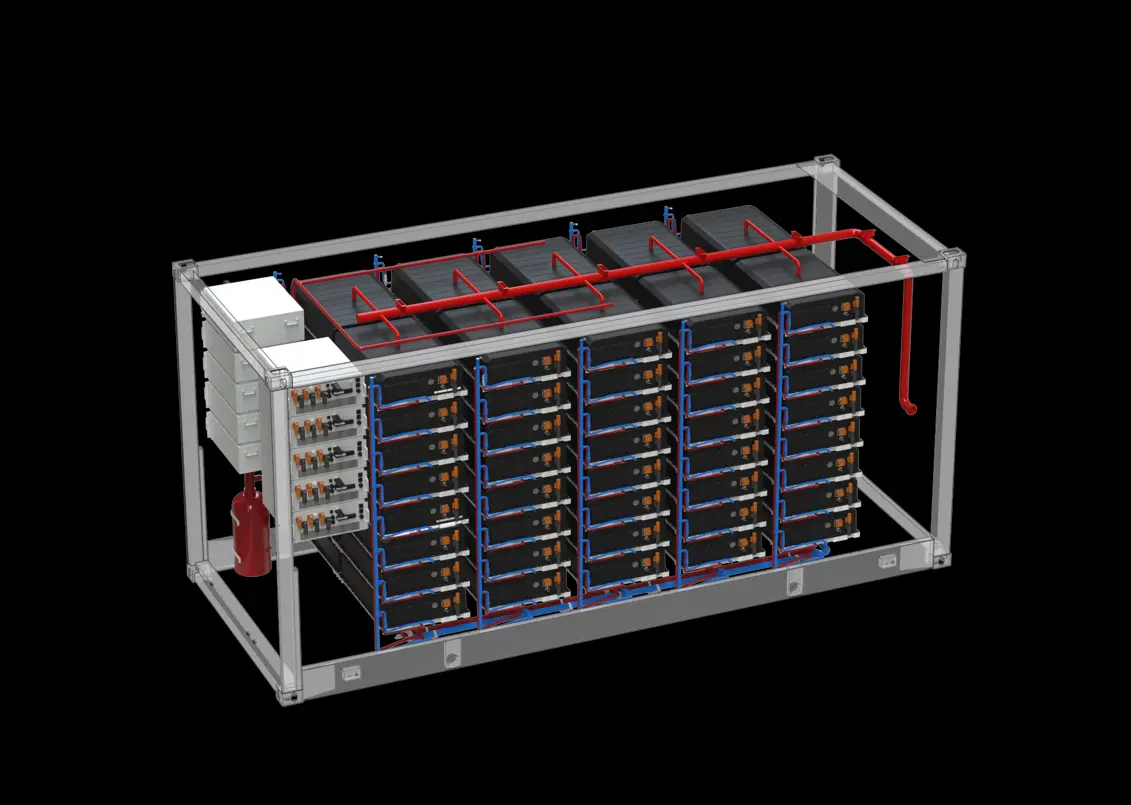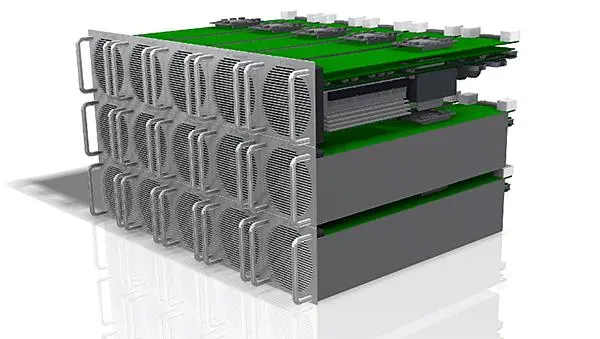
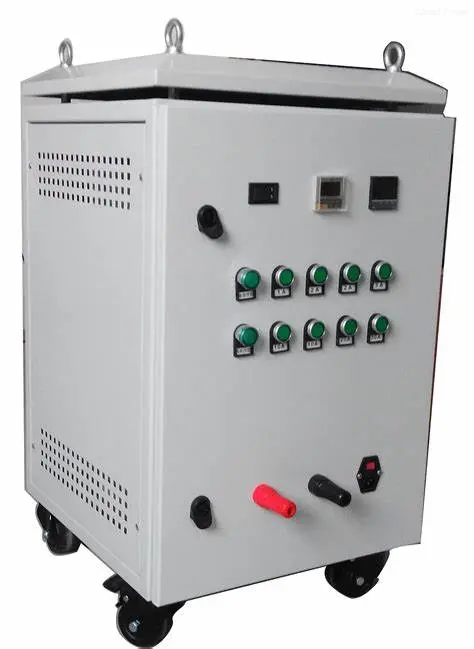
 Water-Cooled Virtual Load Bank
In today’s rapidly evolving digital landscape, data centers play a pivotal role in ensuring seamless operations for businesses across industries. However, the reliability and efficiency of uninterruptible power supplies (UPS) are critical to maintaining uninterrupted service. To ensure the performance and resilience of these systems, advanced testing solutions like the 500KW water-cooled virtual load bank, equipped with compact 30KW liquid-cooled resistors, have become indispensable tools. This case study explores how such innovative technology is revolutionizing UPS testing in data centers.
The Challenge: Ensuring Reliable Power Backup Systems
Modern data centers demand high levels of uptime and energy efficiency. A single failure in the UPS system can lead to costly downtime, loss of sensitive data, and reputational damage. Therefore, rigorous testing is essential before deploying new UPS systems or performing routine maintenance on existing ones. Traditional air-cooled load banks often fall short due to their large footprint, lower power density, and limited cooling capacity. These limitations necessitate an alternative solution that offers precision, safety, and scalability.
Enter the 500KW water-cooled virtual load bank, which addresses these challenges by leveraging advanced liquid-cooled resistor technology. This system not only provides exceptional thermal management but also delivers higher power density in a compact form factor—key attributes for modern data center environments where space is at a premium.
The Solution: Compact and Efficient Testing with Liquid Cooling
The 500KW water-cooled virtual load bank consists of multiple 30KW liquid-cooled resistors arranged in a modular configuration. Each resistor module is designed to dissipate heat efficiently through a closed-loop liquid cooling system, eliminating the need for bulky fans or extensive ventilation infrastructure. This design minimizes noise pollution while maximizing operational safety—an important consideration in densely populated server rooms.
Key Features: 1. High Power Density: The compact size of the 30KW liquid-cooled resistors allows the entire 500KW load bank to occupy minimal floor space compared to traditional air-cooled alternatives. 2. Enhanced Safety: By using water as the primary coolant, the risk of overheating or fire hazards is significantly reduced. Additionally, the sealed design prevents dust ingress, extending the lifespan of the equipment. 3. Scalability: The modular nature of the system enables users to scale up or down depending on the specific testing requirements, making it adaptable for various data center configurations. 4. Energy Efficiency: The liquid cooling mechanism reduces energy consumption associated with fan operation, contributing to overall sustainability goals.
Real-World Application: Testing a Tier III Data Center’s UPS System
Recently, a Tier III data center located in Silicon Valley utilized a 500KW water-cooled virtual load bank to test its newly installed UPS system. The facility houses over 10,000 servers and supports mission-critical applications for global clients. Given the high stakes involved, the IT team required a robust and reliable method to validate the UPS under full load conditions without compromising operational integrity.
Test Setup: Load Profile: The UPS was subjected to incremental loading from 100KW to 500KW in steps of 100KW. Duration: Each load level was sustained for 30 minutes to monitor stability and temperature fluctuations. Cooling Infrastructure: The water-cooled virtual load bank interfaced seamlessly with the facility’s existing chilled water loop, ensuring efficient heat dissipation without additional strain on HVAC systems.
Results: Performance Validation: The UPS maintained stable output voltage within ±1% tolerance across all load levels, meeting industry standards for reliability. Temperature Control: Thanks to the liquid-cooled resistor technology, the ambient temperature in the test area remained consistent, preventing any adverse effects on nearby equipment. Space Optimization: The compact footprint of the load bank allowed the team to conduct tests within the same room as the UPS, saving time and resources typically spent relocating equipment.
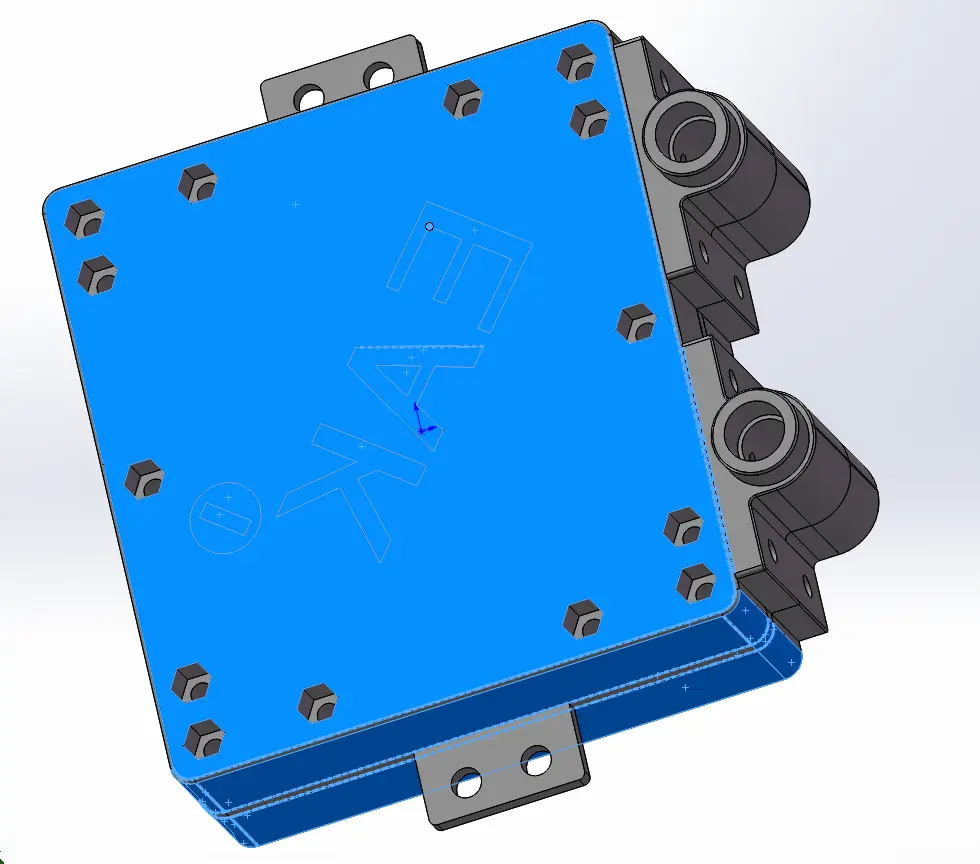 liquid-cooled resistors
Why Choose a Water-Cooled Virtual Load Bank?
The adoption of water-cooled virtual load banks represents a paradigm shift in how data centers approach UPS testing. Here’s why they are gaining traction:
1. Improved Thermal Management: Liquid cooling outperforms air cooling in terms of heat dissipation efficiency, enabling continuous operation even at peak loads. 2. Reduced Noise Levels: Unlike air-cooled systems that rely on noisy fans, water-cooled solutions operate quietly, creating a more conducive work environment. 3. Cost Savings: By integrating with existing cooling infrastructure, facilities can avoid the capital expenditure associated with installing dedicated ventilation systems. 4. Future-Proof Design: As data centers continue to expand in scale and complexity, scalable solutions like the 500KW water-cooled virtual load bank ensure long-term viability.
Conclusion
The integration of liquid-cooled resistors into the 500KW water-cooled virtual load bank has set a new benchmark for UPS testing in data centers. Its ability to deliver high power density, superior safety, and environmental compatibility makes it an ideal choice for modern facilities striving for excellence in reliability and efficiency. Whether you’re commissioning a new UPS or conducting routine diagnostics, this cutting-edge solution ensures your data center remains resilient against power disruptions.
By embracing technologies like water-cooled virtual load banks, data centers can achieve optimal performance while aligning with sustainability initiatives—a win-win scenario for both operators and end-users.