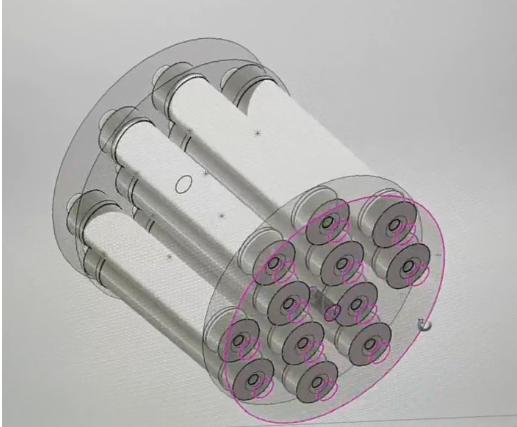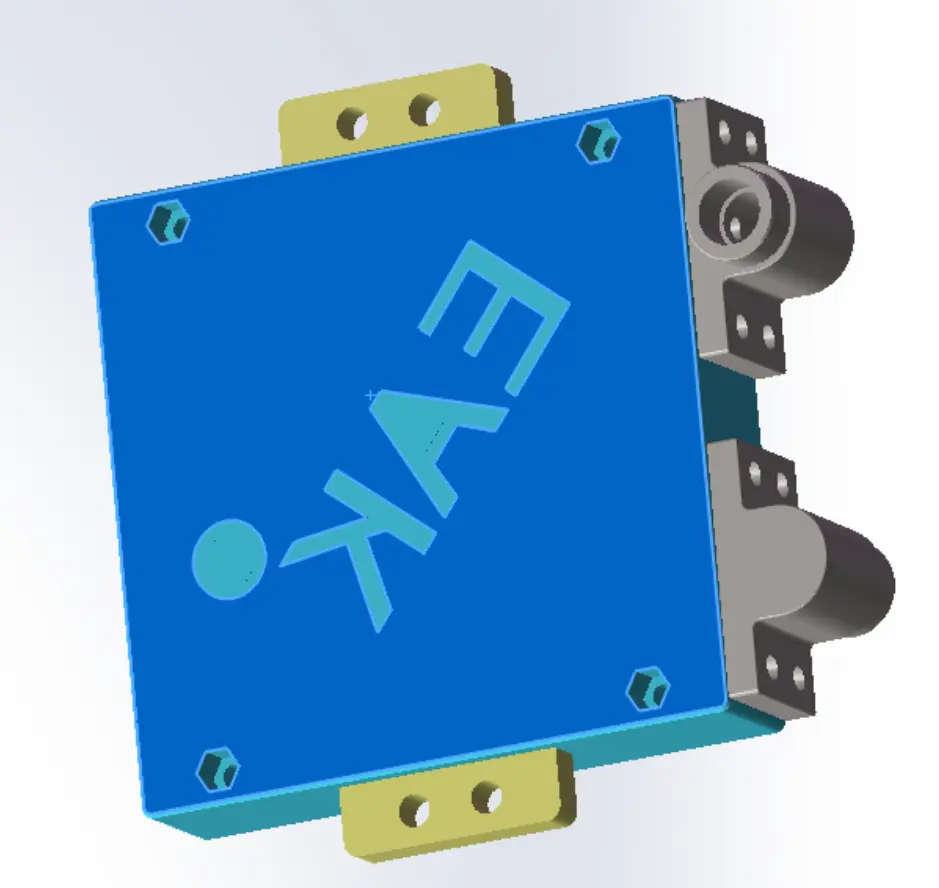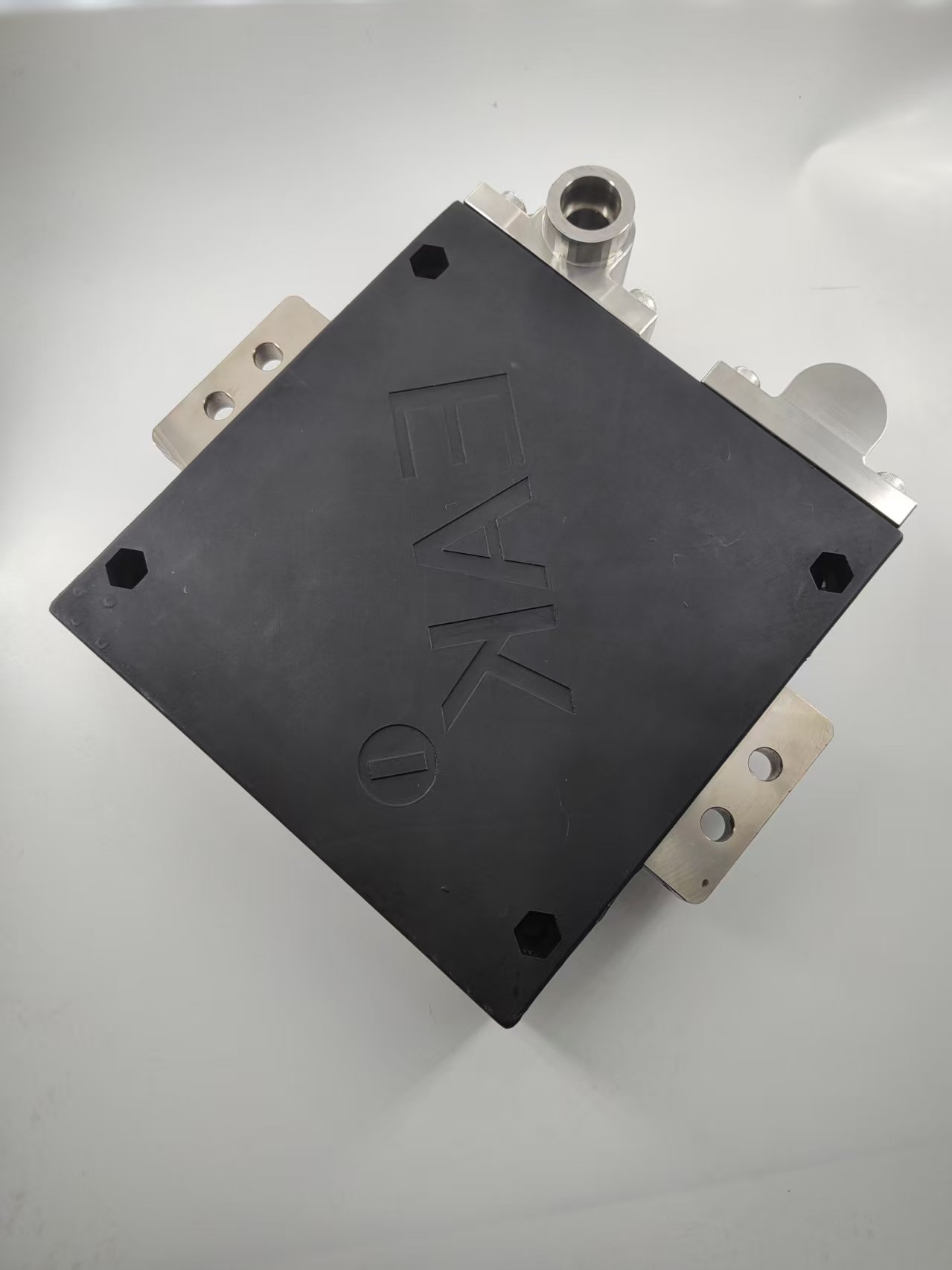
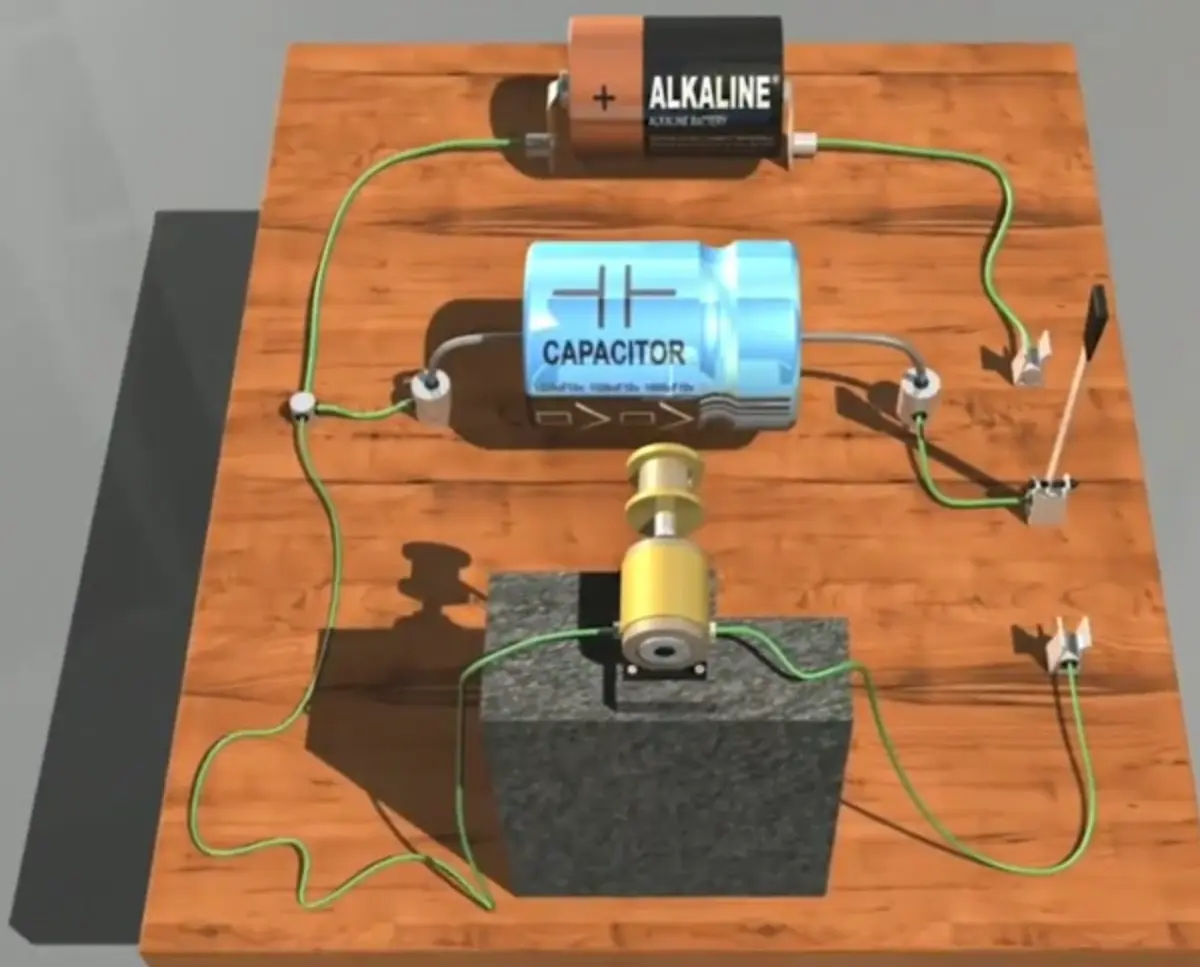

Supercapacitors have become a cornerstone in modern energy storage systems due to their ability to charge and discharge rapidly. This characteristic makes them ideal for applications such as electric vehicles, renewable energy systems, and industrial equipment where quick bursts of energy are required. However, the rapid charge and discharge cycles generate significant heat, necessitating efficient thermal management solutions. This is where water-cooled resistors, also known as charge and discharge resistors, come into play.
The Challenge of Heat Management in Supercapacitor Applications
During the energy recovery process, supercapacitors often release large amounts of energy in short periods. This energy needs to be dissipated safely to prevent overheating, which can damage components or reduce system efficiency. Traditional air-cooled resistors may not suffice in high-power scenarios because they rely on ambient airflow, which can be inconsistent and insufficient for dissipating the immense heat generated during fast discharges.
In contrast, water-cooled resistors offer superior cooling performance by utilizing water’s high specific heat capacity. Water can absorb and transfer heat much more effectively than air, ensuring that the resistor remains within safe operating temperatures even under extreme conditions. This capability is crucial when dealing with the high energy densities associated with supercapacitor systems.
Advantages of Using Water-Cooled Resistors
1. Enhanced Thermal Performance: The primary advantage of water-cooled resistors is their ability to handle high power levels while maintaining stable temperatures. This ensures that the energy recovery process is both efficient and reliable, minimizing the risk of thermal runaway or component failure.
2. Compact Design: Compared to air-cooled alternatives, water-cooled resistors can be designed to occupy less space. Their compact form factor makes them ideal for integration into systems with limited room, such as electric vehicles or portable energy storage units.
3. Improved System Longevity: By keeping the resistor cool, water-cooled resistors reduce thermal stress on the components. This extends the lifespan of the resistor itself and other nearby parts, contributing to lower maintenance costs and increased system reliability.
4. Energy Efficiency: Efficient heat dissipation translates into better overall system efficiency. When a charge and discharge resistor operates at optimal temperatures, it minimizes energy losses and ensures that more of the recovered energy is available for reuse.
5. Versatility in High-Power Applications: Whether used in regenerative braking systems, renewable energy grids, or industrial machinery, water-cooled resistors provide the robustness needed for demanding environments. Their ability to manage heat effectively makes them indispensable in scenarios requiring frequent and rapid energy exchanges.
Why Choose Water-Cooled Resistors Over Other Solutions?
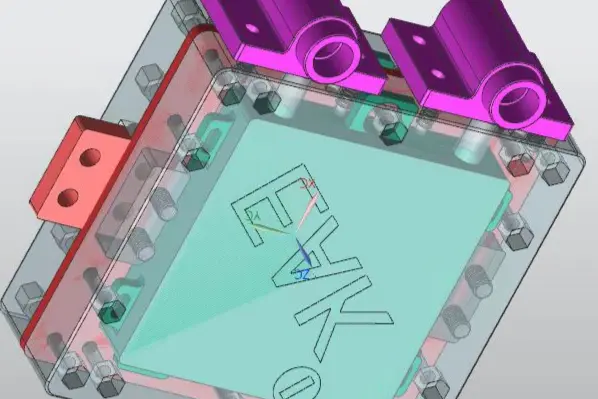 Charge and Discharge Resistors
While there are various methods for managing heat in electrical systems, water-cooled resistors stand out for several reasons. Unlike passive cooling solutions, which depend on environmental factors, water cooling provides active and consistent temperature control. Additionally, compared to oil-based cooling systems, water is environmentally friendly, cost-effective, and easier to maintain.
Moreover, the scalability of water-cooled systems allows them to be tailored to specific applications. For instance, in an electric vehicle equipped with supercapacitors, a water-cooled resistor can be integrated into the existing coolant loop, reducing the need for additional infrastructure.
Conclusion: The Future of Energy Recovery Systems
As the demand for efficient energy storage and recovery systems continues to grow, so does the need for advanced thermal management solutions like water-cooled resistors. These devices play a critical role in ensuring that supercapacitors can operate safely and effectively, even under the most demanding conditions. By choosing charge and discharge resistors with water-cooling capabilities, engineers can design systems that maximize energy efficiency, enhance reliability, and extend operational lifespans.
In summary, if you’re working with supercapacitors or any high-power energy recovery application, investing in water-cooled resistors is not just a smart choice—it’s a necessity. With their unmatched thermal performance and versatility, these resistors are paving the way for a more sustainable and efficient energy future.