
In today’s high-performance power systems — from EV fast chargers to 5G base stations and military radar — engineers are facing a silent crisis:
Standard metal film, wirewound, or cement resistors are melting, exploding, or failing under high-frequency switching and nanosecond-scale voltage spikes.
Why? Because they were designed for 1980s-era circuits — not for GaN/SiC MOSFETs switching at 1 MHz+, or 50 kA lightning-like surges lasting just 10 microseconds.
The result? ❌ System downtime ❌ Costly field failures ❌ Recalls and reputational damage
There’s a better way.
Enter Conductive Ceramic Silicon Carbide (SiC) Resistors
Unlike traditional resistors made of metal films or carbon composites, conductive ceramic SiC resistors are engineered from sintered silicon carbide — a ultra-hard, thermally conductive semiconductor ceramic — doped with nitrogen or aluminum to create stable, controllable electrical conductivity.
This isn’t just “another resistor.” It’s a fundamental shift in material science — delivering three revolutionary advantages:
| Operating Frequency | ≤ 100 kHz | Up to 1 GHz+ |
| Pulse Surge Tolerance | < 5 kA (10 μs) | > 50 kA (10 μs) |
| Thermal Conductivity | 10–20 W/m·K | 120–200 W/m·K |
| Max Operating Temp | 150°C | 1400°C (bulk material) |
| Equivalent Series Inductance (ESL) | 1–1000 µH | < 10 nH |
| Long-Term Stability | ±5% over 5 years | < ±1% drift after 10,000 hrs |
💡 No windings. No wires. No melting. Just pure ceramic resilience.
How It’s Made: The Science Behind the Performance
Our SiC resistors aren’t mass-produced — they’re precision-engineered using advanced ceramic processing:
6-Step Manufacturing Process:
- Ultra-Pure SiC Powder (>99.9%) + Precise N/Al doping for controlled resistivity (0.1 Ω to 10 kΩ)
- Isostatic Pressing (300 MPa) → >95% density, minimal porosity
- Controlled Atmosphere Sintering (2100°C for 3 hours in argon) → Forms continuous conductive grain boundaries
- Mo-Mn Electrode Co-Firing → Ohmic contact resistance < 0.1 mΩ, no delamination
- Laser Trimming → ±1% tolerance, batch-to-batch consistency
- Thermal Management Integration → Optional AlN ceramic substrate + copper heat spreader for direct PCB mounting
Every unit undergoes in-house qualification testing including:
- IEC 61000-4-5 Surge Immunity Testing (up to 50 kA, 8/20 μs waveform)
- Thermal Cycling (-55°C to +150°C, 500 cycles)
- High-Frequency Impedance Analysis (1 MHz – 1 GHz via VNA)
- Accelerated Aging (85°C / 85% RH, 1000 hours)
We don’t rely on certifications we haven’t earned — we prove performance through data.
Real-World Applications: Where Engineers Are Already Switching
| EV Charging | DC Fast Charger Input/Output Snubbers | Survives grid transients & IGBT turn-off spikes |
| Solar Inverters | MPPT Protection, DC Bus Clamping | Replaces failed metal oxide varistors (MOVs) |
| Industrial Drives | High-Frequency PWM Load Dump | Eliminates overheating in regenerative braking |
| Radar & EW Systems | High-Power RF Load Termination | Handles kW-level pulsed RF without thermal runaway |
| 5G Base Stations | PA Output Matching Networks | Stable impedance up to 3.5 GHz — no signal distortion |
| Particle Accelerators | Beam Dumps & Energy Absorbers | Withstands microsecond bursts of MW energy |
“After replacing our legacy cement resistors with SiC ceramics, our inverter failure rate dropped by 72%. We’ve gone from monthly repairs to zero field returns.” — Senior Power Engineer, German EV Component Manufacturer
Why This Isn’t Just “Better” — It’s Necessary
| Failure Mode Under Pulse | Melts, opens, arcs | Windings vaporize | Cracks, chars | No visible damage |
| Response Time | Slow (µs–ms) | Very slow (ms) | Slow | Instantaneous (<1 ns) |
| EMI Generation | High (due to ESL) | Extreme | Moderate | Near-zero |
| Repairability | Replace entire module | Often requires redesign | Frequent replacement | Designed for 10+ year life |
🚫 You can’t design reliability around components that fail under stress. ✅ You build it around components that thrive under stress.
Who We Are: Engineering-First SiC Resistor Manufacturer
Based in China with global distribution, we specialize in high-reliability SiC ceramic resistors for demanding industrial and defense-grade applications.
Our Offerings:
- Resistances: 0.1 Ω – 10 kΩ
- Power Ratings: 10W – 20 kW (scalable via parallel arrays)
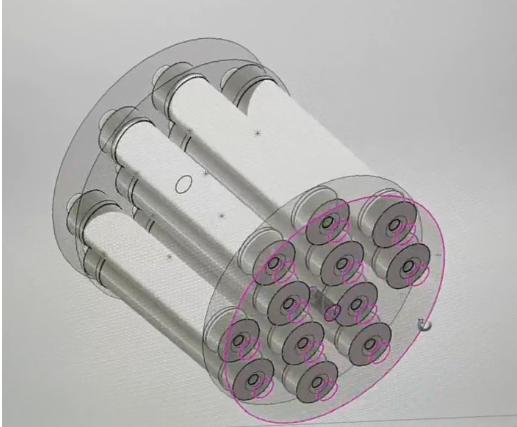
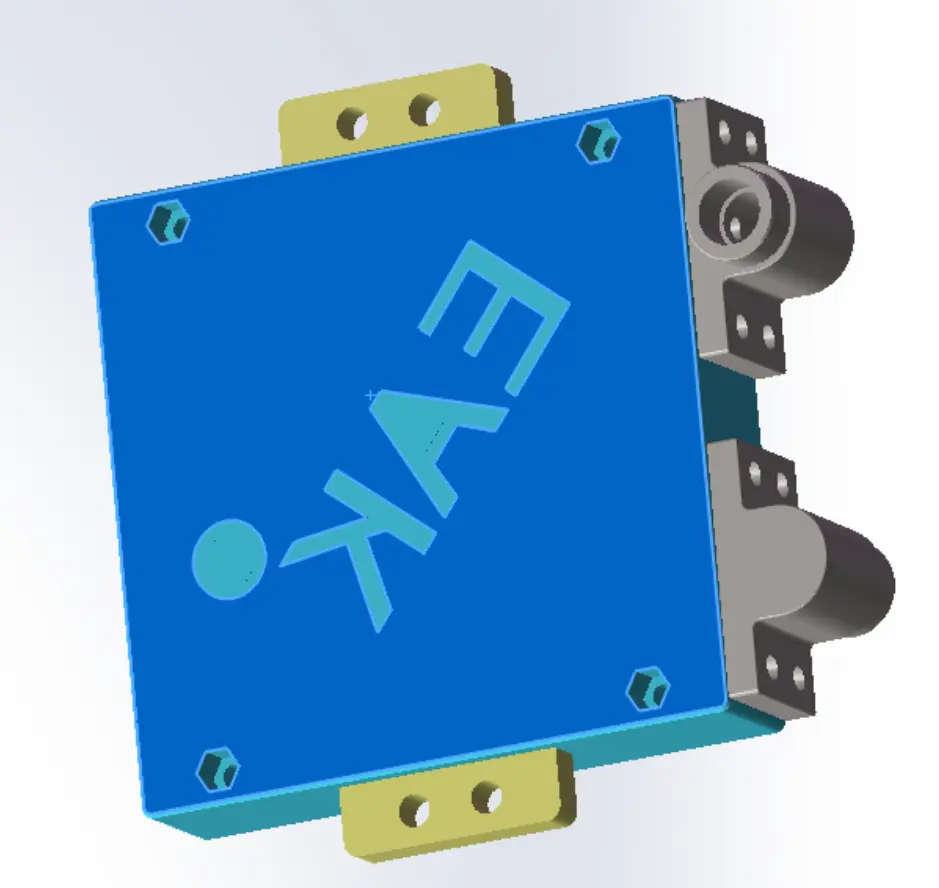
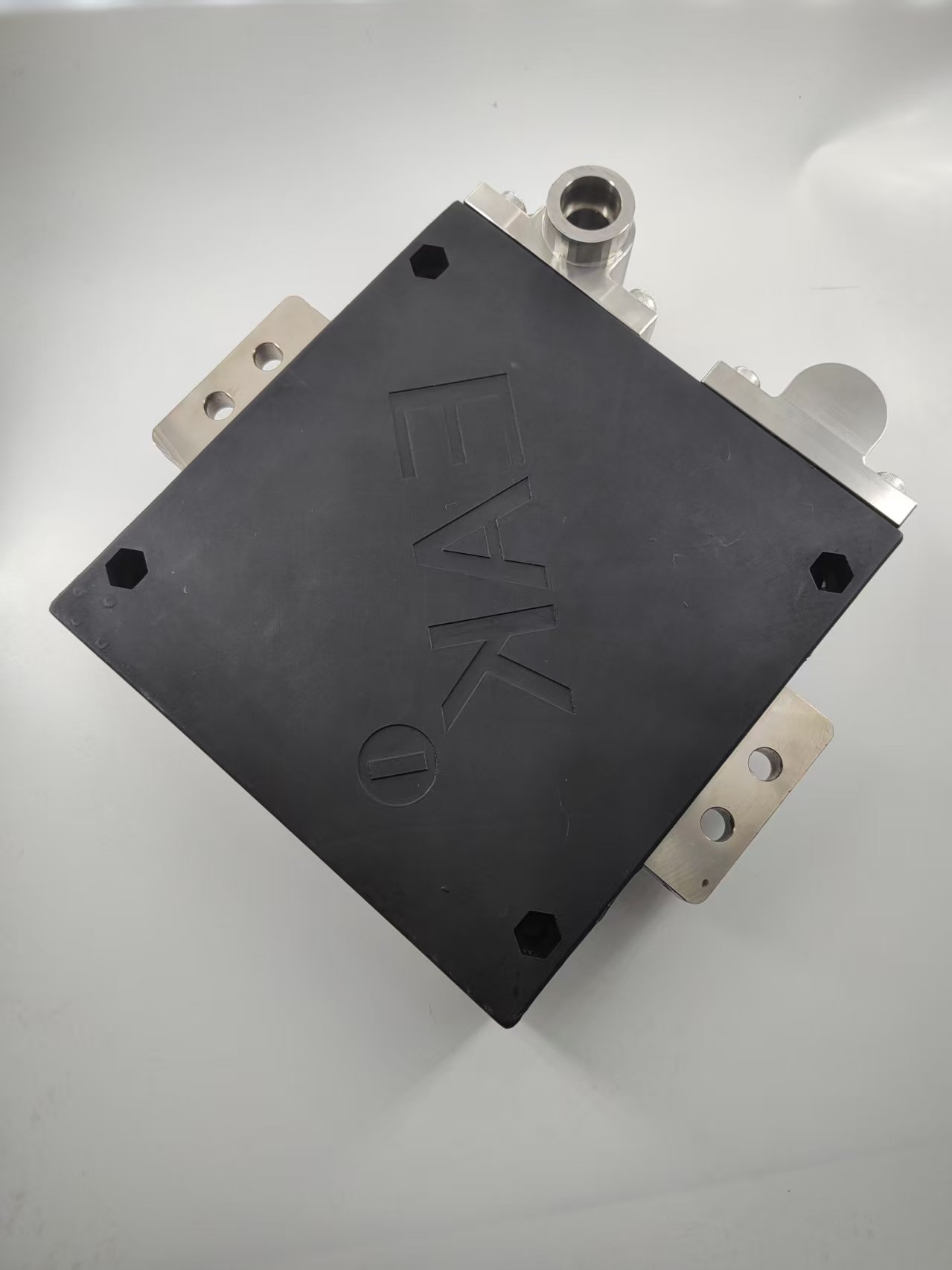
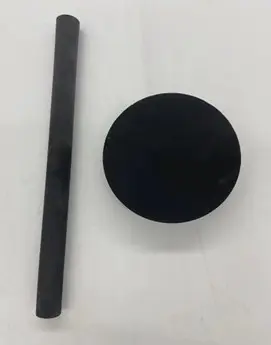
- Form Factors: Rod-style, SMD chip, modular heatsink-integrated units
- Customization: Tailored resistance curves, lead configurations, termination options
- Support: Full test reports (TDR, pulse waveforms, thermal sims), application engineering support