

As data center power densities escalate—with AI clusters and HPC workloads exceeding 30 kW per rack—traditional air-cooled testing methods fall short. The liquid-cooled dummy load has emerged as a critical tool for validating cooling and power infrastructure before real IT equipment is deployed.
In this post, we explore why liquid-cooled dummy loads are no longer optional but essential for safe, efficient, and reliable data center commissioning.
What Is a Liquid-Cooled Dummy Load?
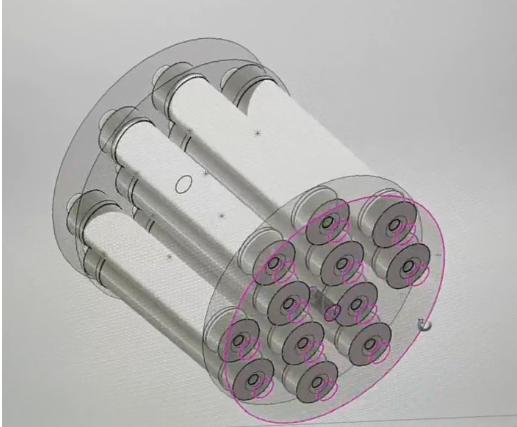
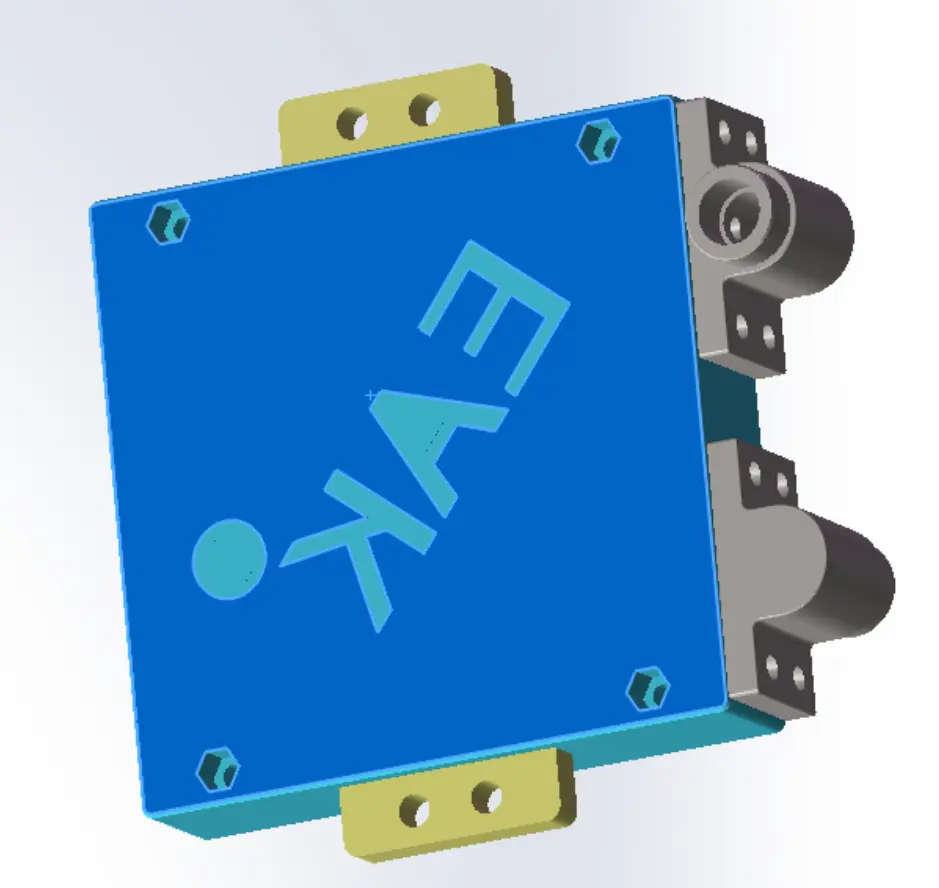
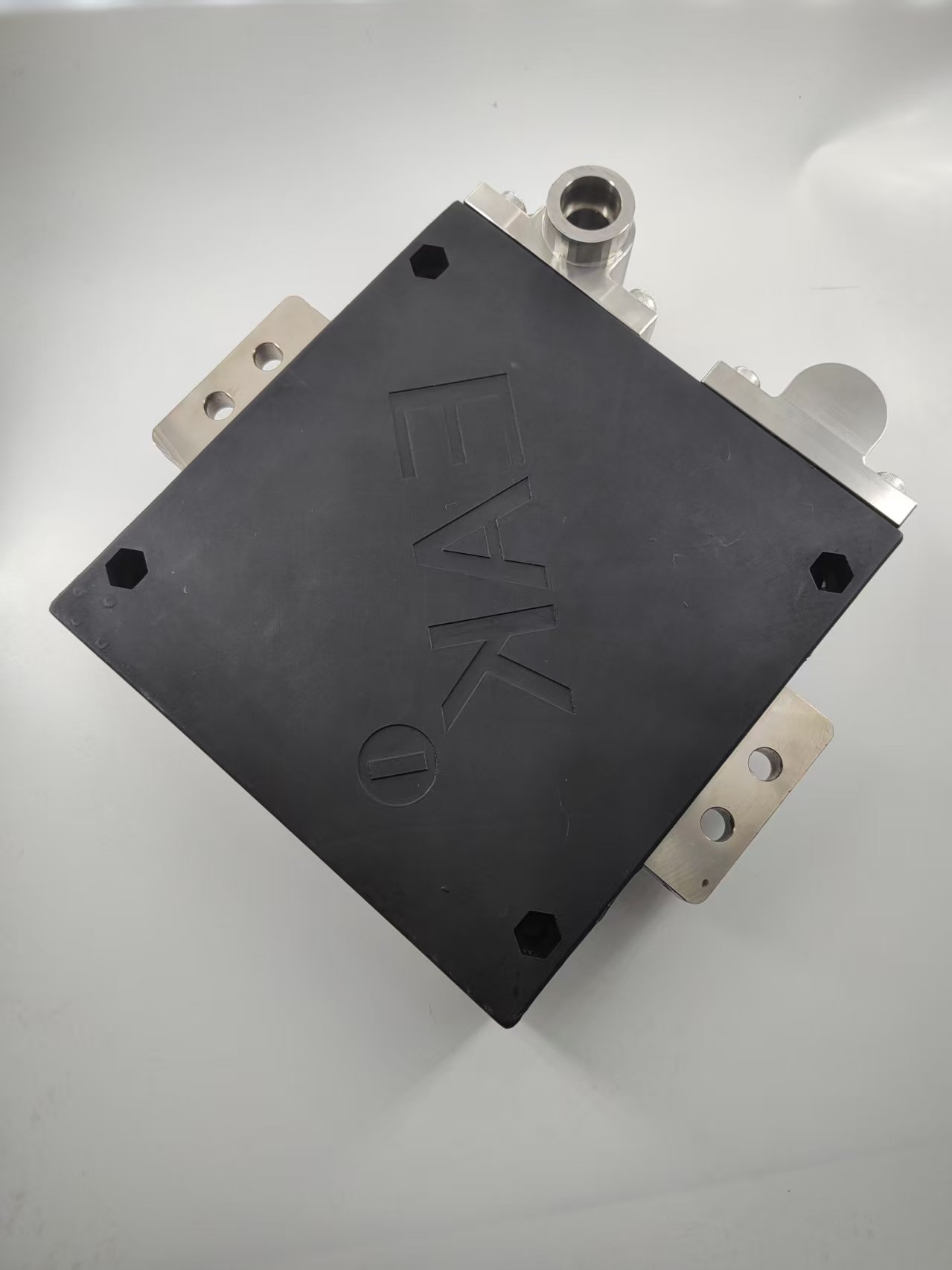
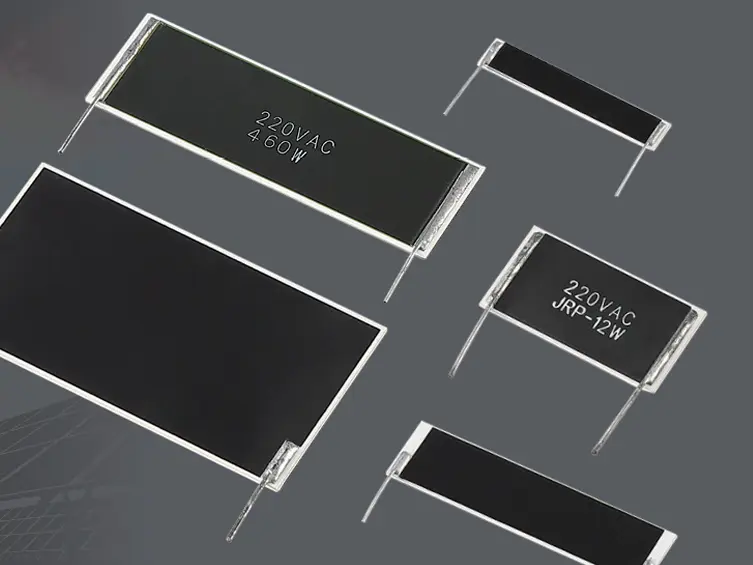
A liquid-cooled dummy load is an engineered test device that simulates the thermal and electrical behavior of live servers using electric heating elements cooled by dielectric or coolant-based liquid (e.g., PG25 glycol solution).
Unlike resistive air-cooled loads, these systems replicate the exact heat removal profile of liquid-cooled IT gear, making them indispensable for testing immersion or cold-plate liquid cooling architectures.
Key Benefits for Data Center Engineers
1. Accurate Thermal Validation
Liquid-cooled dummy loads allow engineers to validate the entire thermal chain—CDUs, manifolds, pumps, and heat exchangers—under realistic load conditions.
Example: A 300 kW unit like the YK-LB300 (with 225 kW liquid-cooled + 75 kW air-cooled capacity) can simulate mixed cooling environments found in hybrid data halls.
2. Precise Power Control & Safety
Modern liquid-cooled dummy loads offer ±500 W power accuracy and continuous, stepless power adjustment (e.g., 15–225 kW for liquid segment). This enables fine-grained stress testing of electrical distribution and thermal response without risking live hardware.
3. Infrastructure Risk Mitigation
By running full-load tests during commissioning, teams can uncover issues like flow imbalances, insufficient coolant temperature control, or electrical phase loading errors—before critical servers are installed. This reduces downtime risk and accelerates go-live timelines.
4. Support for High-Density Deployments
With rack power demands now reaching 100 kW+, air-cooled test loads simply cannot replicate thermal density or spatial heat distribution. Liquid-cooled dummy loads provide realistic heat flux simulation, ensuring that liquid cooling systems perform as modeled.
Technical Highlights to Look For
When selecting a liquid-cooled dummy load, consider these essential features:
- Modular Power Design: Support for combinations of 10 kW, 15 kW, 20 kW, or 40 kW modules.
- Integrated Sensors: Real-time monitoring for inlet/outlet temperature, pressure, and flow rate.
- Automation: Automatic air venting and electric flow control valves.
- Industrial Durability: Leak-tested stainless steel (SUS304) fluid paths with a 1 MPa pressure rating.
- Reliability: IP21 protection and F-class insulation.
- User Interface: Touchscreen for local control and real-time data visualization.
Real-World Use Case
During a recent 50 MW data center build in Southeast Asia, engineers used a 300 kW liquid-cooled dummy load to validate a dual-circuit chilled water + liquid-cooled rack system.
- The Issue: The test revealed a 12% flow imbalance across manifold branches.
- The Result: Corrected before IT deployment, saving an estimated $2.3M in potential rework and delay costs.
Conclusion
As liquid cooling becomes mainstream in AI and cloud infrastructure, liquid-cooled dummy loads are the gold standard for pre-commissioning validation. They bridge the gap between theoretical design and operational reality, ensuring that every watt of cooling and power is ready for mission-critical workloads.
For data center engineers, investing in high-fidelity liquid-cooled dummy loads isn’t just smart—it’s essential for building resilient, future-proof facilities.