
High-Current, High-Energy Pulse Resistors Demand More Than Just Low Resistance
In modern power electronics—from regenerative braking in electric trains to pulse discharge in renewable energy systems—the demand for robust, reliable, and thermally efficient resistors has never been higher. Traditional metal alloy or wirewound resistors often fall short under extreme conditions: they overheat, degrade, or fail catastrophically during high-energy pulses.
Enter doped silicon carbide (SiC) ceramic resistors—a game-changing solution engineered for the toughest high-power challenges.
What Makes Doped SiC Perfect for Pulse Resistors?
Silicon carbide is naturally a wide-bandgap semiconductor with excellent thermal and mechanical properties. But when strategically doped—typically with nitrogen (N)—it becomes a highly conductive, stable, and tunable resistive material ideal for demanding applications.
Here’s why doped SiC stands out:
✅ 1. Precisely Tunable Resistivity
By controlling nitrogen doping levels, manufacturers can tailor SiC’s bulk resistivity from 0.001 Ω·cm to over 100 Ω·cm. This allows engineers to design resistors with exact target values—such as 50 mΩ for high-current braking—without complex geometries or parallel elements.
✅ 2. Exceptional Thermal Conductivity
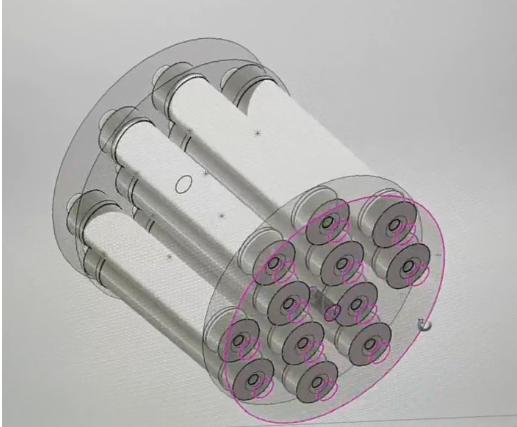
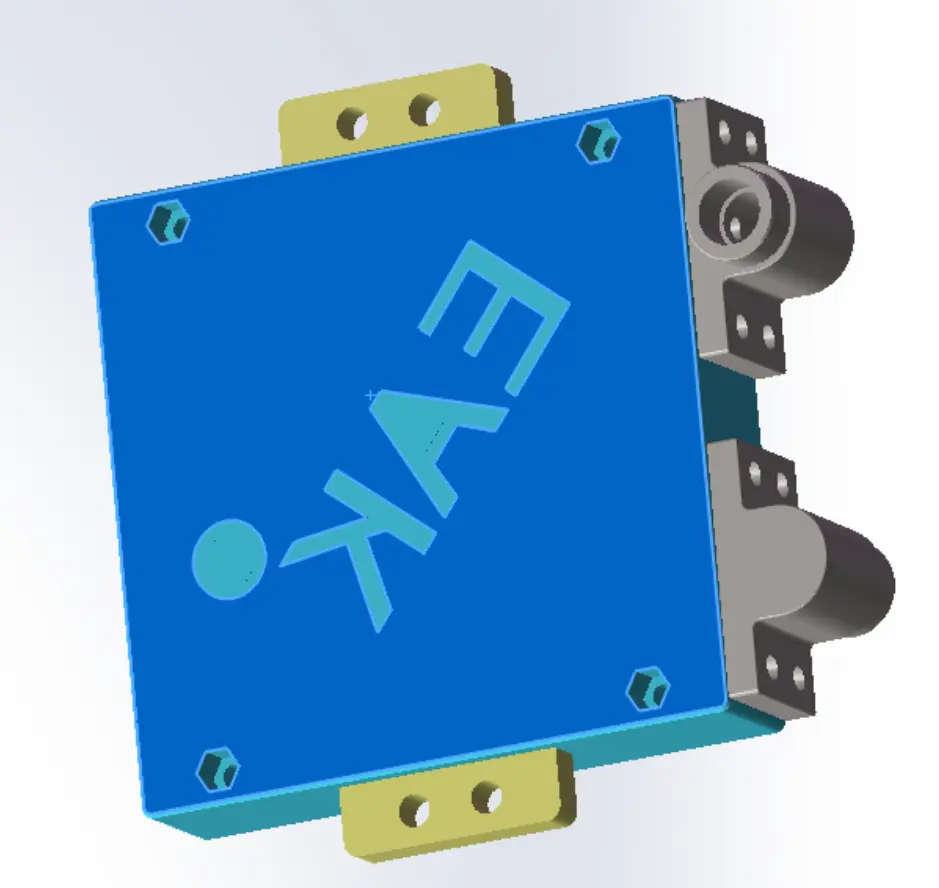
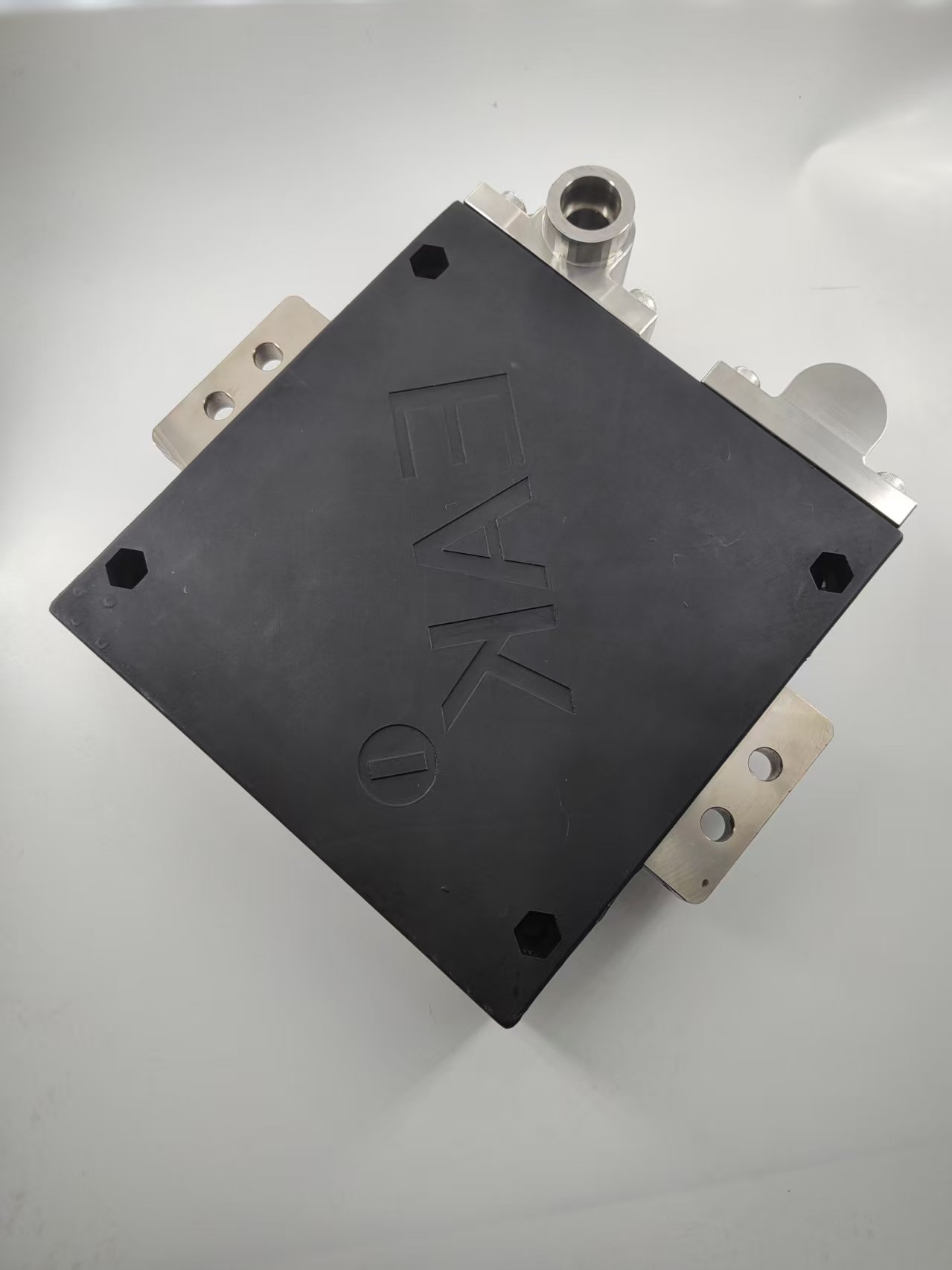
SiC boasts thermal conductivity of 120–490 W/m·K, far surpassing alumina (≈30 W/m·K) and even some metals. This means heat generated during a high-energy pulse is rapidly dissipated, minimizing hot spots and enabling higher power density—critical for compact liquid-cooled resistor modules.
✅ 3. Unmatched High-Temperature Stability
Doped SiC resistors operate reliably at temperatures exceeding 1000°C in inert atmospheres and remain stable up to 600–800°C in air (thanks to a protective SiO₂ surface layer). Unlike metal alloys that oxidize or creep, SiC maintains structural and electrical integrity under thermal stress.
✅ 4. High Mechanical Strength & Chemical Inertness
With a Mohs hardness of 9.5, SiC is extremely wear-resistant and impervious to most acids, alkalis, and corrosive environments. This makes it ideal for harsh industrial, marine, or aerospace applications where reliability is non-negotiable.
✅ 5. Inherently Non-Inductive
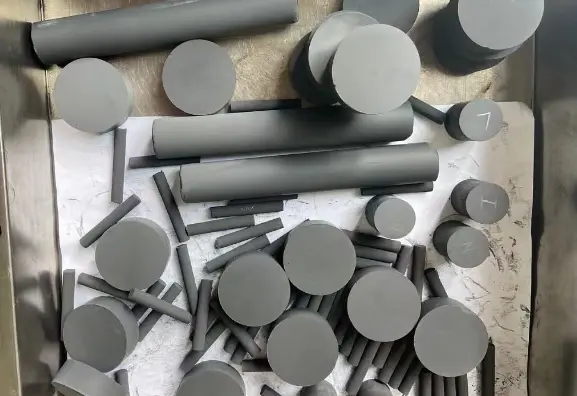
As a monolithic ceramic block, doped SiC has negligible parasitic inductance—a critical advantage in pulse applications where fast rise times and clean waveforms are essential. No need for complex bifilar winding or compensation networks.
Real-World Applications of SiC Pulse Resistors
- Rail & Transportation: Dynamic braking resistors for high-speed trains and trams
- Renewable Energy: Dump loads for wind/solar inverters during grid faults
- Industrial Drives: Braking and snubber resistors in large VFDs
- Pulsed Power Systems: Capacitor bank discharge, laser drivers, and EM launchers
- Test & Simulation: High-energy dummy loads for power converter validation
In all these cases, doped SiC delivers longer life, smaller footprint, and higher reliability than conventional alternatives.
Why Not Graphite or Metal Alloys?
- Graphite: Prone to oxidation above 450°C, high contact resistance, poor mechanical stability.
- Metal Alloys (e.g., NiCr, CuNi): Limited max temperature (~300–500°C), lower thermal conductivity, susceptible to thermal fatigue.
Doped SiC outperforms both in extreme environments—especially when integrated with liquid cooling for continuous high-power operation.
The Future Is Ceramic—and It’s Conductive
As power systems push toward higher efficiency, higher frequency, and greater energy density, the resistor must evolve. Nitrogen-doped silicon carbide isn’t just an alternative—it’s the material of choice for next-generation high-current, high-energy pulse resistors.