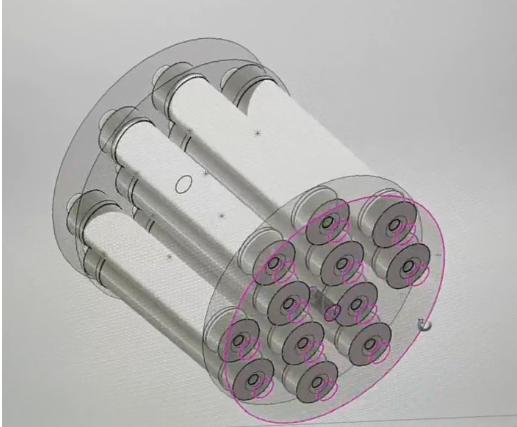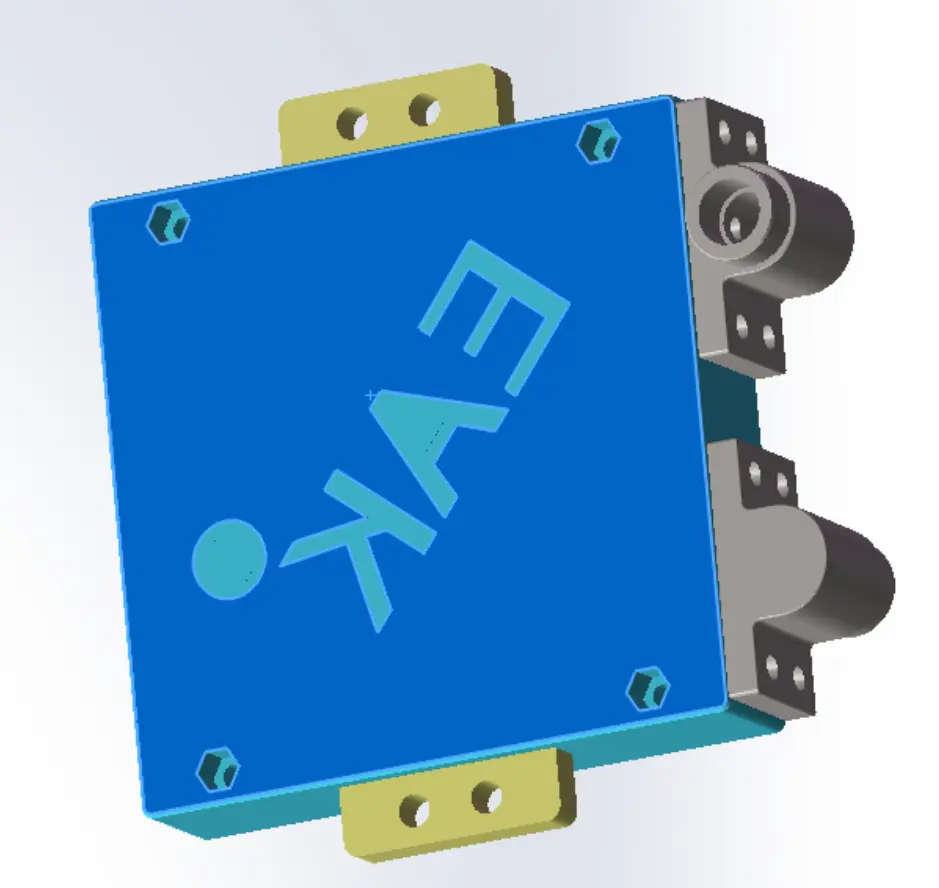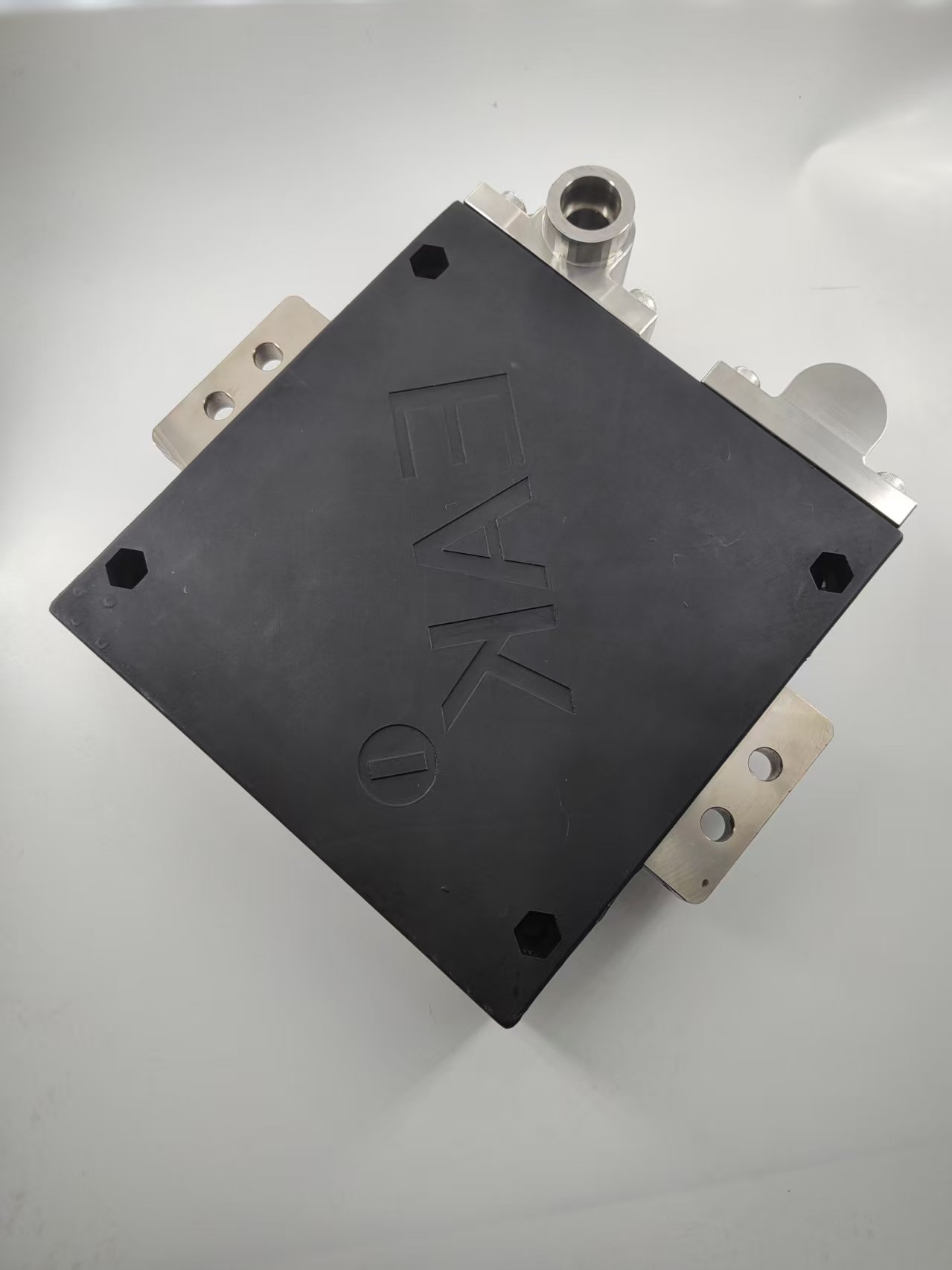

Water-cooled resistors are commonly used for testing lithium batteries due to their ability to handle high power loads efficiently and safely . Here’s a breakdown of why they’re particularly well-suited for this application:
🔋 1. High Power Dissipation
Lithium battery testing — especially during discharge or performance evaluation — involves drawing large amounts of current , which generates significant heat.
- Water-cooled resistors can dissipate hundreds of kilowatts of power.
- They prevent overheating by continuously removing heat via the circulating coolant (usually water or a water-glycol mixture).
Why it matters: Without effective cooling, standard resistors would overheat, fail, or pose a fire hazard.
🌡️ 2. Stable Performance Under Load
Battery testing often requires precise control over load conditions (e.g., constant current, constant power discharge profiles).
- Water-cooled resistors maintain stable resistance values even under high thermal stress.
- This ensures accurate and repeatable test results .
Why it matters: Consistent performance is critical for evaluating battery capacity, efficiency, lifespan, and safety.
⚙️ 3. Compact Design for High-Density Applications
Despite handling large power levels, water-cooled resistors can be designed to be relatively compact compared to air-cooled alternatives.
- This is especially important in automated battery testing systems where space is limited.
Why it matters: Smaller footprint allows for modular and scalable test setups.
💧 4. Efficient Thermal Management
Water has a much higher specific heat capacity than air, making it far more efficient at removing heat.
- Water cooling allows continuous operation under high-power conditions without degradation.
- It also reduces ambient temperature rise in the test environment.
Why it matters: Efficient thermal management extends resistor life and improves system reliability.
🔬 5. Suitability for Regenerative and Dynamic Testing
In advanced battery testing (like regenerative braking simulations or pulse discharging), dynamic load changes occur rapidly.
- Water-cooled resistors respond quickly to these changes.
- They support dynamic load profiling and realistic simulation of real-world usage .
Why it matters: Realistic testing helps optimize battery performance for applications like EVs and energy storage systems.
✅ Summary: Why Use Water-Cooled Resistors for Lithium Battery Testing?
| Benefit | Description |
|---|---|
| High Power Handling | Dissipates kW–kW+ levels safely |
| Stable Operation | Maintains accuracy under high thermal stress |
| Compact Footprint | Saves space in automated test rigs |
| Reliable Cooling | Enables continuous, long-duration tests |
| Precise Control | Supports complex discharge profiles |
📌 Common Applications:
- Electric vehicle (EV) battery testing
- Grid-scale energy storage testing
- R&D labs for new battery chemistries
- Quality assurance and compliance testing
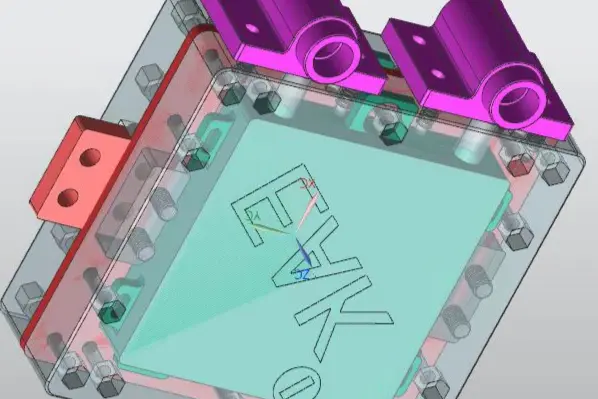 water-cooled resistors
Let me know if you’d like a comparison between water-cooled vs. air-cooled resistors or examples of specific resistor models used in battery testing!