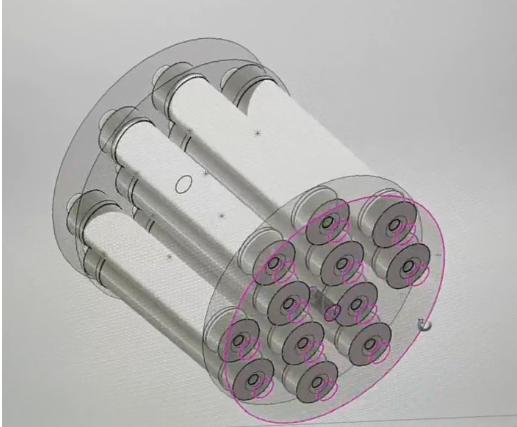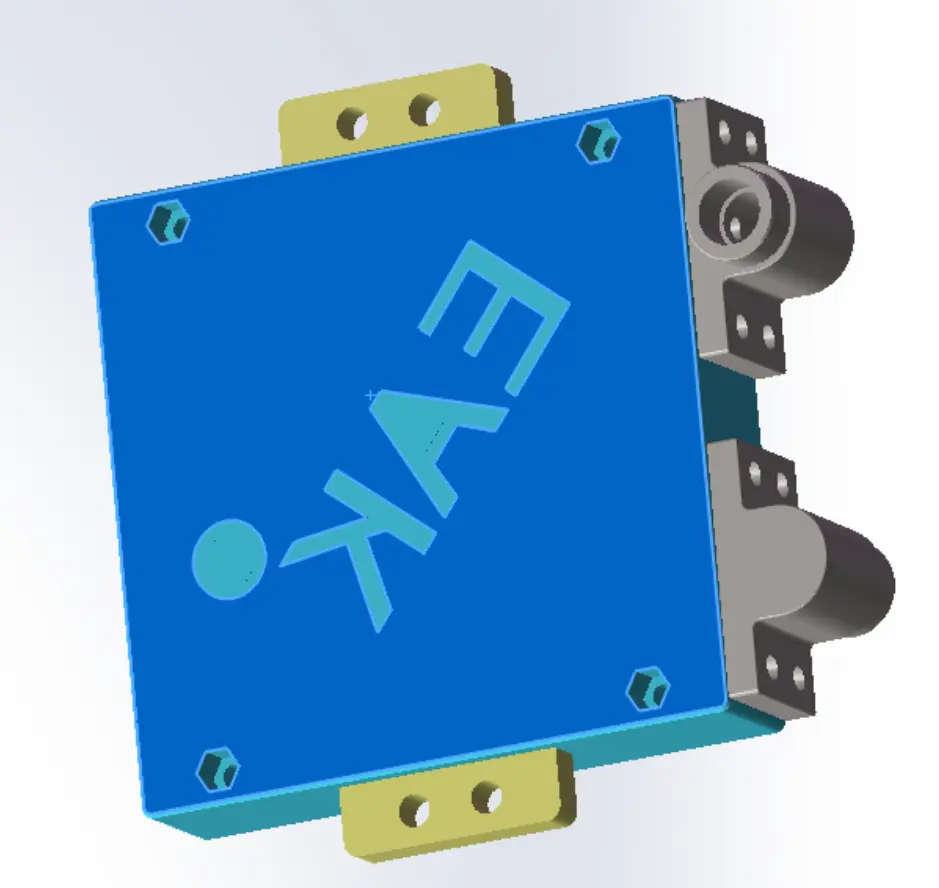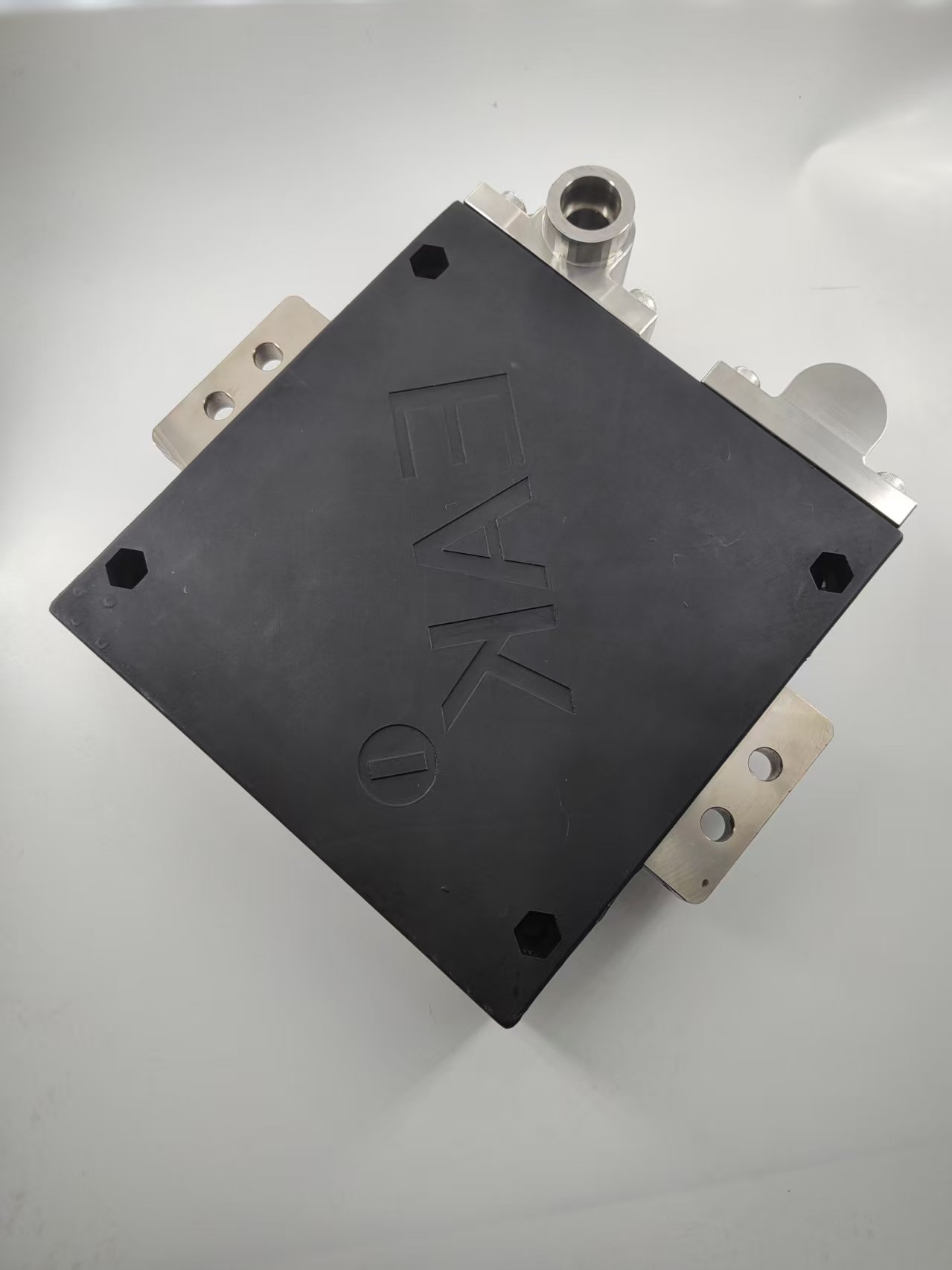
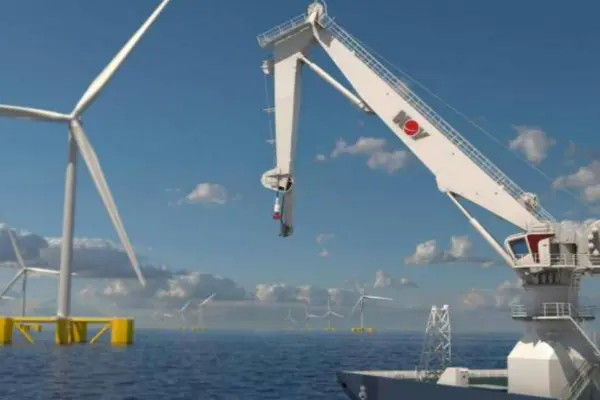

Water-cooled resistors play a crucial role in the operation of electric cranes on ships, particularly in managing power dissipation and ensuring efficient control of crane motors. Here’s a detailed analysis of their function, followed by an application case:
Role of Water-Cooled Resistors in Cranes
1. Power Dissipation: Water-cooled resistors are used to manage and dissipate electrical energy that is not converted into mechanical work by the crane’s motors. When cranes operate, especially during heavy loads or sudden movements, there may be a need to limit the current flow or provide braking energy back into the system. Resistors absorb this excess energy.
2. Load Control: In cranes, precise control of the lifting and lowering of loads is essential. Water-cooled resistors assist in controlling the voltage and current supplied to the crane’s motors, allowing for smooth acceleration and deceleration, avoiding jerky movements that could destabilize a load.
3. Cooling Efficiency: The water cooling system prevents overheating of resistors during continuous operation under heavy loads. Since cranes on ships often operate in harsh environments and over extended periods, maintaining optimal temperatures is crucial for reliability and safety.
4. Braking System: During active braking, electric energy generated by the crane’s motors must be managed effectively. Water-cooled resistors can convert the kinetic energy back into heat, ensuring safe energy dissipation rather than overheating the motors or injuring the system.
Application Case: Water-Cooled Resistors in a Ship Crane System
Case Study: Heavy Lifting Operations on a Cargo Ship
Overview: A cargo ship is equipped with a heavy lifting crane designed for unloading containers. The system utilizes eight water-cooled resistors rated for a maximum continuous power of 200 kW to maintain effective crane operation.
Challenges: The crane often lifts loads exceeding 100 tons. Quick responsiveness is required to avoid swinging loads. Continuous operation for several hours under heavy loads risks overheating the crane’s system.
Solution:
1. Implementation of Water-Cooled Resistors: - The crane’s control system integrates eight water-cooled resistors to manage electrical energy during lifting and lowering operations.
2. Operational Mechanics: As the crane lifts a container, the resistors control the current supplied to the motors, allowing for smooth and controlled movements. - During rapid lowering or sudden stops, the resistors absorb surplus energy, converting it into heat, which is efficiently removed by the water cooling system.
3. Safety and Reliability: By ensuring that resistors remain within a safe temperature range, the risk of failure due to overheating is significantly reduced. The water cooling system allows for continuous operation, enabling the crane to lift multiple containers in succession without downtime for cooling.
4. Performance Outcomes: Increased control over crane operations resulted in fewer incidents of load swinging, improving safety. Continuous performance under heavy loads ensured that the cargo ship could load and unload efficiently, leading to faster turnaround times in port.
5. Conclusion: The application of water-cooled resistors in the ship crane system proves effective in improving operational efficiency, safety, and reliability. Continuous power management and effective thermal control enable the crane to perform optimally, which directly contributes to ship operations’ success.
In summary, water-cooled resistors are essential components in electric cranes on ships, enabling efficient control of lifting operations, safety through temperature regulation, and seamless performance during heavy-duty tasks.