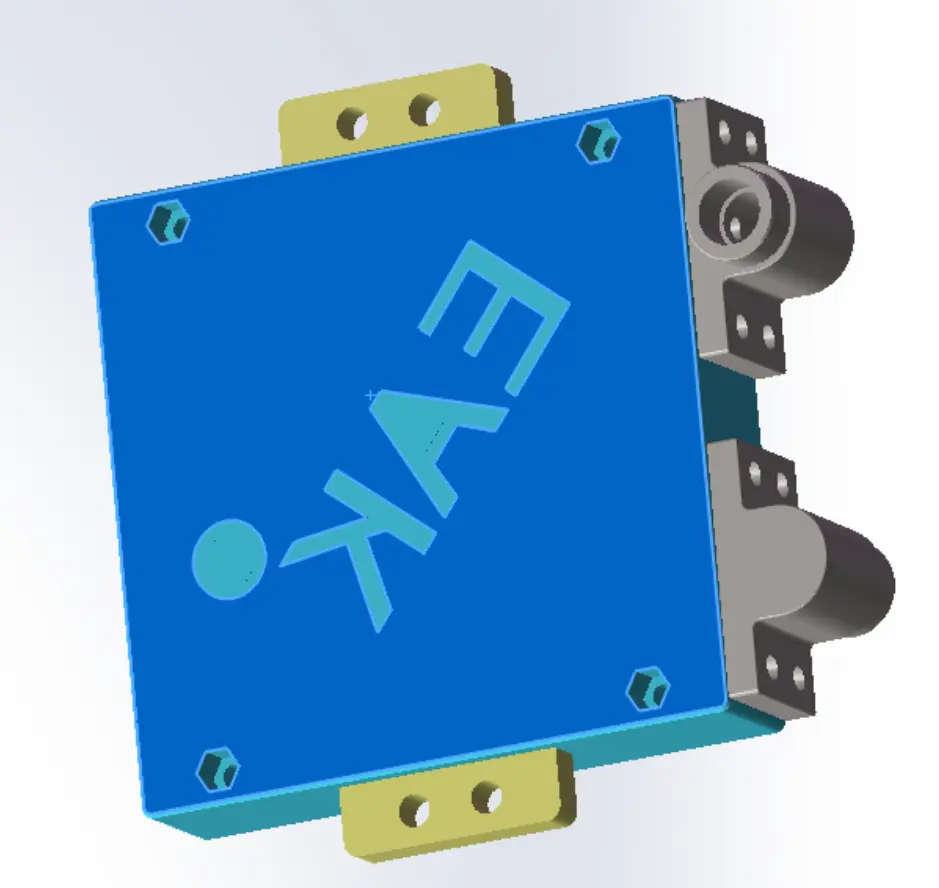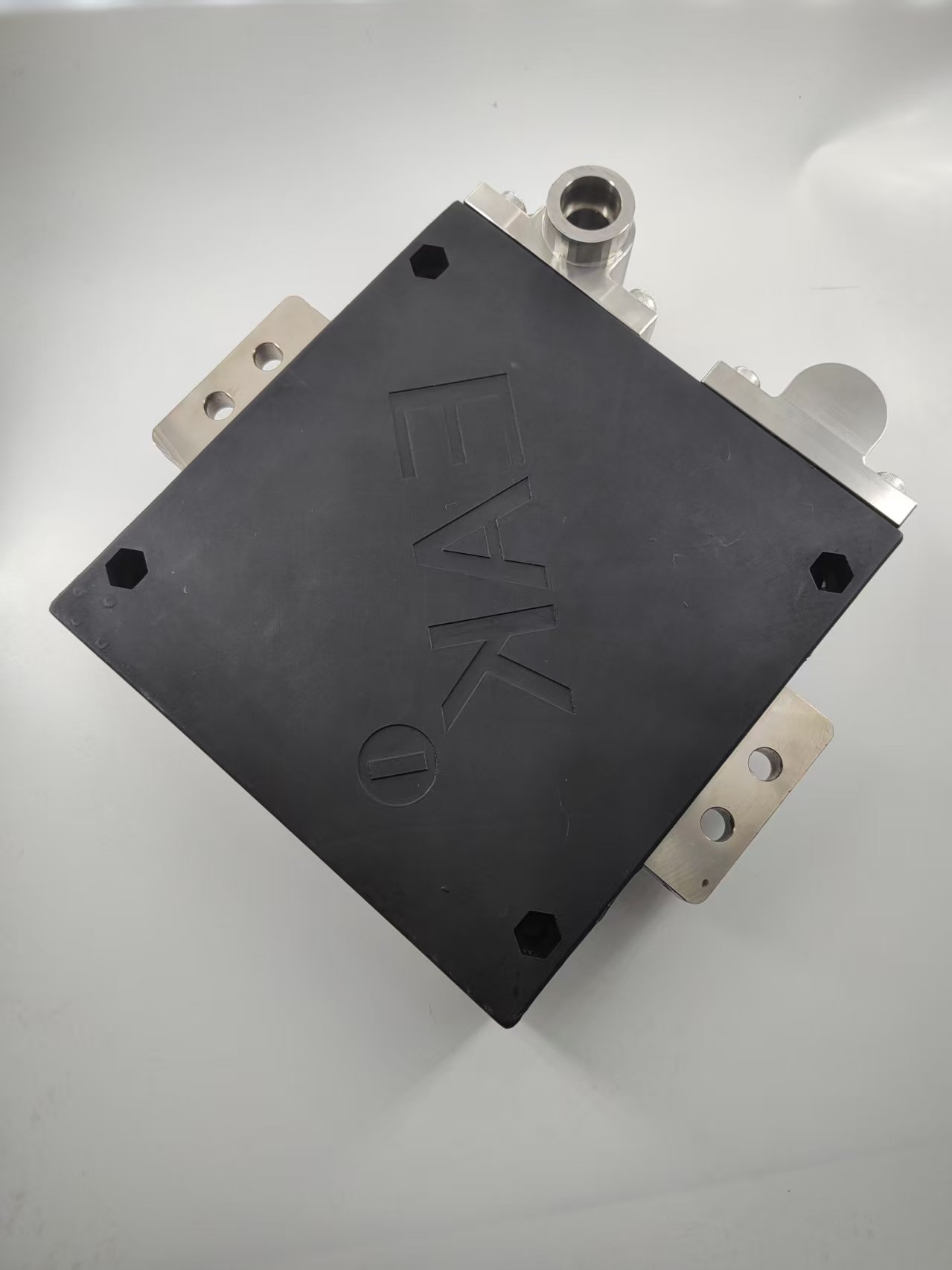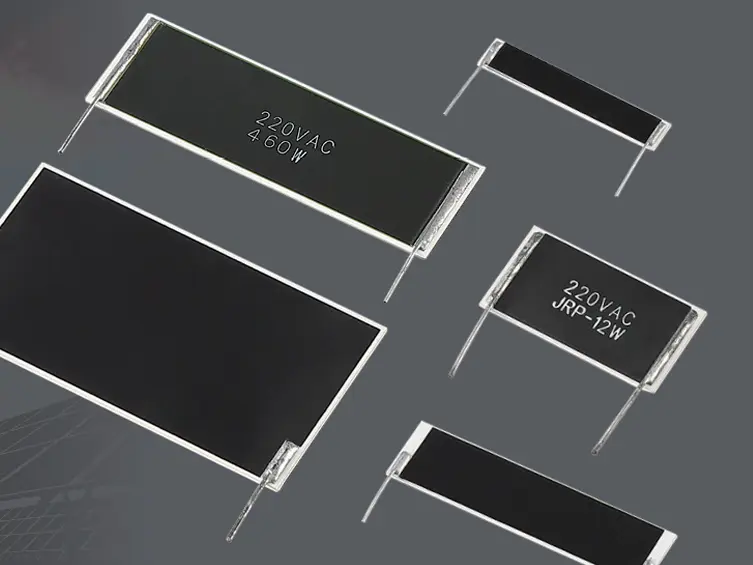
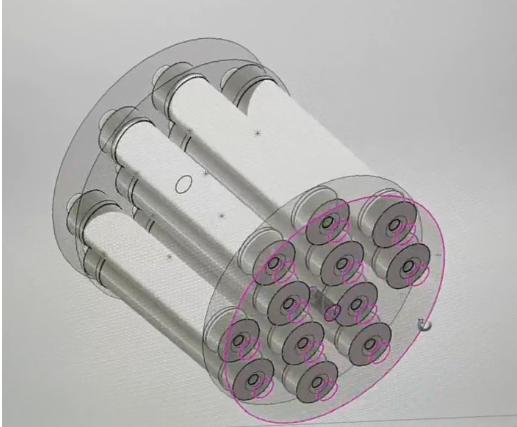

In the demanding world of industrial power electronics—from data centers and renewable energy inverters to traction systems and large-scale motor drives—the reliable startup of high-voltage DC systems is non-negotiable. At the heart of this critical process lies a seemingly simple but technically sophisticated component: the pre-charge resistor. Specifically engineered for integration into rectifier cabinets, a high-performance pre-charge resistor is your first and most vital line of defense against catastrophic inrush current that can damage capacitors, rectifier bridges, and contactors.
Why Pre-Charge? The Inrush Current Challenge
Modern rectifier cabinets typically feature large DC-link capacitor banks to smooth the rectified voltage. When power is first applied, these capacitors act like a momentary short circuit, drawing an enormous surge of current—often hundreds or even thousands of amperes. Without mitigation, this inrush current can weld contactor contacts, degrade or even explode capacitors, and stress semiconductor components beyond their limits, leading to premature system failure and costly downtime.
The Engineering Behind a High-Performance Pre-Charge Resistor
Not every resistor can handle the extreme demands of a pre-charge application. A true pre-charge resistor for industrial rectifier cabinets must be engineered to absorb massive amounts of energy in a very short time while maintaining stability and reliability. Key specifications, such as a continuous power rating of 500W, a staggering peak power handling of 110kW, and a short-time energy absorption capacity of 2000 Joules, are not just numbers—they are essential for survival in this high-stress environment.
Furthermore, a low inductance design—typically ≤ 10 µH—is crucial. Any parasitic inductance in the resistor can interact with the system’s capacitance to create dangerous voltage spikes and electromagnetic interference (EMI) during the switching transient, potentially damaging sensitive IGBTs or control circuitry. A high-quality pre-charge resistor is specifically constructed with non-inductive winding or solid-element technology to minimize this risk.
Critical Design Features for Maximum Reliability
The robustness of a pre-charge resistor is defined by more than just power and energy ratings. A maximum operating voltage of 1500V AC ensures compatibility with common industrial DC-link voltages (e.g., 690V AC input systems). An isolation voltage rating of 5000V AC provides a critical safety margin, preventing internal or external arcing during high-voltage transients or faults.
Additionally, a positive temperature coefficient (PTC) is a desirable feature. As the resistor heats up during the pre-charge cycle, its resistance increases slightly. This self-regulating behavior provides a natural “soft-start” effect, further helping to limit the tail end of the inrush current and enhancing the component’s self-protection.
Choosing the Right Pre-Charge Resistor for Your System
Selecting a generic, off-the-shelf resistor for this application is a gamble with your entire power system. The pre-charge event, though brief, subjects the component to extreme thermal and electrical stress. A purpose-built pre-charge resistor ensures that your rectifier cabinet powers up smoothly every single time, protecting your investment in expensive power electronics and ensuring operational continuity.
In conclusion, the pre-charge resistor is far more than a simple current limiter; it is a mission-critical safeguard. By specifying a high-energy, low-inductance, high-voltage pre-charge resistor with robust construction and proven reliability, system designers can achieve the safe, controlled, and dependable startup that modern industrial power systems demand. Don’t compromise on this essential component—engineer reliability in from the very first millisecond of power-up.