
In modern industrial motor control systems, managing energy during deceleration is critical to ensure system safety, reliability, and performance. Two key components play a vital role in this process: the braking chopper and the liquid-cooled resistor. These elements work together to handle regenerative energy, especially in applications involving heavy loads, rapid stopping, or vertical motion such as elevators, cranes, and conveyor systems.
What Is a Braking Chopper?
A braking chopper, also known as a braking unit or chopper circuit, is an electronic switch integrated into a variable frequency drive (VFD) that protects the DC bus from overvoltage conditions. When a motor decelerates or operates in a downward motion (like a lift descending), it acts as a generator, feeding energy back into the VFD’s DC bus. This causes the DC bus voltage to rise.
If left unmanaged, this excess voltage can damage sensitive components such as capacitors and IGBTs. To prevent this, the braking chopper monitors the DC bus voltage in real time. Once the voltage exceeds a predefined threshold (typically around 700–800V in a 400V AC system), the chopper activates and connects a braking resistor across the DC bus.
The chopper uses an IGBT (Insulated Gate Bipolar Transistor) as a high-speed switch. A voltage comparator circuit samples the DC bus voltage via a resistor divider network. When the sampled voltage exceeds a stable reference voltage by a few millivolts, the comparator triggers the IGBT to turn on, allowing current to flow through the braking resistor, where the excess energy is dissipated as heat.
Once the DC voltage drops to a safe level, the chopper turns off, disconnecting the resistor. This on-off cycling ensures precise voltage control and efficient energy management.
Why Use a Braking Chopper?
Braking choppers are essential in applications where:
- High-inertia loads require fast stopping.
- Regenerative energy cannot be fed back into the power grid (i.e., no regenerative power supply).
- A backup braking solution is needed for systems with active front ends.
Without a braking chopper, the VFD would trip on overvoltage, leading to downtime and potential safety hazards.
The Role of Braking Resistors – Enter Liquid-Cooled Technology
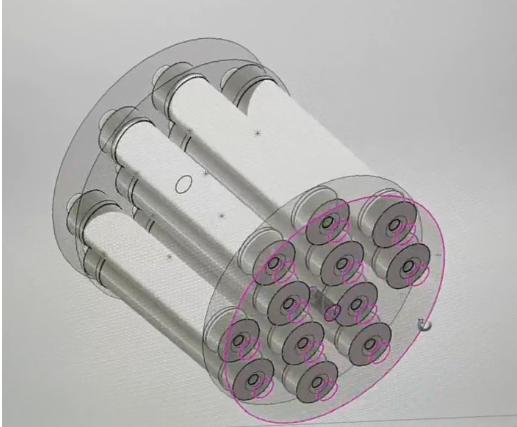
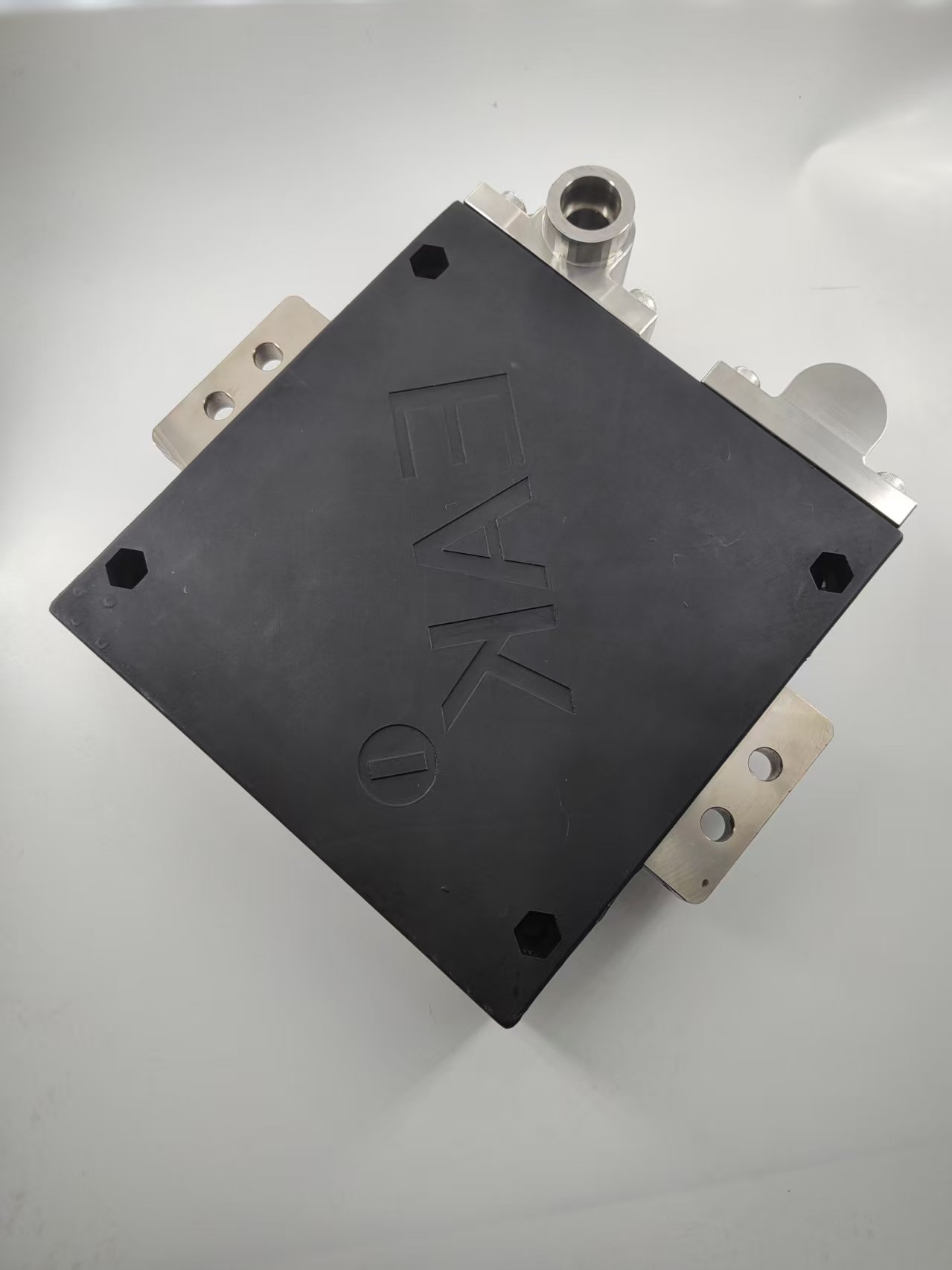
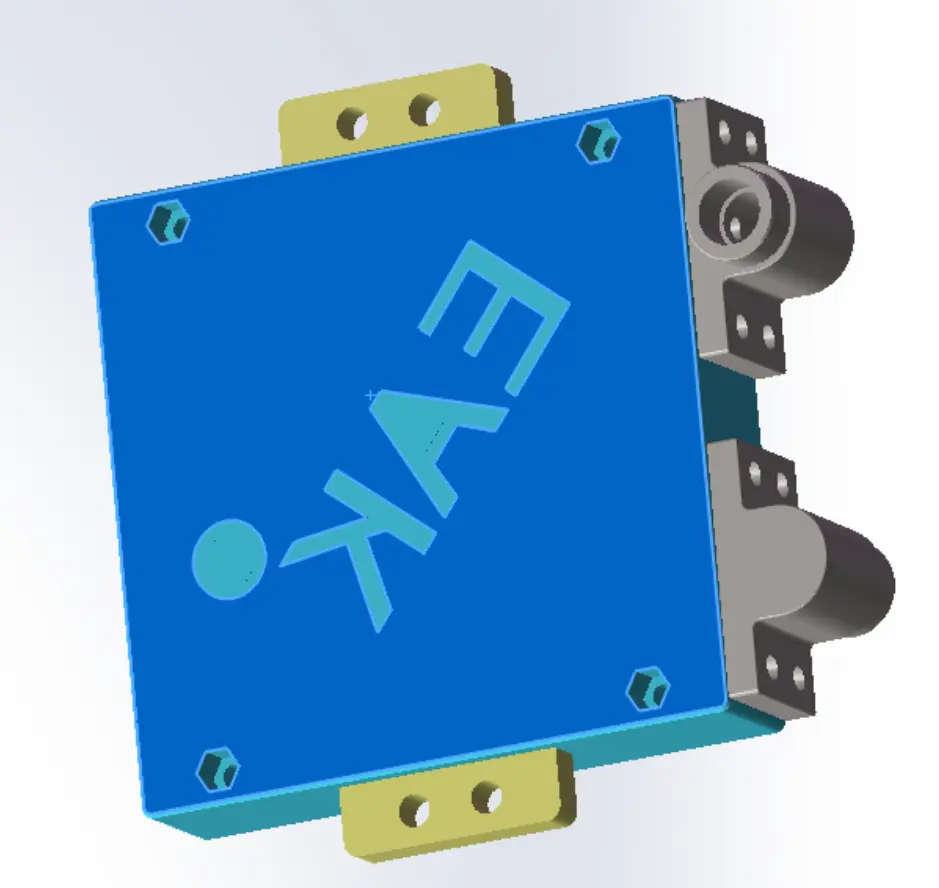
While the braking chopper controls when energy is dissipated, the braking resistor determines how much energy can be handled. Traditional braking resistors are air-cooled and rely on fans or natural convection to dissipate heat. However, in high-duty-cycle or space-constrained environments, liquid-cooled resistors offer a superior alternative.
Liquid-cooled resistors use water or glycol-based coolant to absorb and transfer heat away from the resistive elements. This allows them to:
- Handle higher continuous power loads.
- Operate at higher duty cycles (up to 100%).
- Be installed in compact or sealed enclosures where airflow is limited.
- Reduce ambient heat in control cabinets, improving overall system reliability.
For example, in applications like mine hoists or large centrifuges that require frequent and powerful braking, a liquid-cooled resistor paired with a robust braking chopper can provide consistent, reliable performance without overheating.
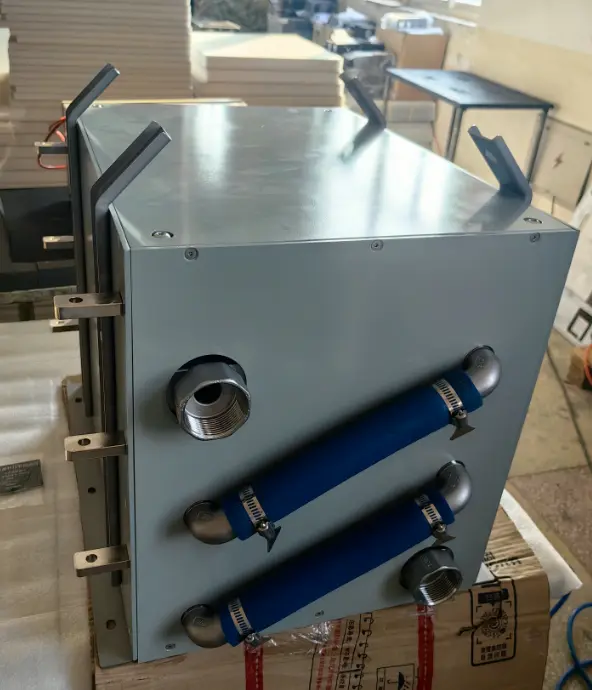 Braking Choppers
Key Considerations When Pairing Braking Choppers and Liquid-Cooled Resistors
- Resistance Value and Power Rating: The resistor must match the chopper’s voltage thresholds and the expected regenerative power. Too low a resistance can overload the chopper; too high reduces braking torque.
- Duty Cycle: Liquid-cooled resistors excel in high-duty applications. For slow deceleration of high-inertia loads, lower duty ratings may suffice. For rapid stops, a 100% duty-rated liquid-cooled resistor is ideal.
- Cooling System Integration: Ensure proper plumbing, coolant flow rate, and temperature monitoring to maintain efficiency and prevent thermal failure.
- Fault Protection: Modern braking choppers monitor for faults such as short-circuited resistors, IGBT failure, or loss of enable signal. In case of fault, the chopper disconnects the resistor and triggers an alarm.
Common Issues and Troubleshooting
- Resistor heats up at startup: This indicates the braking chopper’s IGBT may be shorted or misfiring due to control circuit failure.
- Frequent overvoltage trips: Check resistor integrity, cabling, and chopper enable signal.
- Chopper not engaging: Verify voltage thresholds, control logic, and cooling system status (especially for liquid-cooled units).
Conclusion
The combination of a braking chopper and liquid-cooled resistor provides a powerful, efficient solution for managing regenerative energy in demanding industrial environments. While the chopper ensures precise voltage control, the liquid-cooled resistor enables high-power, continuous operation with superior thermal management. As industries move toward more dynamic and energy-intensive automation, this duo will remain a cornerstone of reliable drive system design.
By optimizing these components, engineers can achieve faster response times, improved system longevity, and reduced maintenance — all while keeping safety and performance at the forefront.