
High Voltage Direct Current (HVDC) transmission systems are vital for efficient long-distance power transfer, especially when integrating renewable energy sources and connecting asynchronous grids. However, these systems are susceptible to overvoltage conditions caused by lightning strikes, switching operations, or transient faults. To safeguard equipment and ensure system stability, overvoltage protection devices such as carbon ceramic composite resistors and water-cooled resistors are employed. These resistors are crucial for absorbing transient energy and preventing damage to the HVDC infrastructure.
Understanding Overvoltage in HVDC Systems
In HVDC transmission, overvoltage events can lead to insulation breakdown, equipment failure, and system outages. These transient phenomena often involve sudden surges of energy that must be dissipated rapidly. The challenge lies in designing resistors capable of handling high energy levels without degradation, ensuring reliable operation over the lifespan of the system.
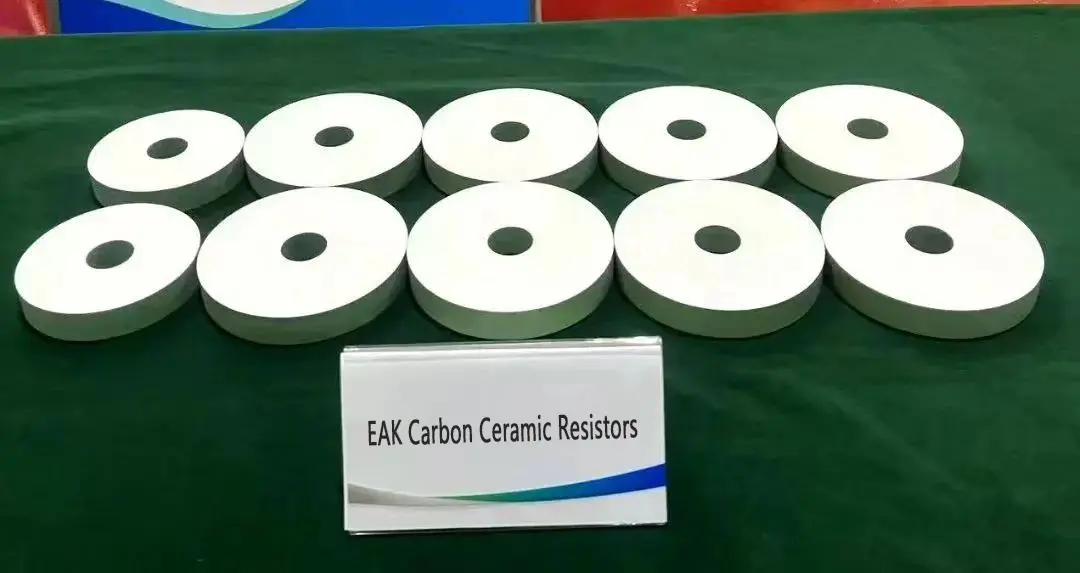 Carbon Ceramic Resistors
Carbon Ceramic Composite Resistors: High Energy Absorption and Reliability
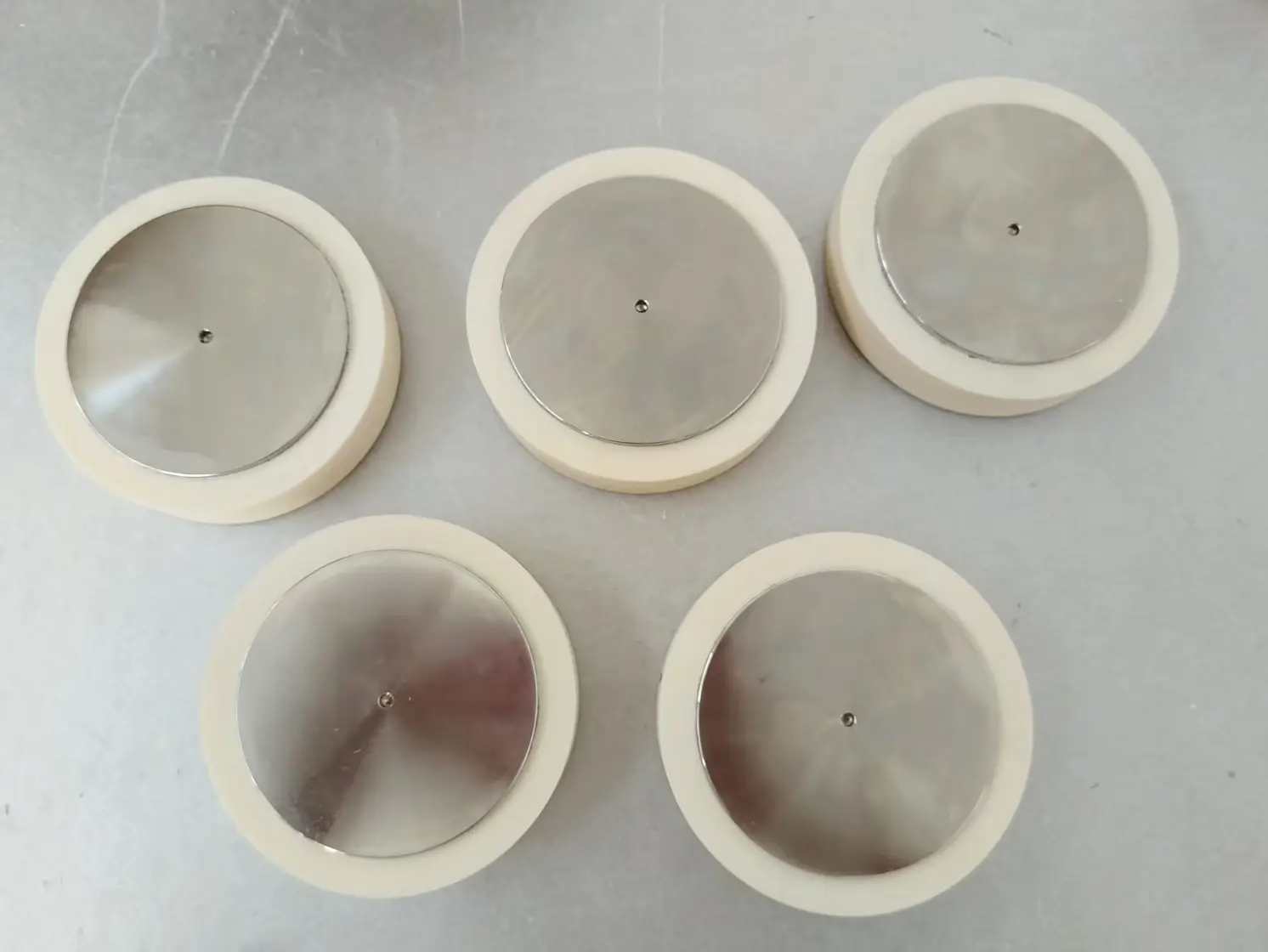
Carbon ceramic composite resistors have become a popular choice for overvoltage protection in HVDC systems due to their excellent energy absorption capabilities and thermal stability. Made from a composite of carbon particles embedded in a ceramic matrix, these resistors exhibit high pulse power ratings and fast response times.
For example, in a recent HVDC project connecting remote wind farms, carbon ceramic resistors were used at the converter stations to absorb lightning-induced surges. Their high pulse energy capacity allowed them to safely dissipate transient energy, preventing damage to sensitive components. Their robust construction also ensures stability under harsh environmental conditions, making them ideal for outdoor installations.
Water-Cooled Resistors: Efficient Heat Dissipation for High Power Handling
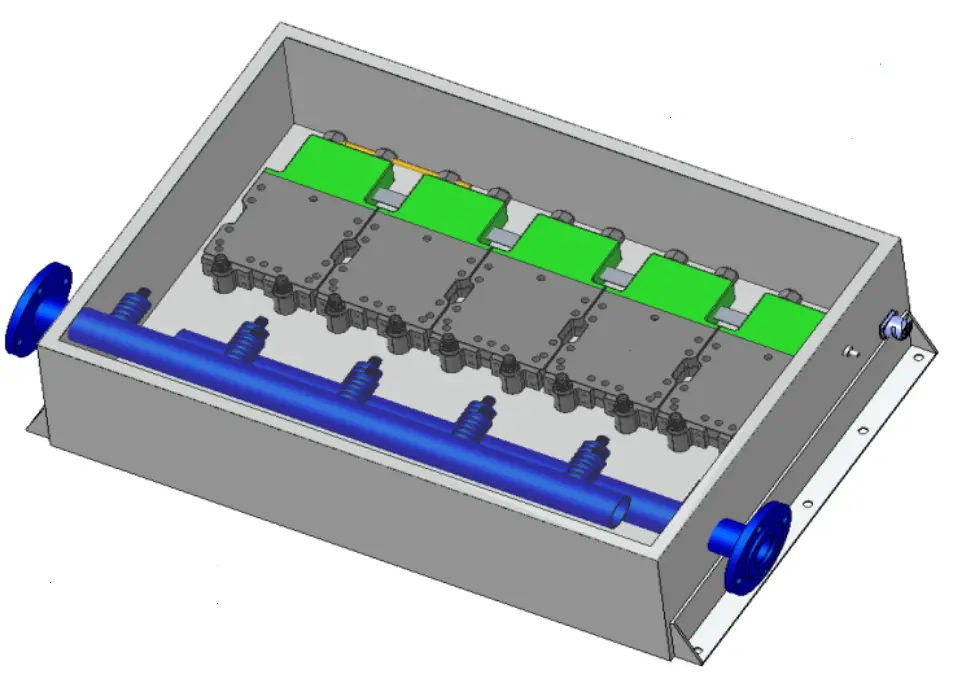 Water-Cooled Resistors
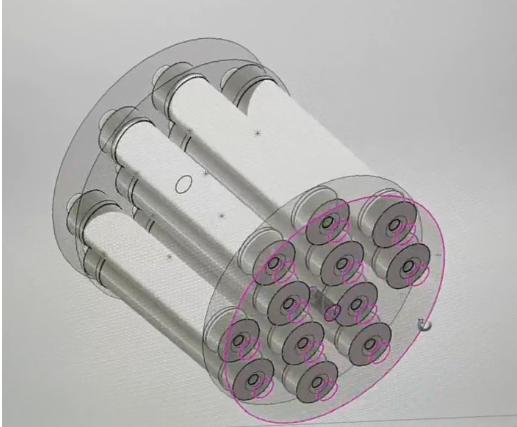
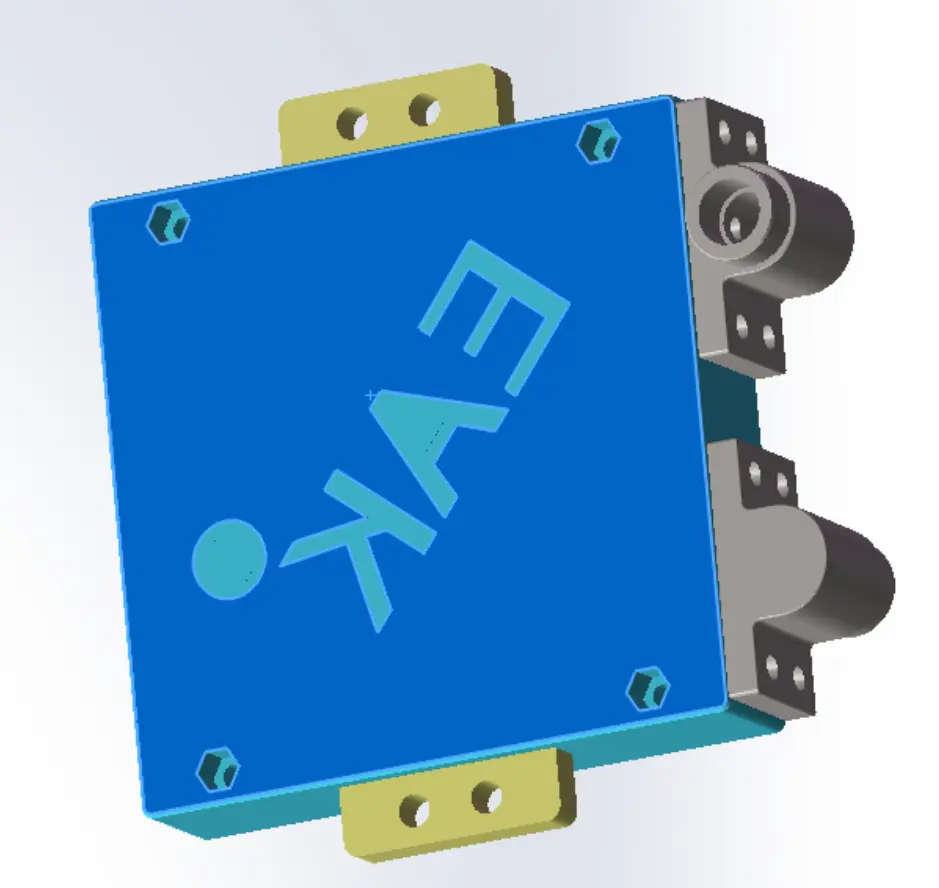
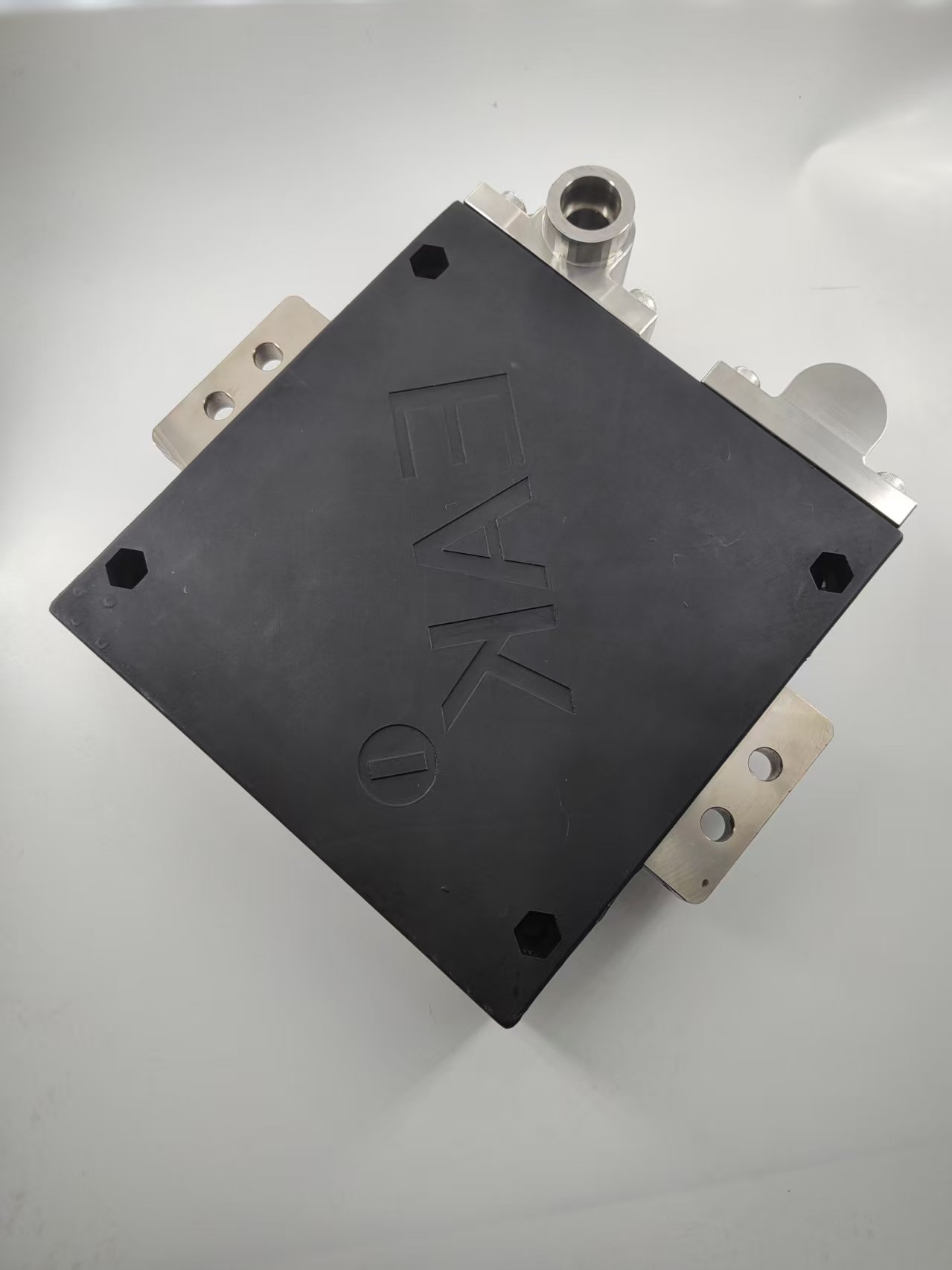
Water-cooled resistors are another solution for overvoltage protection, especially in high-power scenarios. These resistors are designed with a water-cooling system that efficiently transfers heat away from the resistor element, enabling continuous operation under high energy pulses.
In a case study involving a HVDC link between two countries, water-cooled resistors were employed at the converter stations to manage transient overvoltages. The water cooling system allowed the resistors to handle peak energies exceeding several hundred kilojoules, ensuring system stability during lightning strikes and switching operations. The ability to control temperature precisely extends the lifespan of the resistors and maintains consistent performance.
Conclusion
Both carbon ceramic composite resistors and water-cooled resistors play vital roles in overvoltage protection for HVDC transmission systems. The choice between them depends on specific project requirements, including energy levels, environmental conditions, and maintenance considerations. Implementing these advanced resistors enhances the reliability and safety of HVDC networks, ensuring uninterrupted power delivery across vast distances.