
In the fast-evolving world of electronics, Ceramic Non-Inductive Resistors have emerged as a critical component for high-performance applications. These resistors offer unique advantages that make them indispensable in industries ranging from telecommunications to medical equipment. In this blog post, we’ll explore what makes ceramic non-inductive resistors stand out and why they are essential for modern electronic designs.
What Are Ceramic Non-Inductive Resistors?
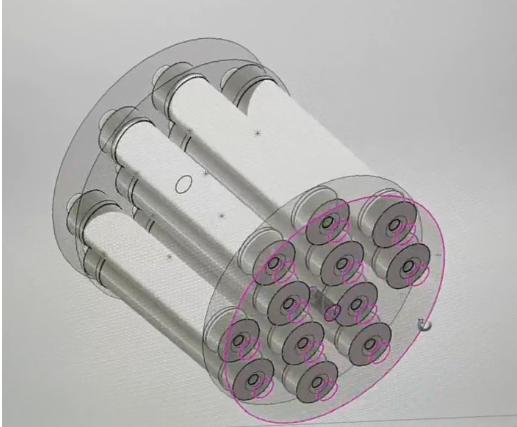
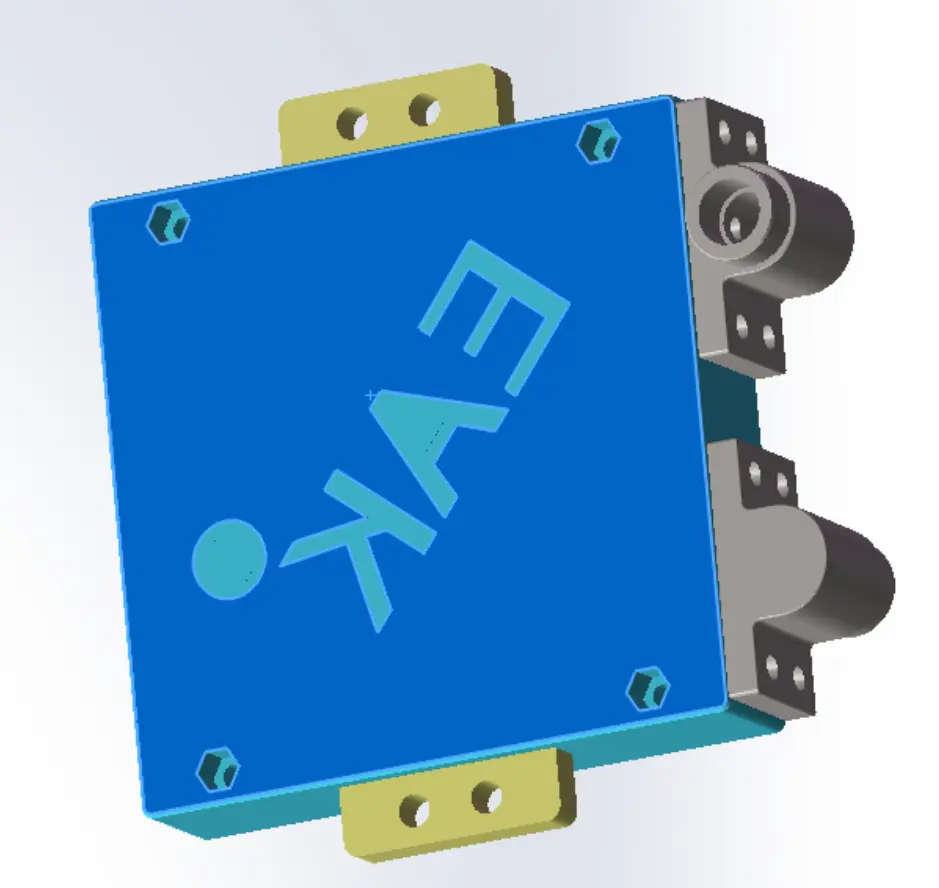
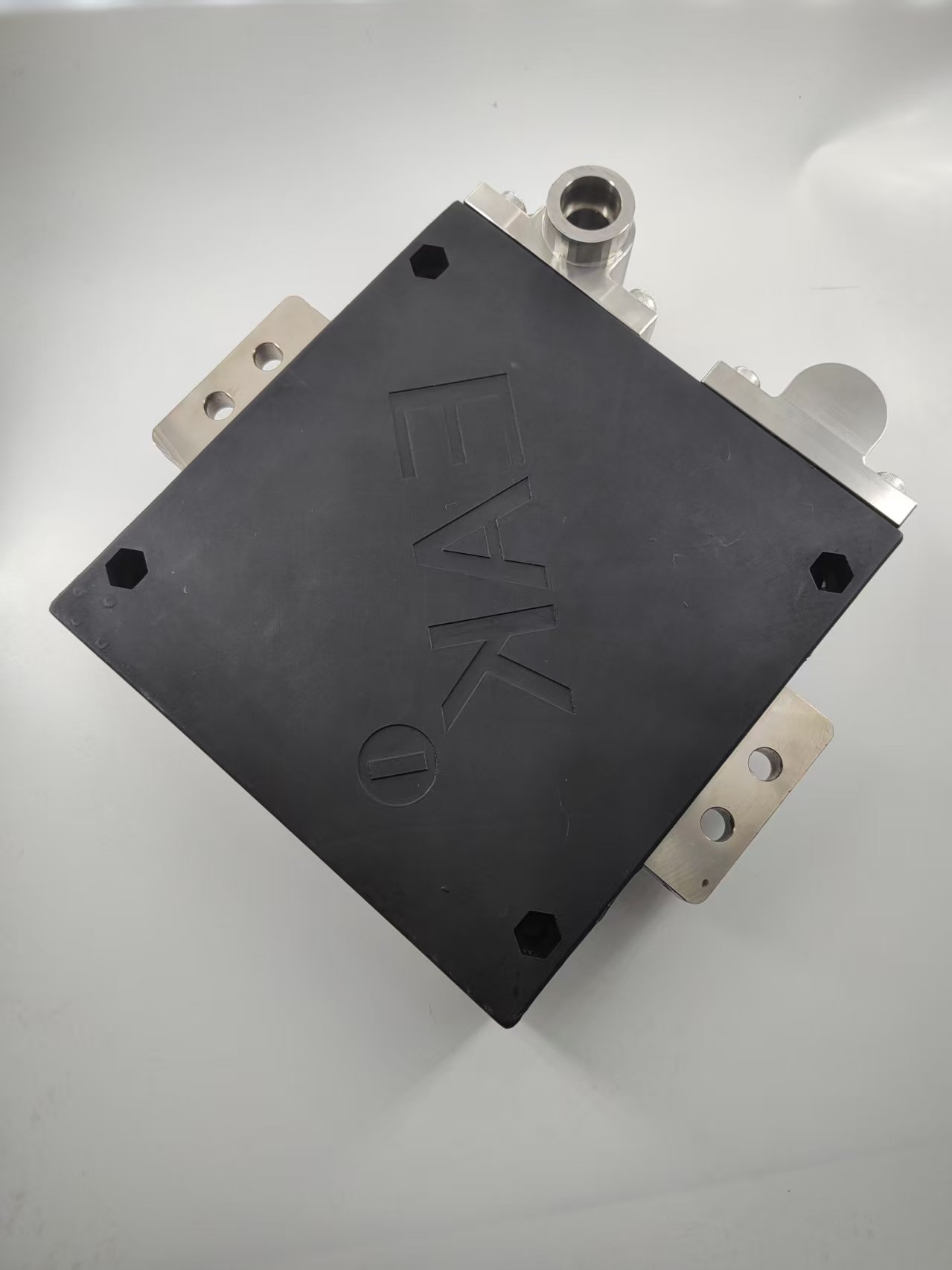
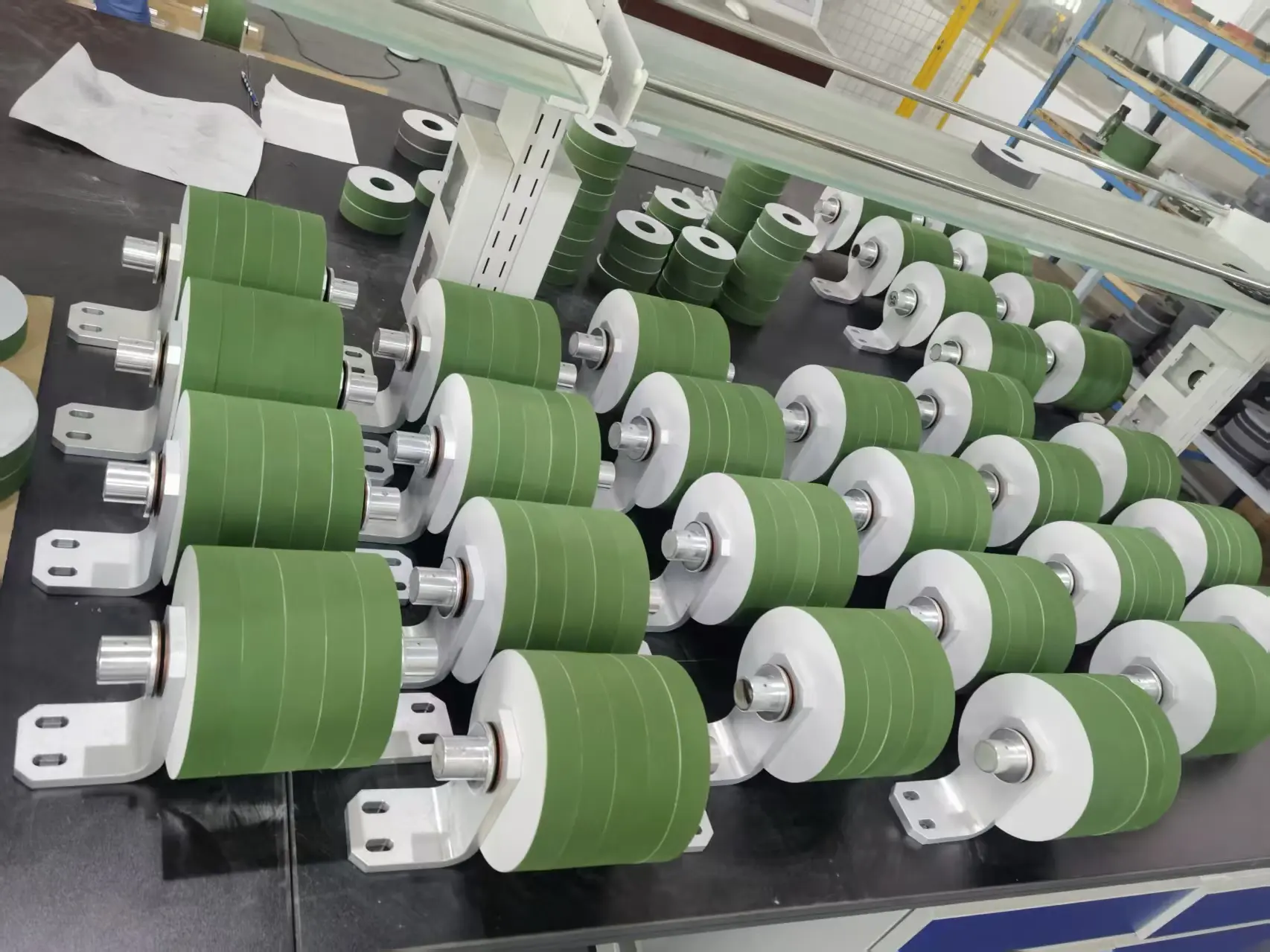
Ceramic Non-Inductive Resistors are specialized components designed to provide resistance without introducing inductance into the circuit. Unlike traditional wire-wound or film resistors, these resistors utilize a bulk ceramic material embedded with conductive particles within an inert matrix. This construction ensures uniform energy absorption and eliminates issues related to inductance, such as signal distortion or power loss at high frequencies.
The absence of inductive properties makes these resistors ideal for applications where precision and stability are paramount. They are particularly suited for use in high-voltage, high-current, and high-energy environments where conventional resistors may fail due to thermal or mechanical stress.
Why Choose Ceramic Non-Inductive Resistors?
1. Superior Performance in High-Frequency Applications
One of the most significant advantages of Ceramic Non-Inductive Resistors is their ability to operate efficiently at high frequencies. With performance capabilities extending into the GHz range, these resistors are widely used in RF (radio frequency) circuits, including RF dummy loads, amplifiers, and power generators. Their non-inductive nature ensures minimal signal interference, making them perfect for sensitive communication systems.
2. High Energy Absorption and Dissipation
These resistors excel in applications requiring high energy absorption and dissipation. Whether it’s managing capacitor charge/discharge cycles or handling pulse-forming networks, ceramic non-inductive resistors can withstand short-term overloads and peak power surges without compromising performance.
3. Chemical and Thermal Stability
Thanks to their inert matrix design, these resistors exhibit excellent chemical and thermal stability. They are resistant to corrosion and degradation, even in harsh environments. This makes them suitable for long-term deployment in industrial, medical, and aerospace applications where reliability is crucial.
4. Customizable Geometries and Sizes
Manufacturers offer a wide range of customizable options, allowing engineers to choose from various sizes and shapes to fit specific design requirements. From compact ½ watt models to robust 1000-watt units, there’s a Ceramic Non-Inductive Resistor tailored for every application.
5. Enhanced Reliability and Longevity
With no films or wires to degrade over time, these resistors boast exceptional durability. Their solid-state construction minimizes failure points, ensuring consistent performance across extended operational lifespans.
Key Applications of Ceramic Non-Inductive Resistors
RF and Communication Systems
From broadcast equipment to laser power supplies, Ceramic Non-Inductive Resistors play a vital role in maintaining signal integrity in high-frequency environments. They are commonly used in RF amplifiers, transmitters, and dummy loads to ensure stable operation without introducing unwanted inductance.
Industrial and Power Electronics
In industrial settings, these resistors are employed in motor controls, welding equipment, and power converters. They help manage inrush currents, dynamic braking, and soft-start functions, ensuring smooth and efficient system operation.
Medical Equipment
Medical devices such as defibrillators, CT scanners, and patient monitors rely on precise electrical control. Ceramic Non-Inductive Resistors provide the reliability and accuracy required in life-saving equipment.
Renewable Energy and Smart Grids
As renewable energy systems become more prevalent, the need for high-voltage resistors has grown. These resistors are used in solar inverters, wind turbine controllers, and battery management systems to regulate voltage and current effectively.
Test and Measurement Equipment
In high-voltage testing and pulse test equipment, these resistors serve as reliable load elements. Their ability to absorb and dissipate large amounts of energy makes them ideal for simulating real-world conditions during product validation and quality assurance.
Choosing the Right Type of Ceramic Non-Inductive Resistor
There are several types of Ceramic Non-Inductive Resistors , each optimized for specific use cases:
- Type AS Resistors : Designed for high-energy applications such as capacitor discharge and pulse-forming networks.
- Type SP Resistors : Ideal for high-power, high-frequency scenarios like snubber circuits and harmonic filtering.
- Type A Resistors : Suited for high-voltage, high-resistance applications in power supplies and bleeder circuits.
Selecting the appropriate type depends on your application’s voltage, current, power, and frequency requirements.
Conclusion
In summary, Ceramic Non-Inductive Resistors represent a significant advancement in resistor technology. Their unmatched performance in high-frequency, high-voltage, and high-energy applications makes them a preferred choice for engineers working on cutting-edge electronic systems. Whether you’re designing medical devices, RF equipment, or industrial automation systems, incorporating ceramic non-inductive resistors can enhance both functionality and reliability.
As demand for high-performance electronics continues to grow, so will the importance of these advanced components. By understanding their benefits and applications, you can make informed decisions that elevate your designs and keep pace with the ever-evolving tech landscape.
Call to Action: If you’re looking to integrate Ceramic Non-Inductive Resistors into your next project, consult with a trusted supplier today. Explore custom solutions that meet your exact specifications and unlock new levels of performance and efficiency in your electronic systems.