
The principle of using high energy carbon ceramic resistors for arc extinguishing in ultra-high voltage circuit breakers is closely related to their material properties, thermal performance, and electrical characteristics. Here is a detailed analysis of their functionality:
1. Basic Characteristics of Arcs When the circuit breaker interrupts the current, an arc is generated between the contacts. An arc is a high-temperature plasma that conducts electricity, maintaining the flow of current and preventing the complete disconnection of the circuit. To effectively extinguish the arc, measures must be taken to dissipate the arc’s energy quickly and reduce its conductivity.
2. Mechanism of Action of Ceramic Resistors Ceramic resistors primarily function in the arc extinguishing process through the following ways:
(1) Energy Absorption of the Arc Ceramic materials have high thermal capacity and high-temperature resistance, enabling them to withstand the extremely high temperatures generated by the arc. - When the arc contacts the ceramic surface, the ceramic absorbs a portion of the arc’s energy and converts it into thermal energy, dissipating it into the surrounding environment. This helps lower the temperature of the arc, thereby weakening its conductivity.
(2) Increasing Arc Resistance Ceramic materials are inherently high-resistance materials; when the arc comes into contact with the ceramic, the resistance of the arc path significantly increases. As the arc resistance increases, the current in the arc gradually decreases, ultimately leading to the extinction of the arc.
(3) Promoting Arc Cooling Ceramic materials possess excellent thermal conductivity and heat dissipation capabilities, allowing them to rapidly transfer the heat generated by the arc to the surrounding environment or cooling structures. The cooling process causes gas molecules in the arc to recombine, disrupting the plasma state and accelerating the extinction of the arc.
(4) Limiting Arc Expansion Ceramic materials have excellent insulating properties, effectively limiting the expansion of the arc and preventing it from spreading within the circuit breaker, thereby protecting the equipment’s safety.
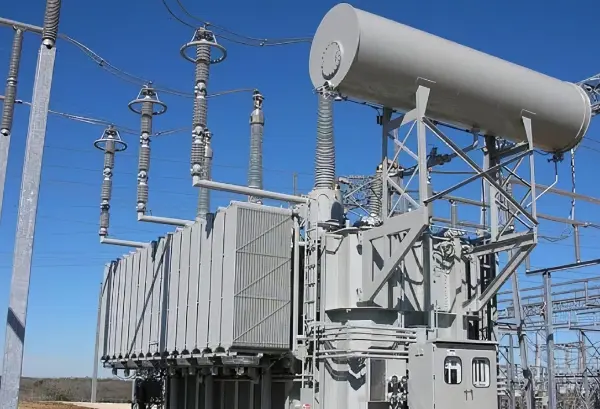
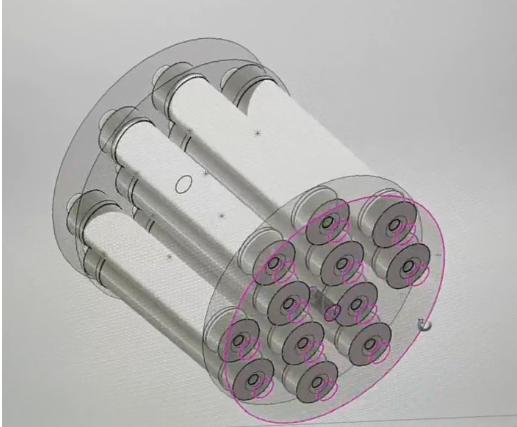
3. Special Design of Ceramic Materials To better fulfill the extinguishing function, high energy carbon ceramic resistors are often specially designed: Porous Structure: Some ceramic materials are designed with a porous structure, utilizing gas adsorption and release properties to further cool the arc. Doping Modification: By adding specific metal oxides or other additives to the ceramic, their high-temperature resistance and thermal conductivity can be enhanced. Shape Optimization: The shape and surface treatment of ceramic resistors are optimized to improve their contact efficiency with the arc and their energy absorption capacity.
4. Synergistic Effect with Other Arc Extinguishing Technologies In ultra-high voltage circuit breakers, high energy carbon ceramic resistors often work in conjunction with other arc extinguishing technologies (such as gas blowing and vacuum extinguishing): Gas Blowing: High-speed gas flow stretches and cools the arc, while the ceramic resistor further absorbs the remaining energy. Vacuum Extinguishing: In a vacuum, sustaining an arc becomes more difficult; the ceramic resistor can provide additional extinguishing support at the moment the contacts separate.
5. Conclusion The core principles of ceramic resistors in arc extinguishing within ultra-high voltage circuit breakers are: Absorbing the arc energy and reducing the arc temperature; Increasing arc resistance to decrease the current; Accelerating the cooling of the arc and disrupting the plasma state; Limiting the expansion of the arc to protect equipment safety.
The combination of these materials and technologies makes ceramic resistors an indispensable key component in ultra-high voltage circuit breakers.