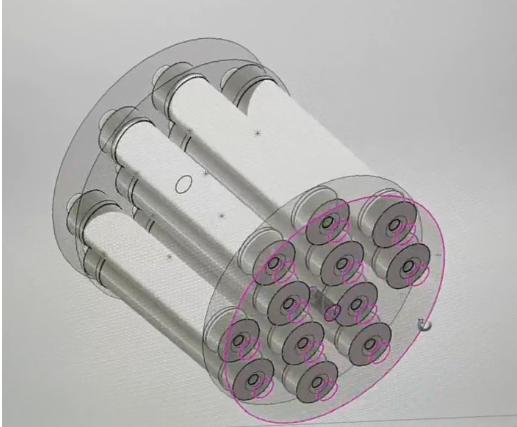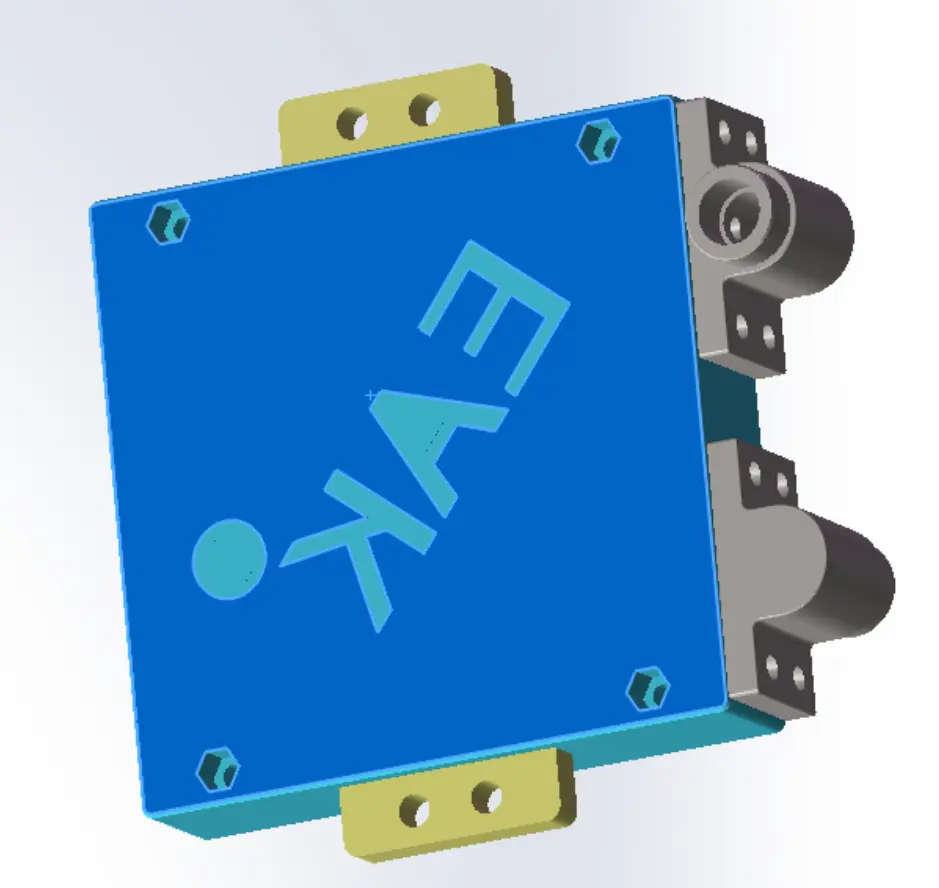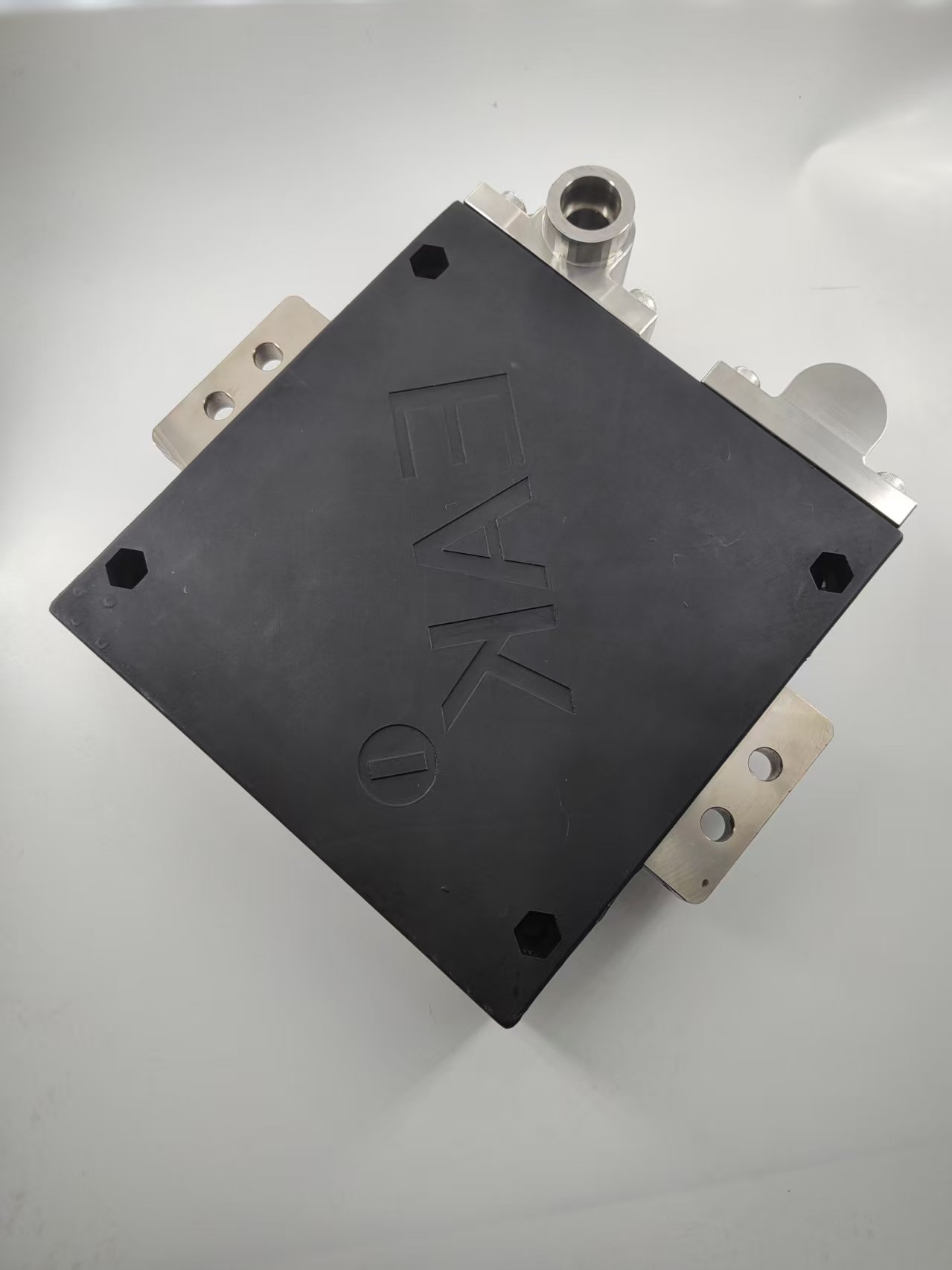
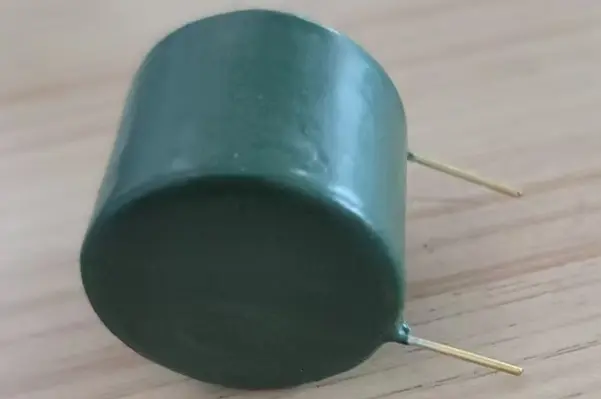

In the world of industrial electronics and motor control systems, reliability and durability are paramount. One critical component that plays a key role in ensuring system longevity is the surge resistor . Specifically designed to handle high-energy transients and voltage spikes, surge resistors—particularly ceramic solid carbon composite resistors—are essential in protecting sensitive electronic circuits from damage caused by sudden power surges.
What is a Surge Resistor?
A surge resistor , also known as a high-power resistor or anti-surge resistor, is an electrical component engineered to absorb and dissipate large amounts of energy during short-duration voltage spikes. These surges often occur during motor startup, switching operations, or due to external factors like lightning strikes or power grid fluctuations.
Unlike standard resistors, which can be easily damaged by such events, surge resistors are built to withstand extreme thermal and electrical stress without failing. Among the most robust types available today are ceramic solid carbon composite resistors , which combine high mechanical strength with excellent thermal conductivity and superior resistance to electrical surges.
Why Use Surge Resistors in Motor Control?
Motors, especially induction motors, draw significantly higher current during startup than during normal operation—a phenomenon known as inrush current. This sudden demand can create voltage spikes that may damage components such as variable frequency drives (VFDs), capacitors, and other control circuitry.
By integrating a surge resistor into the motor control circuit, engineers can effectively suppress these transient voltages, prolonging equipment life and reducing maintenance costs. The resistor acts as a temporary load, absorbing excess energy and preventing it from reaching more delicate parts of the system.
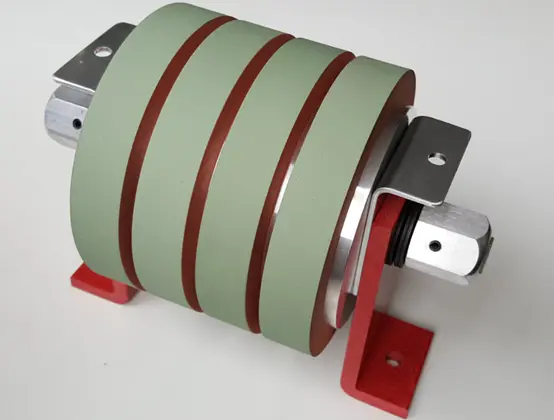 Surge Resistor
Advantages of Ceramic Solid Carbon Composite Resistors
Ceramic solid carbon composite resistors represent a cutting-edge solution for applications requiring both high surge capability and stable performance. Here are some of their key advantages:
- High Surge Withstanding Capability : Engineered to handle thousands of joules of energy in a single pulse.
- Excellent Thermal Dissipation : The ceramic body allows for rapid heat dissipation, minimizing thermal runaway risks.
- Compact Design : Despite their rugged performance, these resistors are often smaller than traditional wirewound alternatives.
- Corrosion Resistance : The sealed ceramic construction protects against moisture and environmental contaminants.
- Stable Resistance Value : Maintains consistent resistance even under repeated surge conditions.
These features make ceramic solid carbon composite resistors ideal for use in motor soft starters, inverter controls, power supplies, and industrial automation systems where protection against surges is crucial.
Choosing the Right Surge Resistor
Selecting the appropriate surge resistor involves evaluating several key parameters:
- Energy Rating (Joules) : Determines how much energy the resistor can safely absorb.
- Resistance Value (Ohms) : Must match the circuit’s requirements to ensure proper current limiting.
- Operating Voltage : Should exceed the maximum voltage expected in the application.
- Thermal Management : Consideration of ambient temperature and cooling methods is vital for long-term reliability.
When designing motor control systems, always consult with a qualified engineer or supplier to ensure the selected resistor meets all necessary specifications.
Conclusion
In summary, the surge resistor , particularly the ceramic solid carbon composite type, is an indispensable component in modern motor control applications. By mitigating the damaging effects of voltage spikes and inrush currents, these resistors enhance system stability, reduce downtime, and ultimately contribute to lower operational costs.
 Surge Resistor
Whether you’re designing industrial machinery, electric vehicle systems, or automated production lines, incorporating a high-quality surge resistor is a smart investment in the longevity and efficiency of your electrical systems.