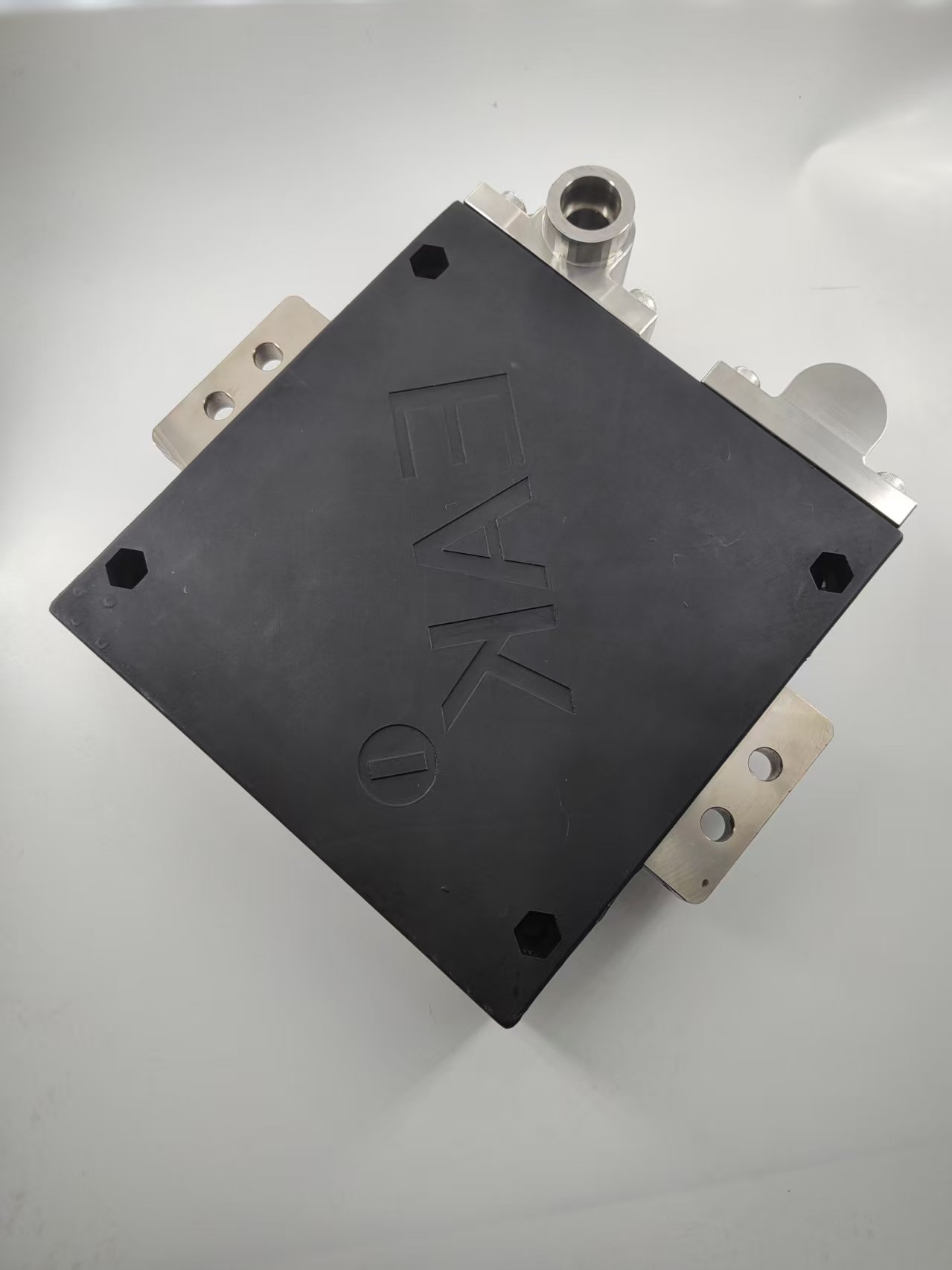
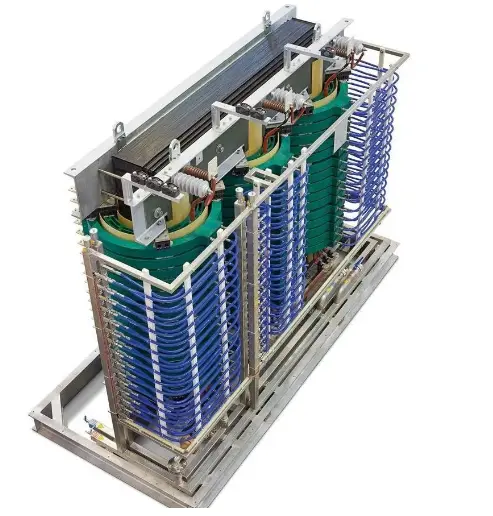

In modern power plants, the application of water-cooled transformers is crucial, especially in thermal and nuclear power stations. They not only improve the operational efficiency of the equipment but also effectively extend the lifespan of the transformers. Here is a specific case that demonstrates the application of water-cooled transformers in a power plant.
**Case Study: Application of Water-Cooled Transformers in a Nuclear Power Plant**
A certain nuclear power plant decided to upgrade its generation equipment to meet the growing electricity demand. In this upgrade, engineers opted for water-cooled transformers to handle the high heat generated by the nuclear reactor. The design requirements of the power plant stipulated that the transformers needed to maintain a stable temperature under high load conditions to ensure safe and efficient power output.
During implementation, engineers installed multiple water-cooled transformers equipped with advanced cooling systems that could monitor the temperature and load conditions of the transformers in real-time. With the water cooling system, the operating temperature of the transformers was effectively controlled within a safe range, preventing equipment failures due to overheating.
Since the adoption of water-cooled transformers, the power generation efficiency of the nuclear power plant has significantly improved, with overall energy efficiency increasing by 15%. Additionally, because the transformers’ temperatures are maintained at an optimal level, maintenance costs have drastically decreased, and downtime has been minimized, ensuring stable electricity supply.
This successful case fully illustrates the importance of water-cooled transformers in nuclear power stations. They not only enhance power generation efficiency but also provide strong assurance for safe operations. With the increasing demand for clean energy, water-cooled transformers will play an increasingly important role in the future of power generation.