
As AI and high-performance computing (HPC) drive data center rack power densities beyond 100 kW—and even toward 1 MW—traditional air-cooled testing solutions are no longer viable. In this high-stakes environment, liquid-cooled resistors have emerged as a mission-critical tool for commissioning, validation, and ongoing reliability assurance. This case study highlights a real-world deployment where rack-mounted liquid-cooled loads played a pivotal role in bringing a megawatt-scale AI data center online safely and efficiently.
The Challenge: Validating a 1 MW Liquid-Cooled Rack
A leading hyperscaler in Europe was preparing to deploy a next-generation AI cluster based on NVIDIA Blackwell GPUs, with each rack designed to operate at up to 800 kW–1 MW. The infrastructure relied on a 48V DC power architecture and direct-to-chip liquid cooling to manage extreme heat fluxes. Before live servers could be installed, the engineering team needed to:
- Verify the cooling distribution unit (CDU) could maintain inlet temperatures below 45°C under full thermal load
- Test flow balance, pressure drop, and leak resilience across the liquid loop
- Train operations staff under realistic thermal conditions
- Ensure compatibility with Open Compute Project (OCP) Open Rack v3 standards
Air-cooled dummy loads were ruled out—they couldn’t match the thermal profile or power density of real GPUs and would overwhelm the facility’s airflow design.
The Solution: Rack-Mounted Liquid-Cooled Loads
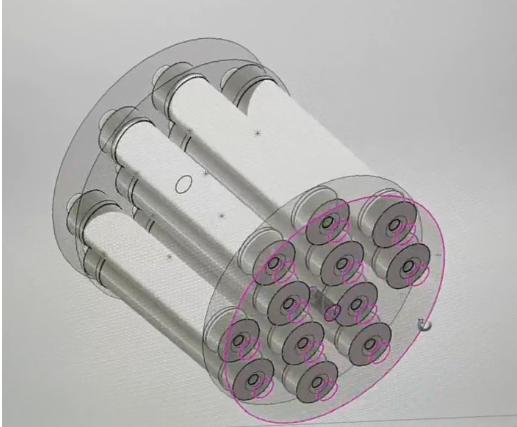
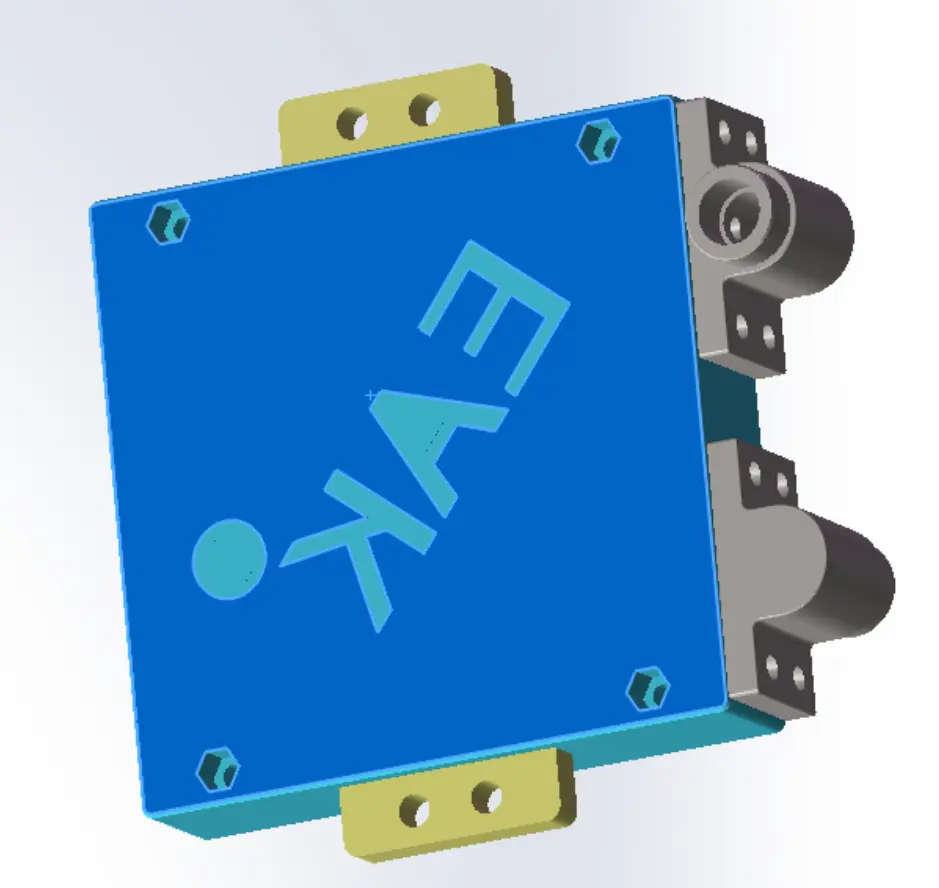
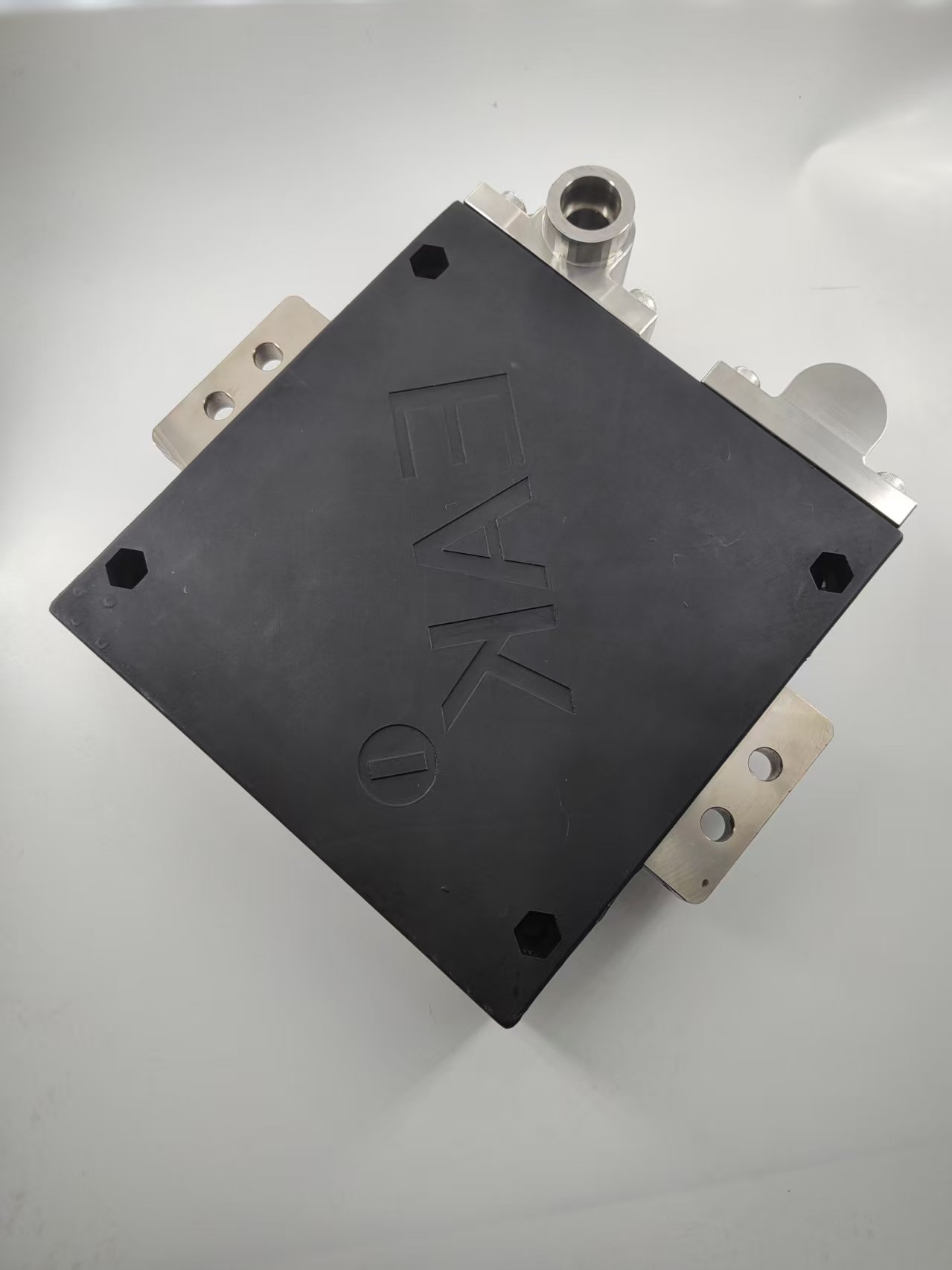
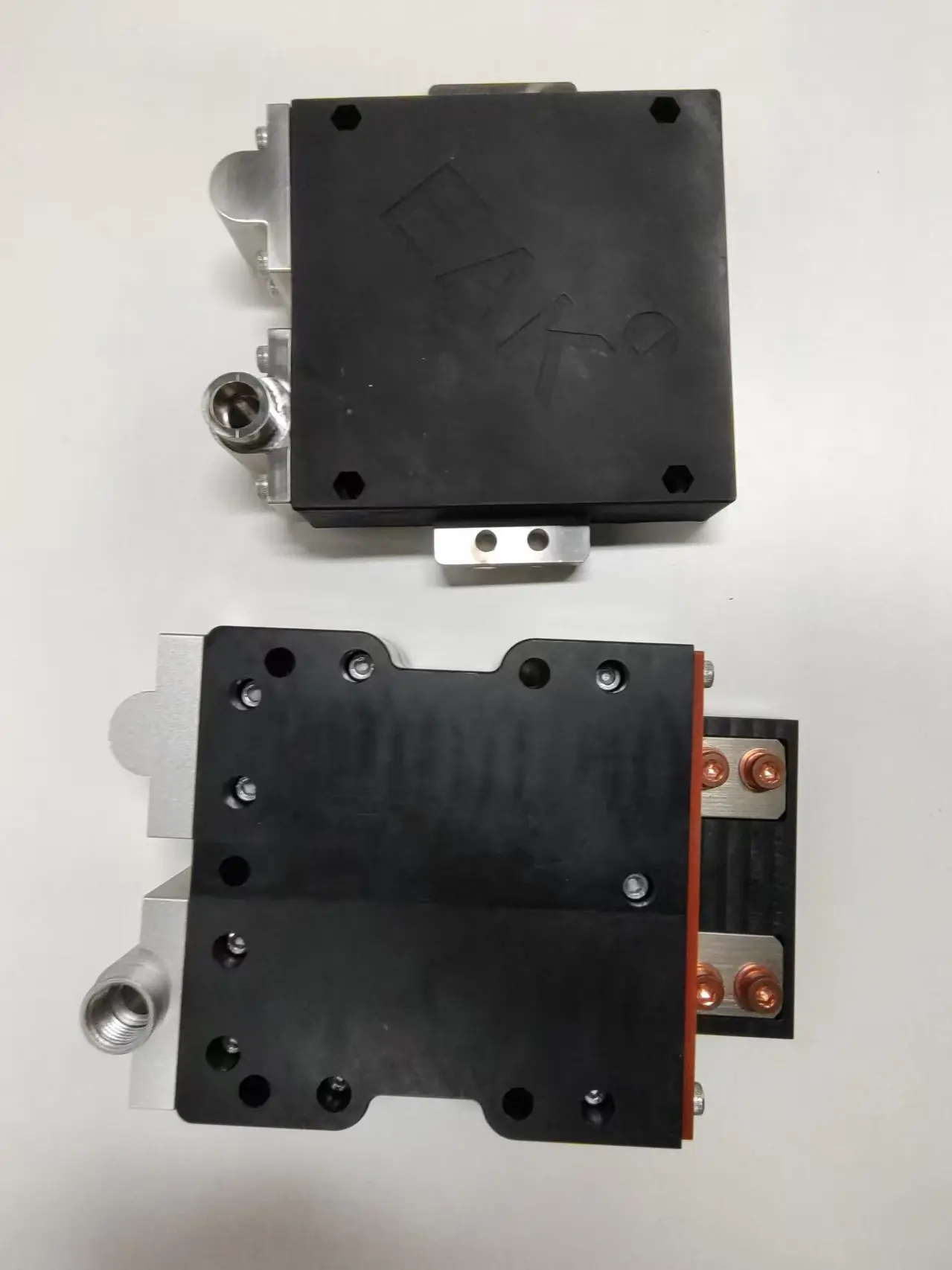
The team deployed multiple rack-mounted liquid-cooled loads, each delivering 300 kW of programmable resistive load in a compact 8U form factor. These liquid-cooled resistors were engineered specifically for data center environments:
- 48V DC input, matching the facility’s native power architecture
- Integrated liquid cooling using the same dielectric fluid as the production servers
- Real-time monitoring of coolant inlet/outlet temperature, flow rate, pressure, and power output
- 5 kW step resolution for precise load simulation
- Full compatibility with standard 19-inch EIA-310 racks and OCP mechanical specs
By chaining three units together, the team simulated a full 900 kW rack load—effectively mimicking a live AI training workload without risking actual hardware.
Results and Benefits
During the 72-hour stress test, the liquid-cooled resistors successfully validated the entire thermal chain:
- The CDU maintained stable flow at 120 L/min per rack with <2°C temperature rise across the loop
- No leaks or thermal hotspots were detected, confirming the integrity of quick-disconnect fittings and cold plates
- Facility PUE remained below 1.08 during testing—demonstrating near-ideal energy efficiency
- Operations staff gained hands-on experience managing high-density liquid-cooled racks before live deployment
Critically, the test uncovered a minor flow imbalance in one branch of the secondary loop, which was corrected before server installation—avoiding potential thermal throttling or downtime post-launch.
Why Liquid-Cooled Resistors Are Essential for MW-Scale Racks
This case underscores why liquid-cooled resistors are no longer optional in modern data centers:
- Thermal fidelity: They replicate the exact heat generation and transfer characteristics of real compute hardware.
- Space and noise efficiency: A 300 kW rack-mounted liquid-cooled load fits in 8U with near-silent operation (<60 dB), unlike bulky, noisy air-cooled alternatives.
- Scalability: Modular designs support everything from 30 kW lab racks to MW-scale validation farms.
- Sustainability: Waste heat can be captured for reuse, supporting net-zero goals.
Looking Ahead
As rack power densities continue climbing—driven by AI accelerators, optical I/O, and chiplet architectures—the role of liquid-cooled resistors will only grow. Future iterations may integrate digital twin interfaces, predictive diagnostics, and support for hybrid AC/DC or high-voltage DC (380V) systems.
For data center operators planning MW-scale deployments, investing in rack-mounted liquid-cooled loads isn’t just about testing—it’s about de-risking billions in infrastructure and ensuring uptime in the AI era.