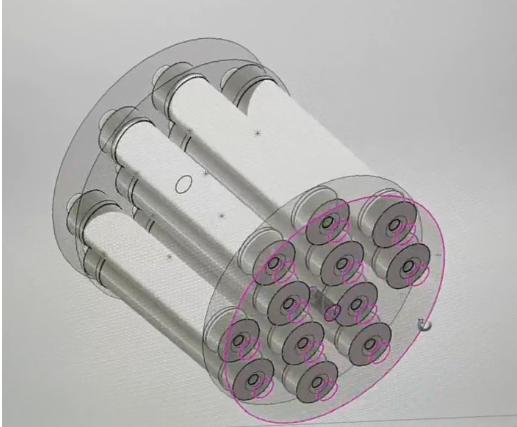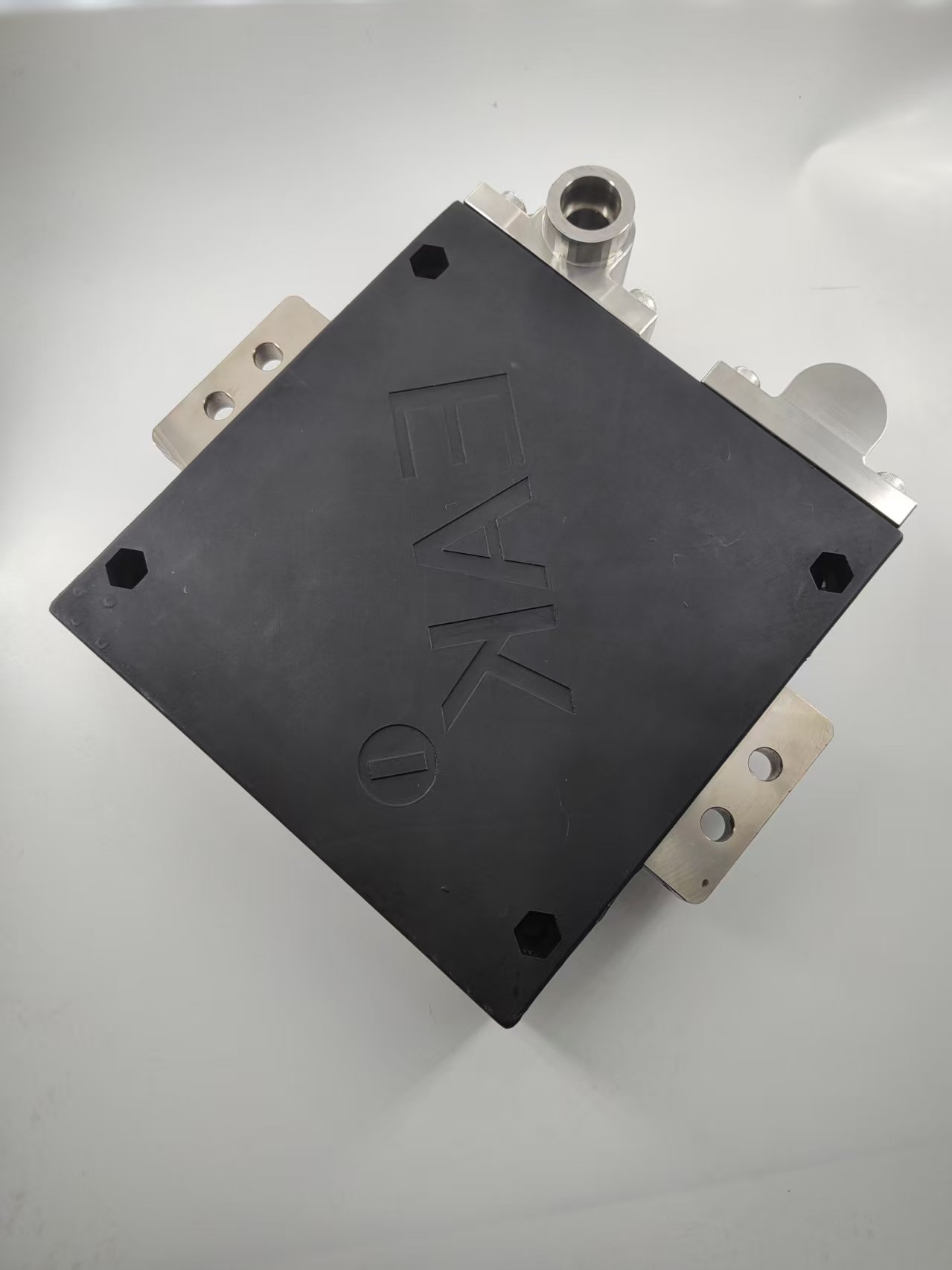
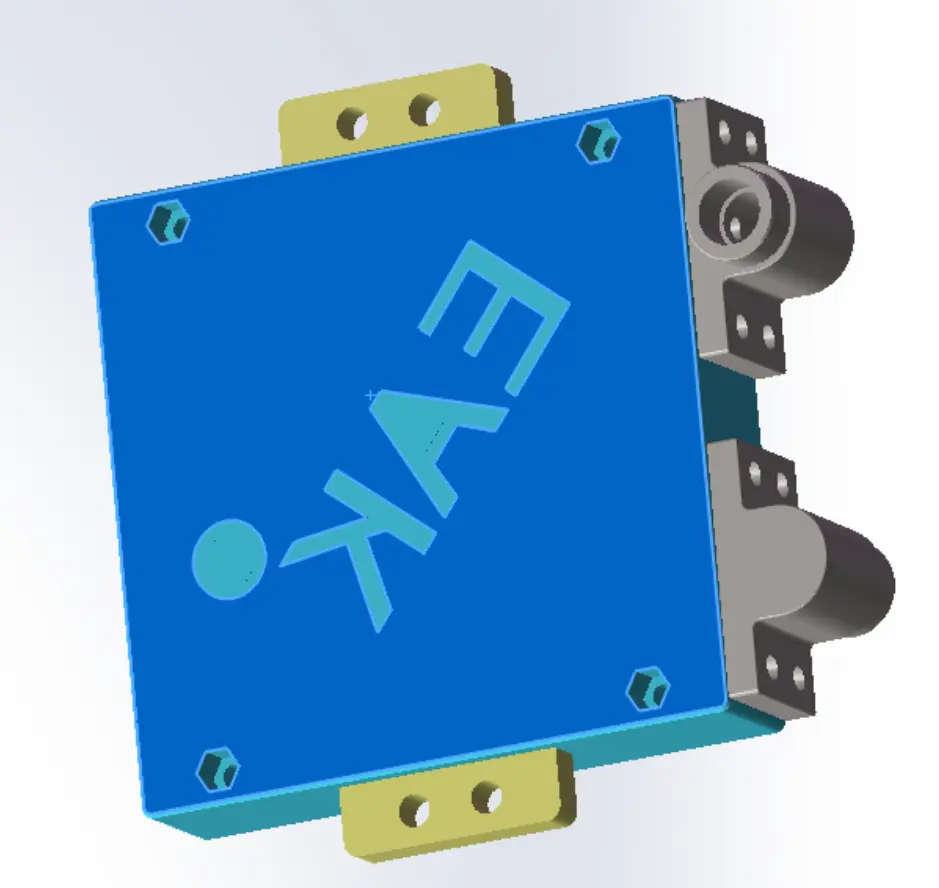

In modern power electronics, managing inrush current during capacitor charging is critical to ensuring system reliability and longevity. This is where charging resistors play a vital role. Designed specifically for controlled charging and discharging of capacitors, these limiting resistors help protect sensitive components from the damaging effects of high initial current surges.
When power systems are first turned on, large capacitors in the DC link or intermediate circuit can draw massive inrush currents. Without proper protection, this surge can damage rectifiers, switches, and even the capacitors themselves. That’s why a well-designed current-limiting resistor is essential — it controls the initial charge rate, allowing the capacitor voltage to rise gradually and safely.
Why Choose High-Power Charging Resistors?
To effectively manage high-energy pulses during startup, charging resistors must be capable of withstanding significant single-pulse energy levels and operating at high rated voltages. Standard resistors often fail under such conditions due to thermal stress or dielectric breakdown. Therefore, specialized resistors designed for high pulse handling capability are required.
One of the most effective solutions for high-power applications is the use of liquid-cooled resistors . These advanced limiting resistors offer superior thermal management by actively dissipating heat through a cooling medium, typically deionized water or glycol. This ensures reliable performance even under repeated high-energy pulses.
The Role of Inductance in Inrush Current Suppression
Interestingly, the inherent inductance of a resistor can also contribute to current suppression. While many applications aim to minimize inductance, in the case of inrush current limiting, a moderate level of inductance helps dampen the initial current spike. This makes certain types of resistors—such as specially wound or liquid-cooled models—even more effective in real-world scenarios.
EAK’s line of liquid-cooled resistors exemplifies this principle. Combining high power dissipation, robust construction, and optimized inductance, these resistors are ideal for industrial motor drives, renewable energy inverters, battery charging systems, and other high-voltage DC applications.
Key Features of EAK Liquid-Cooled Resistors:
- High Single-Pulse Energy Handling : Engineered to withstand extreme energy surges during capacitor charging.
- High Voltage Ratings : Suitable for use in high-voltage power conversion systems.
- Low Thermal Resistance : Ensures efficient heat removal and stable operation.
- Durable and Reliable : Built to last in harsh industrial environments.
- Customizable Configurations : Available in various resistance values and physical dimensions to meet specific application needs.
Applications of Charging Resistors
Charging resistors are widely used across multiple industries, including:
- Industrial Automation : Protecting frequency inverters and servo drives.
- Renewable Energy Systems : Used in solar inverters and wind turbine converters.
- Electric Vehicle Charging Stations : Managing inrush current in onboard and offboard chargers.
- Railway Traction Systems : Safeguarding DC link capacitors in locomotives and metro trains.
- Uninterruptible Power Supplies (UPS) : Ensuring smooth startup without component stress.
Conclusion
In summary, selecting the right charging resistor is crucial for protecting your electrical systems from dangerous inrush currents. For high-performance applications requiring exceptional energy absorption and thermal stability, liquid-cooled resistors are the optimal choice. Whether you’re designing a high-power industrial drive or an EV charging station, integrating a durable and efficient limiting resistor like EAK’s liquid-cooled model ensures long-term reliability and safe operation.
Trust in advanced resistor technology to safeguard your systems, control startup currents, and extend equipment lifespan. Invest in quality charging resistors today for smarter, safer, and more efficient power systems tomorrow.