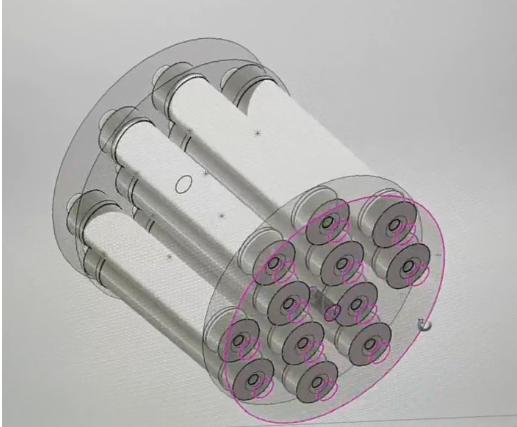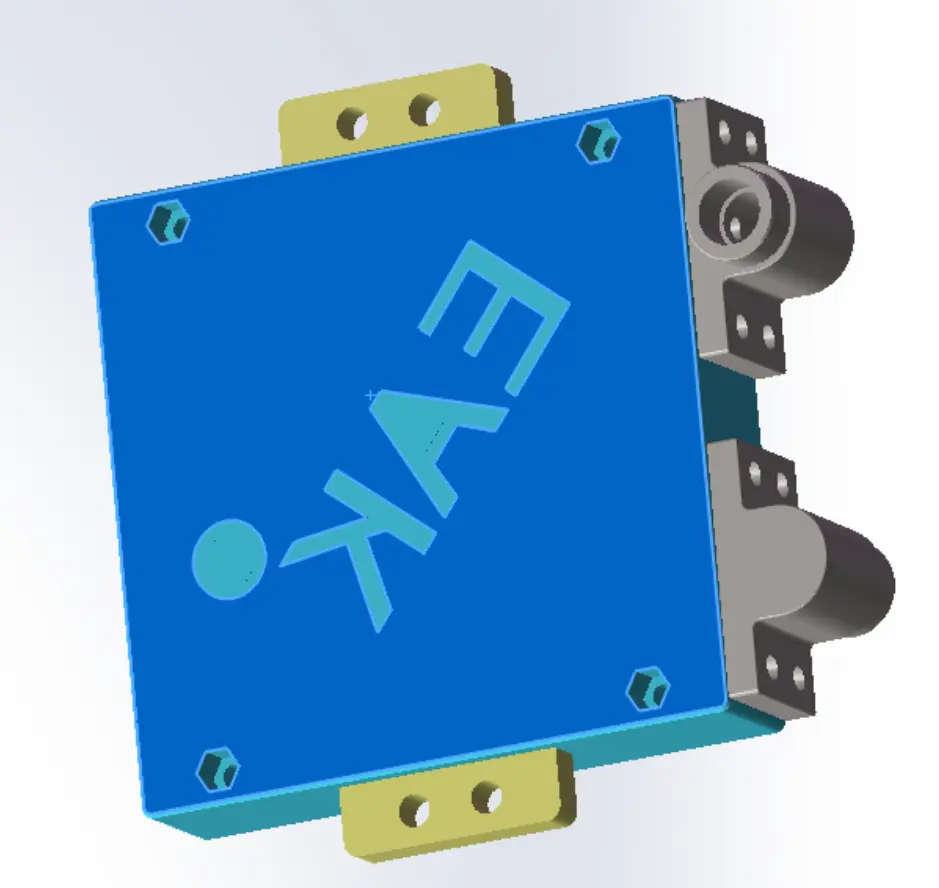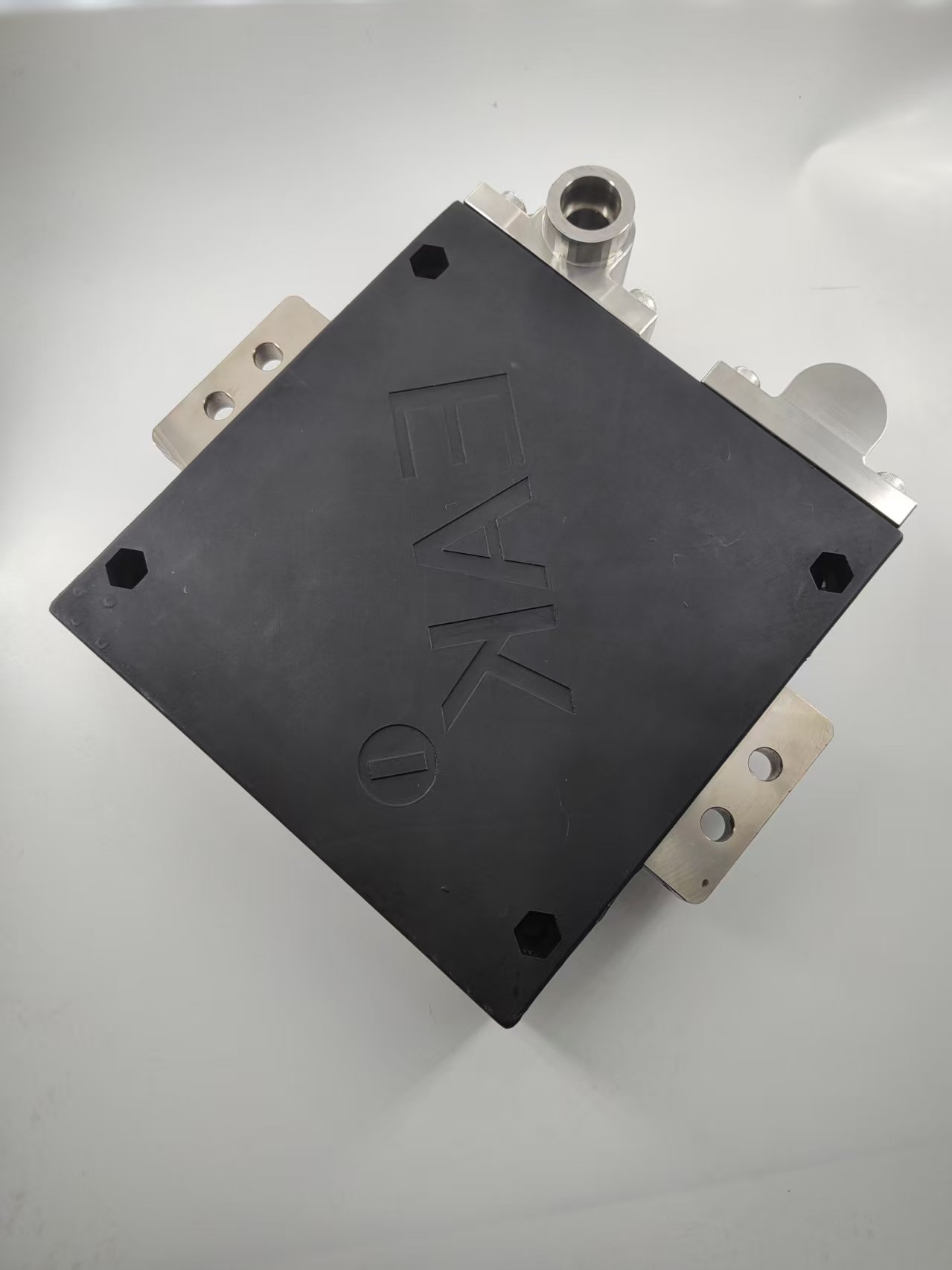
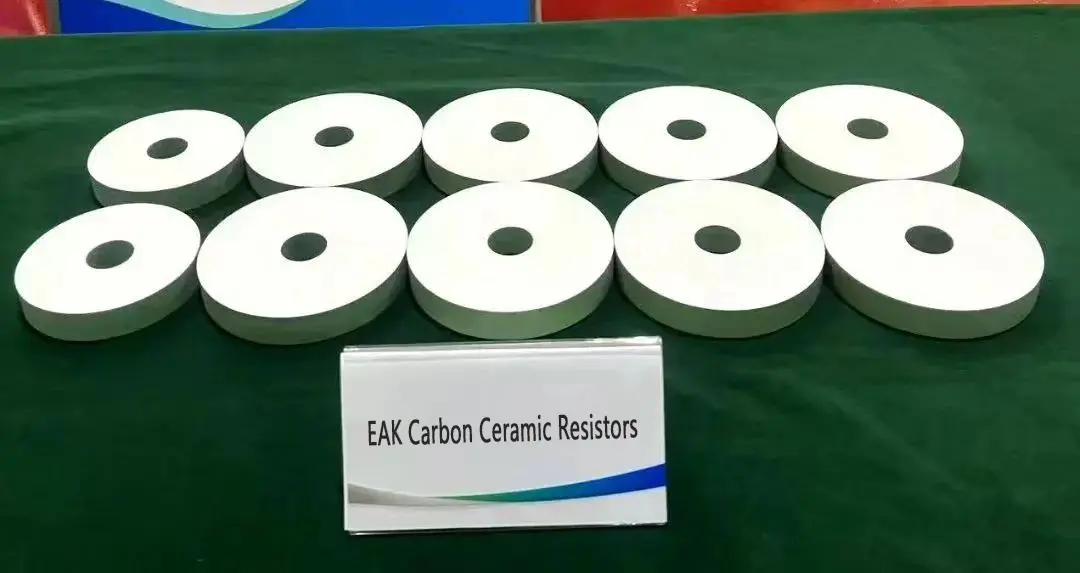

Our High Energy Ceramic Resistors are meticulously designed to deliver exceptional performance in high voltage and high energy applications. These non-inductive ceramic composite resistors are engineered for critical environments such as pulse shaping, clamping, capacitor charging and discharging, and other applications requiring low inductance and extreme energy handling capabilities. Ideal for pulse power systems, these resistors evenly distribute energy across their robust structure, minimizing thermal stress and ensuring long-term reliability even under the most demanding conditions.
 High Energy Ceramic Resistors
Key Features of High Energy Pulse Resistors
- Resistance Value : 75Ω ±20%, composed of five 15Ω ±20% disc resistors.
- Impulse Energy Handling : Capable of withstanding 10kJ pulses every 45 seconds, with infrequent high-energy pulses up to 63kJ (>5 minutes apart).
- Voltage Rating : 12kV @ 1.6s time constant.
- Low Inductance Design : Ensures optimal performance in fast-rise-time and high-frequency pulse applications.
- Enhanced High Voltage Performance : A standard high-temperature silicone coating improves performance in air, while optional configurations optimize operation in gas or liquid dielectric environments.
Applications of Bulk Ceramic Resistors
These ceramic composition resistors are widely used across industries that demand high power pulse resistors , including:
- Pulse power systems for research and industrial applications
- Capacitor discharge circuits in energy storage systems
- High-energy physics experiments
- Medical imaging equipment such as MRI and X-ray machines
- Industrial laser systems requiring precise energy control
Superior Power Dissipation Capabilities
The carbon ceramic disc resistors excel in thermal management, making them ideal for continuous operation in challenging environments:
- In free air, a conservative rule of thumb is 0.25 watts per cm² of exposed surface area. For example, a 50mm disc with both faces and its periphery exposed can dissipate up to 20 watts .
- Higher power dissipation is achievable through conduction cooling by applying an air- or water-cooled heat sink to one or both faces. This adaptability ensures efficient heat dissipation, even in high-power applications.
Why Choose Our Linear Disc Resistors?
Our rod and tube resistors combine durability, precision, and versatility, making them the preferred choice for engineers seeking high energy ceramic resistors that perform reliably under extreme conditions. Whether you need bulk ceramic resistors for industrial applications or specialized solutions for unique environments, our products are designed to meet your needs.
Optimized for Versatility and Reliability
The advanced ceramic composite material used in these resistors ensures consistent performance, even when subjected to repeated high-energy pulses. The uniform energy distribution within the resistor’s structure reduces localized heating, extending the lifespan of the component. Additionally, the optional configurations allow customization for specific operating environments, ensuring optimal performance in air, gas, or liquid dielectrics.
Designed for Engineers, Built for Performance
Engineers across industries trust our high energy pulse resistors for their ability to handle extreme voltages and energy levels without compromising performance. These resistors are not only reliable but also highly customizable, making them suitable for a wide range of applications, from scientific research to industrial manufacturing.
For unparalleled performance in high energy ceramic resistors , trust our cutting-edge technology to deliver consistent results in even the most demanding scenarios.