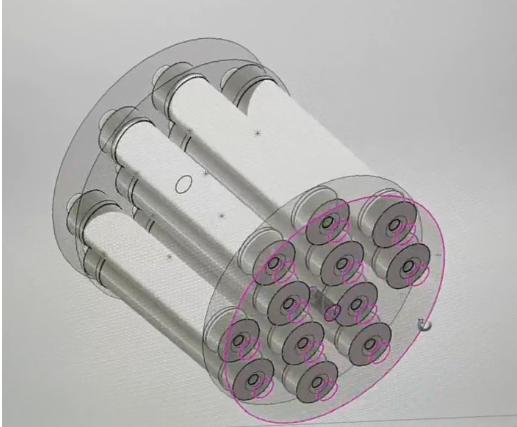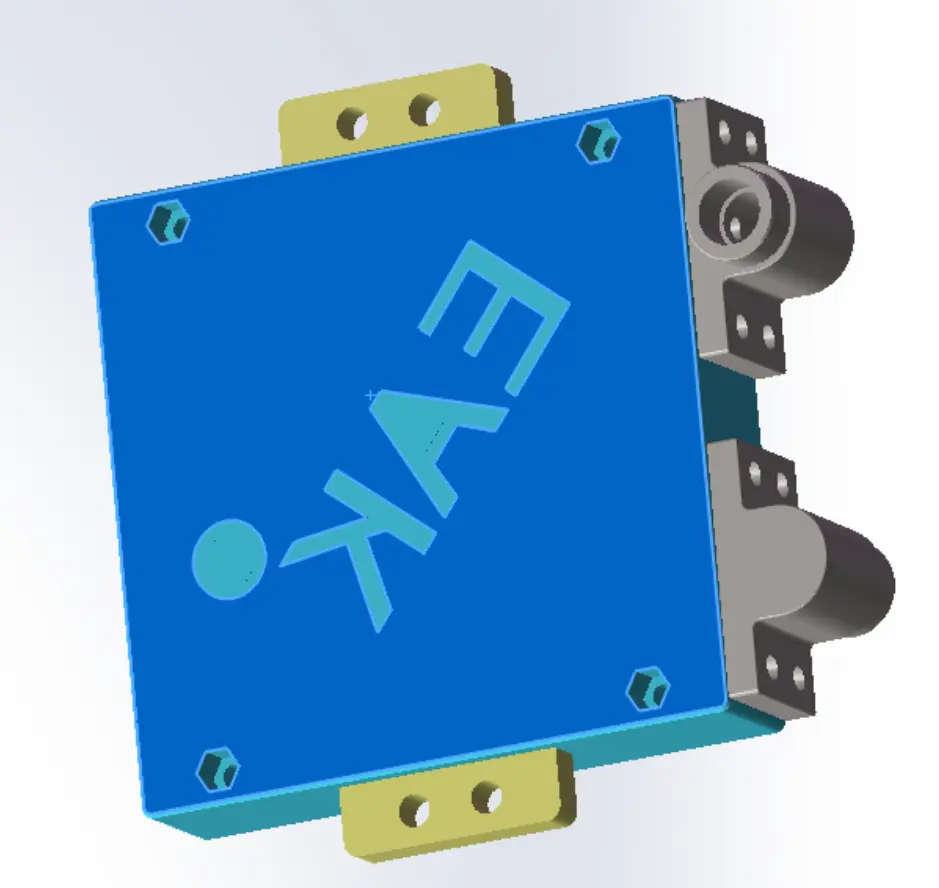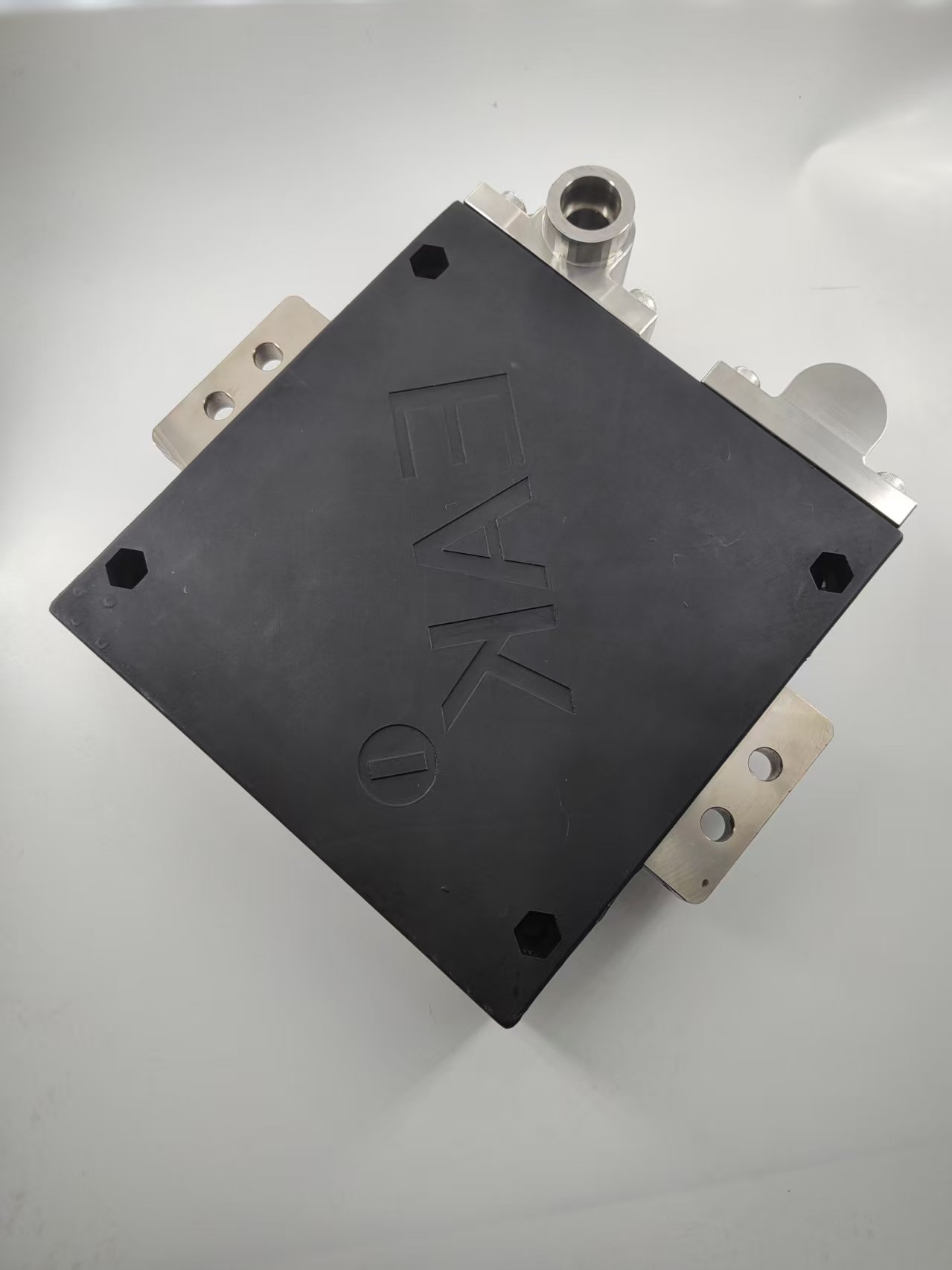
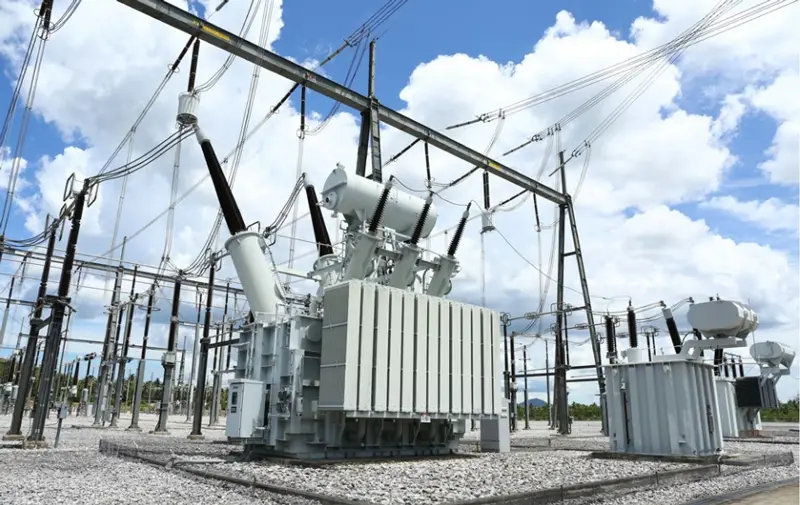

Carbon ceramic resistors are widely used in high-voltage circuit breakers, primarily due to their superior electrical and thermal performance, as well as their important role in electrical protection and control. Below is a detailed introduction to the role of carbon ceramic resistors in high-voltage circuit breakers:
1. Overload Protection Current Limiting: During high-voltage operation, the system may encounter transient overloads or short circuits. Carbon ceramic resistors can limit the current flowing through the circuit breaker by providing additional resistance, thus preventing equipment overload. Heat Generation: When the current is too high, the resistor generates heat due to the Joule heating effect, which helps to quickly identify and isolate faults, ensuring the safety of the system.
2. Energy Absorption Transient Energy Absorption: In cases of current interruption, short circuits, or arcing cessation, carbon ceramic resistors absorb transient energy to prevent voltage spikes from damaging the equipment. Arc Suppression: The occurrence of arcing during circuit breaker switching operations may damage electrical components. Carbon ceramic resistors absorb some of the arc energy, thereby reducing the impact of the arc.
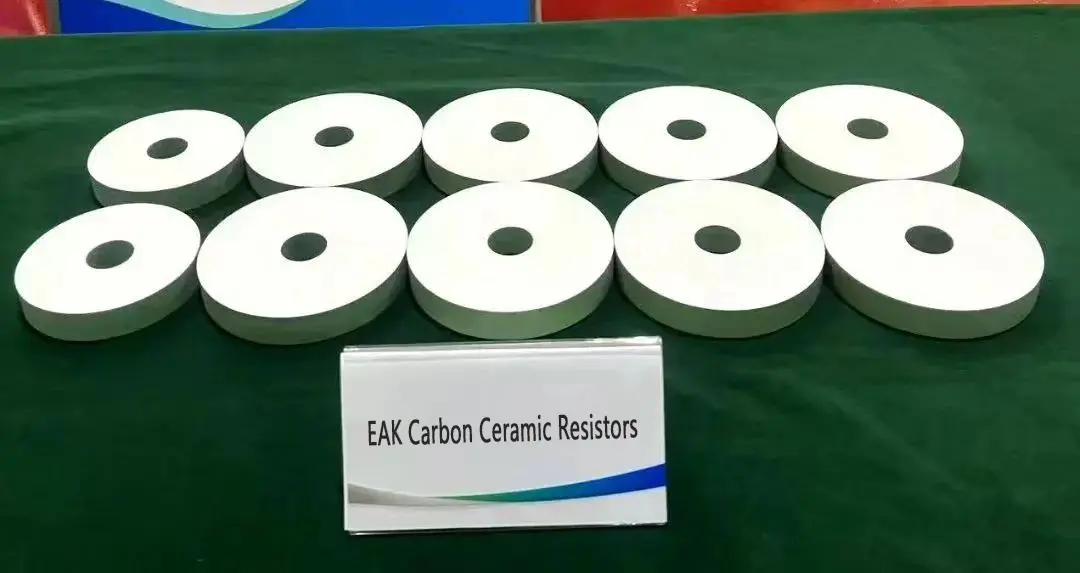 Carbon Ceramic Resistors
3. Temperature Stability Low Temperature Coefficient: Carbon ceramic resistors exhibit good temperature stability, with their resistance values remaining relatively constant in high-temperature environments. This makes them more reliable during operation in high-voltage electrical equipment, maintaining consistent performance. High-Temperature Resistance: Carbon ceramic materials retain excellent performance at high temperatures, capable of withstanding the heat generated during high-voltage operations of circuit breakers.
4. Thermal Management Heat Dissipation: Carbon ceramic resistors possess high thermal conductivity, effectively dissipating heat from the current path, preventing damage caused by overheating. Energy Dispersion: During the operation of high-voltage circuit breakers, carbon ceramic resistors can convert electrical energy into thermal energy and dissipate it, reducing the internal temperature of the circuit breaker and improving overall safety and reliability.
5. Structural and Spatial Efficiency Compact Design: Carbon ceramic resistors are small and lightweight, making them ideal for the space-constrained designs of high-voltage circuit breakers, allowing for tight integration with other components. Manufacturing Flexibility: Due to their material properties, they can be produced in different shapes and sizes to meet specific requirements of circuit breakers.
6. Electrical Insulation Moisture Resistance: Carbon ceramic resistors typically possess good moisture resistance and corrosion resistance, suitable for high-voltage electrical applications in humid or harsh environments. Insulation Properties: Carbon ceramic resistors provide good electrical insulation, preventing short circuits and leakage, ensuring the normal operation of the equipment.
7. Economical Cost-Effectiveness: While carbon ceramic resistors have performance advantages, their production processes are relatively mature, allowing for cost-effective solutions.
Conclusion In summary, carbon ceramic resistors play a critical role in high-voltage circuit breakers. They not only enhance the protection capability and safety of the circuit breakers but also ensure stable operation in various complex environments through their excellent thermal and electrical characteristics. For these reasons, carbon ceramic resistors have become an indispensable component in high-voltage circuit breakers.