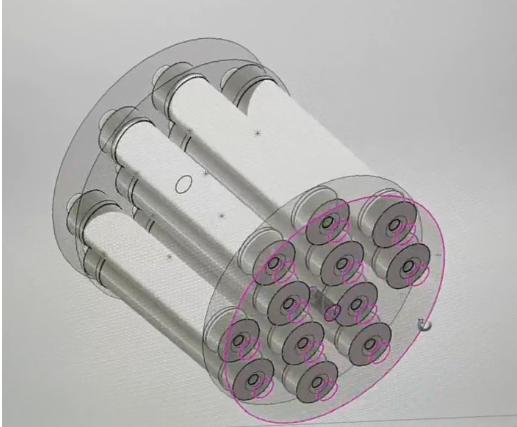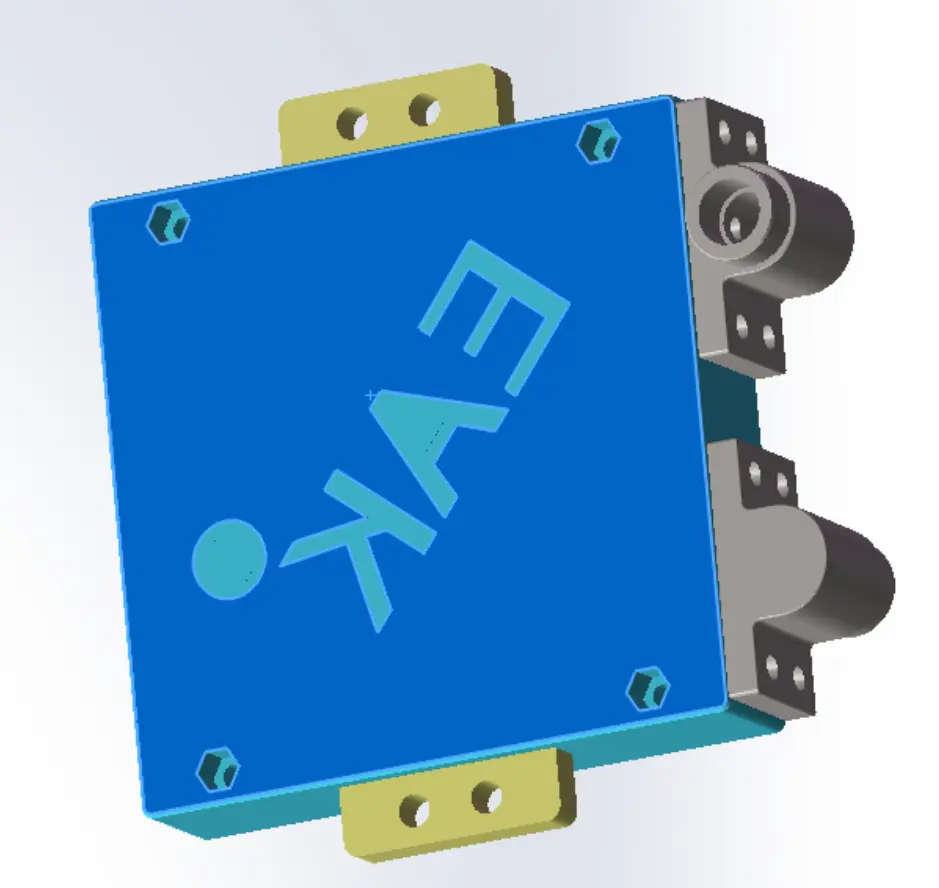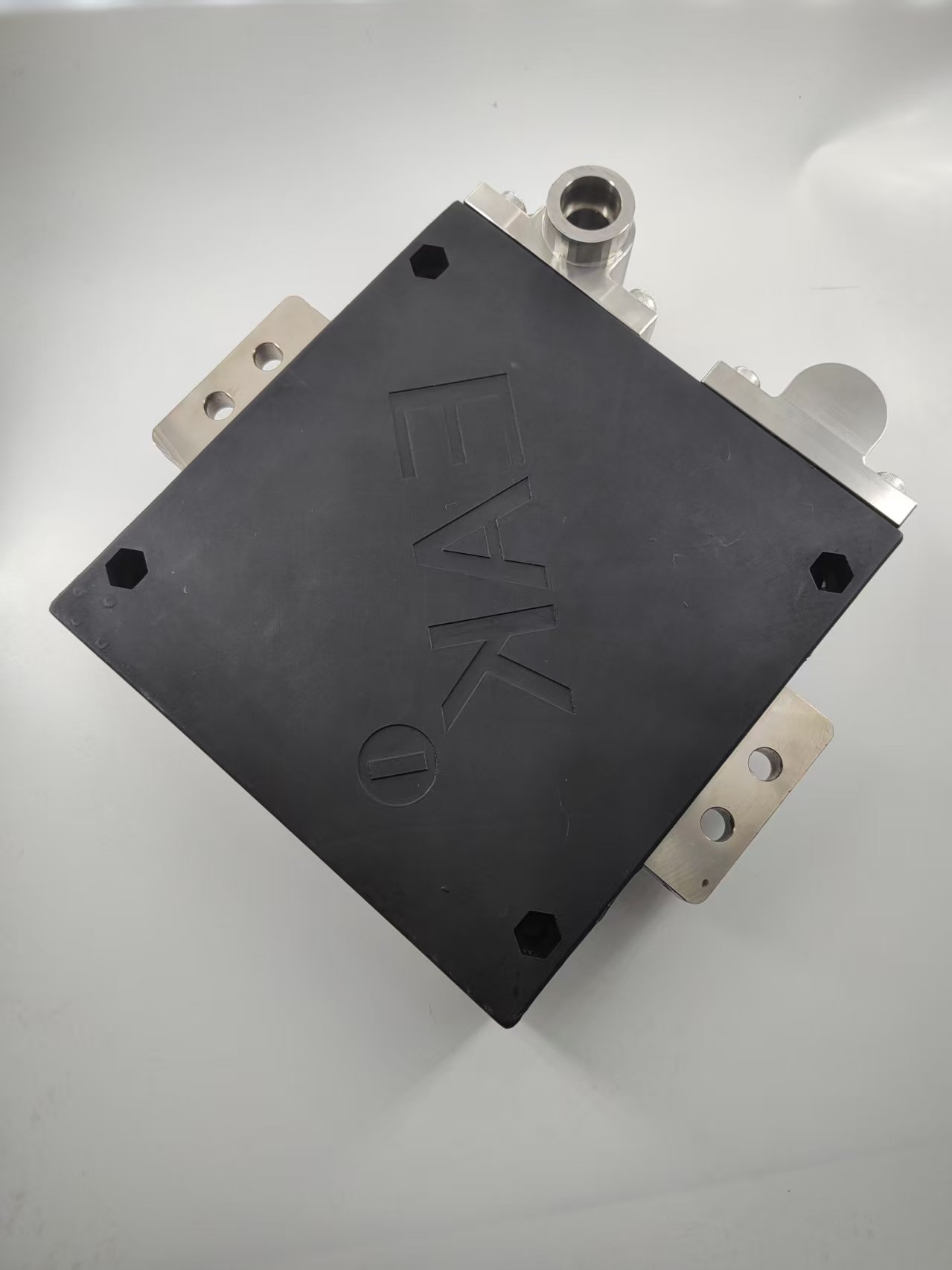
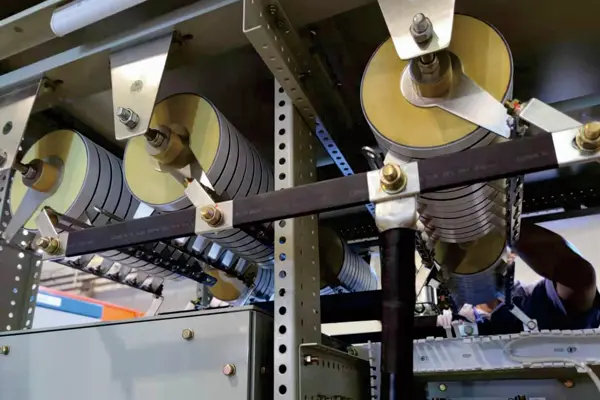

EAK has developed a combined demagnetization technology using zinc oxide and silicon carbide nonlinear resistors, as well as integrated suppression technology for internal and external overvoltage. The combined demagnetization technology addresses the drawbacks of using ZnO alone, such as susceptibility to explosion, the need for series fuses, large size, and high cost. The integrated suppression technology for internal and external overvoltage reduces the suppression voltage to 1.2 times the rated voltage peak, significantly enhancing the protection level, making it widely applicable in high, medium, and low voltage scenarios.
Silicon Carbide Varistors are an intriguing component in the realm of electrical engineering and materials science. These devices serve as key elements in surge protection and voltage clamping applications, contributing significantly to the reliability and safety of electrical systems. As technology continues to evolve, the demand for efficient and robust electronic components has surged, placing Silicon Carbide Varistors at the forefront of innovation.
Silicon carbide (SiC) is a semiconductor material that offers a range of notable advantages over traditional silicon, particularly in high-voltage and high-temperature environments. Its wide bandgap allows Silicon Carbide Varistors to operate at greater voltages without succumbing to electrical breakdown. This characteristic makes them particularly suitable for use in various industrial applications where transient voltage suppression is critical.
The operation principle behind Silicon Carbide Varistors hinges on their ability to absorb excess energy during voltage spikes, thereby protecting sensitive electronic components from damage. In practical terms, they function as nonlinear resistors that exhibit a marked change in resistance when subjected to varying voltage levels. This unique property enables them to mitigate electromagnetic interference (EMI) and safeguard circuits against potential disruptions caused by surges.
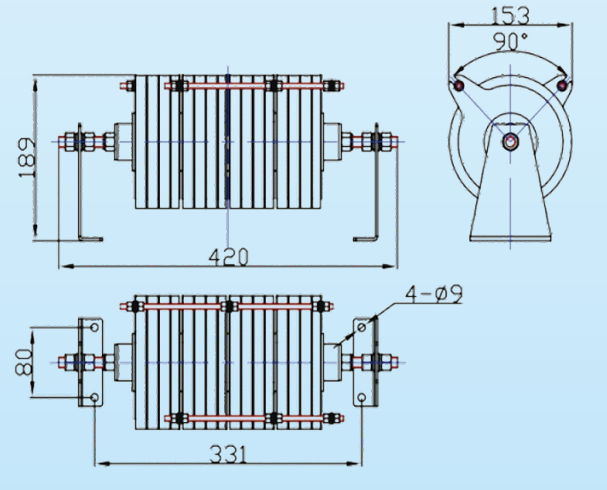
As industries increasingly integrate sophisticated electronic systems into their operations, the role of devices like Silicon Carbide Varistors becomes ever more vital. They find applications across numerous sectors, including automotive, telecommunications, renewable energy systems, and consumer electronics. Their resilience under extreme conditions enhances their versatility, rendering them indispensable for modern electrical infrastructure.
Moreover, ongoing advancements in processing techniques are paving the way for further enhancements in the performance characteristics of Silicon Carbide Varistors. Researchers are ceaselessly exploring ways to improve their energy absorption capabilities and response times while minimizing leakage currents—a vital aspect in ensuring efficiency in high-pressure environments.
Mechanism of thermal breakdown formation:
The parallel ZnO resistor valve pieces or a single ZnO valve piece can be equivalently represented by the circuit shown below:
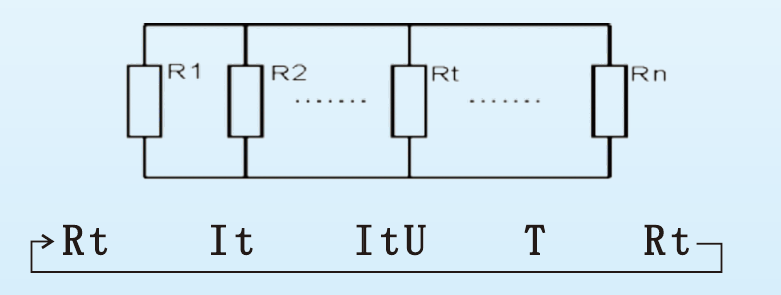
As shown in the figure, when the resistance \( R_t \) at a certain point inside a branch or valve piece is small, the nonlinear ZnO resistor exhibits a volt-ampere hard characteristic, meaning that the current can sharply increase while the voltage remains constant. Therefore, as \( I_t \) increases, the energy absorbed also increases, causing the temperature \( T \) at \( R_t \) to rise. Under the influence of the negative resistance characteristic, \( R_t \) becomes even smaller, leading to a positive feedback avalanche.
When the performance of a certain branch in the parallel path of the nonlinear ZnO resistor is weak, it is prone to branch breakdown due to the combined effects of the negative resistance characteristic and the volt-ampere hard characteristic. Additionally, if there are defects at certain points within the nonlinear ZnO resistor valve piece, it can easily lead to rupture under the combined effects of the negative resistance characteristic and the volt-ampere hard characteristic.
In summary, Silicon Carbide Varistors epitomize a critical intersection between material science and electrical engineering. Their ability to handle surges effectively while maintaining reliability positions them as essential components as industries strive for growth amidst increasingly complex electronic demands. As technology progresses and demands increase for more durable solutions, Silicon Carbide Varistors are poised to play a crucial role shaping the future of electronics.